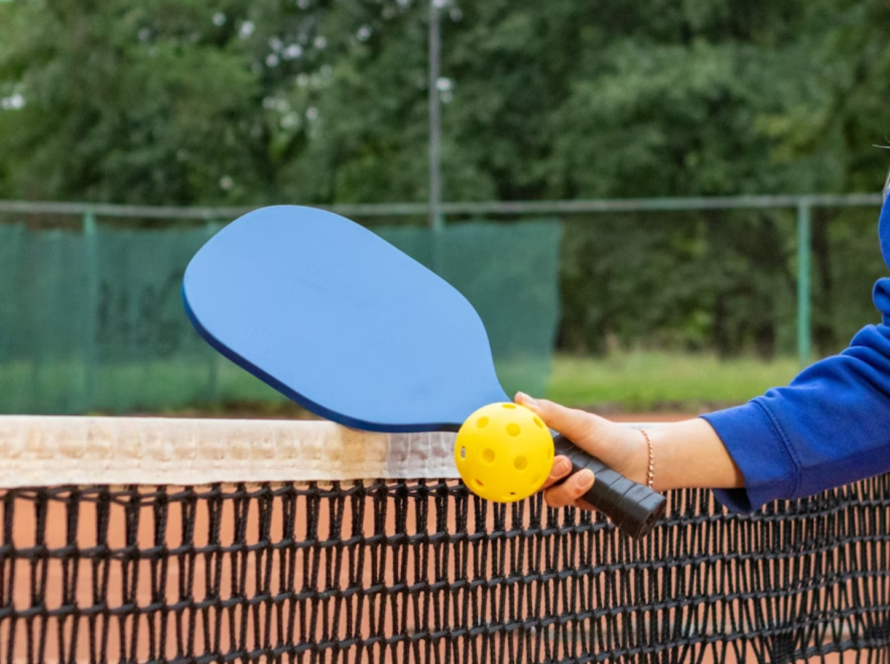
If you’ve played pickleball on a summer afternoon, you know the court can feel like a griddle. Hot courts don’t just feel uncomfortable—they change how your shoes perform. Feet swell, sweat builds, and grip can fade right when you need it most.
The good news: the right hot-climate pickleball shoes can keep your feet cooler, reduce blisters, and maintain traction when temperatures spike. This guide breaks down what to look for, the best 2026 models, and easy maintenance and fit tips so you can play longer and recover faster.

Why Hot-Climate Pickleball Shoes Matter
Hot weather isn’t just a comfort issue—it’s a performance and injury-prevention issue.
- Court surfaces can exceed 130°F (54°C) on summer asphalt. In-shoe temperatures can rise 6–9°C in 30 minutes in poorly ventilated shoes.
- Heat makes feet swell 2–5%, which can loosen laces, push toes forward, flatten arches, and cause blisters.
- Sweat saturation increases slip and shear forces and speeds up fungal/bacterial growth after a couple hours in 86°F+ (30°C+) conditions.
- Some outsoles soften (“smear”) around 140°F (60°C), losing hardness and up to ~18% traction.
In summer, you need shoes that breathe, manage moisture, keep structure when soaked with sweat, and use heat-stable rubber.
What to Look For in Summer Pickleball Shoes
Breathable uppers that still support
- Open-engineered mesh or micro-perforated synthetics let heat and moisture escape.
- PU/KPU fuse or 3D-printed overlays add durability and toe-drag protection without blocking airflow like solid leather.
- Knit collars hug the ankle without extra hot foam.
Look for terms like “engineered mesh,” “HEAT.RDY,” “Airflow Weave,” or “GO KNIT” in product descriptions.
Internal climate control (the inside matters)
- Moisture-wicking liners such as Ortholite or “Endofit”-style sleeves reduce clamminess.
- Antimicrobial finishes (e.g., Polygiene, Microban) help suppress odor and athlete’s foot.
- Open-cell PU or PU-EVA insoles breathe better than dense EVA. Replace insoles every 60–90 court hours, especially if you sweat heavily.
Cushioning and stability that don’t get mushy
- Choose resilient foams designed to hold up in heat: Floatride Energy, FuelCell, FLYTEFOAM, HyperBurst, Lightstrike Pro.
- Partial plates or midfoot shanks (TPU/graphite) add torsional rigidity and help when sweat reduces shoe-foot friction.
Heat-stable, non-marking outsoles
- Rubber compounds like NDurance (New Balance), AHAR+ (ASICS), Michelin (Babolat), and Goodyear (Skechers) are rated to maintain hardness at higher temps.
- Lateral drag guards, toe caps, and small outrigger flares protect against molten-asphalt abrasion.
Fit and lacing for swollen feet
- Try on late in the day (when feet are at their largest); consider a half size up for summer.
- Favor lacing systems with extra eyelets or adjustable straps to re-tighten mid-match. Some models even use Boa-style dials.
- Bring the socks you’ll actually play in when sizing.
Best Hot-Climate Pickleball Shoes in 2026
Below are standout models with strong lab ventilation scores (≥8/10) and heat-resilient construction. Pick based on your fit preferences and play style.
Nike Zoom GP Challenge 1
- Why it’s great in heat: Multi-layer “Airflow Weave” mesh; forefoot Zoom Air integrated into the strobel for pop that doesn’t turn mushy.
- Outsole: Durable, court-ready rubber with robust toe-drag protection.
- Weight: 12.0 oz (Men’s US 9)
- Fit: Medium/narrow; secure heel and midfoot.
- Best for: Players wanting a locked-in ride with quick first steps.
Adidas Cybersonic
- Why it’s great in heat: HEAT.RDY ventilated upper; Lightstrike Pro midsole stays responsive when hot.
- Outsole: Grippy, heat-tolerant rubber for hard courts.
- Weight: 11.4 oz
- Fit: True-to-size, medium volume.
- Best for: All-court movers who value light, cool-feeling agility.
Skechers Viper Court Pro V2
- Why it’s great in heat: GO KNIT 2.0 one-piece mesh upper breathes well; Goodyear rubber maintains hardness in high temps.
- Outsole: Outdoor-friendly traction; non-marking for indoor use.
- Weight: 10.6 oz
- Fit: Roomy toe box; available in wide sizes.
- Best for: Wide feet or bunions; players who want comfort and ventilation under budget.
ASICS Gel-Resolution 9
- Why it’s great in heat: Breathable upper with Dynawrap 2.0 for midfoot lockdown; FF/FLYTEFOAM compound resists heat softening.
- Outsole: AHAR+ for heat durability.
- Weight: 12.3 oz
- Fit: Medium; high-arch friendly with room for orthotics.
- Best for: Stability-seekers and toe-draggers who still want airflow.
Wilson Rush Pro Lite
- Why it’s great in heat: All-mesh upper with Inner-Fit sleeve wicks well and keeps the foot centered.
- Outsole: Duralast HD for summer hard courts.
- Weight: 11.0 oz
- Fit: Generous forefoot; comfortable straight out of the box.
- Best for: Value-minded players who prioritize breathability and comfort.
K-Swiss Hypercourt Express 2 HB
- Why it’s great in heat: Surgelite mesh upper breathes; Durawrap Flex overlay adds durability without trapping heat.
- Outsole: Outdoor herringbone grip that holds up in heat.
- Weight: 11.7 oz
- Fit: Broad/forgiving; popular with wider feet.
- Best for: Comfort-first players and doubles specialists who park at the kitchen line.
Babolat Jet Mach 3
- Why it’s great in heat: Matryx EVO Kevlar/PA mesh is both supportive and airy; Ortholite X40 insole runs cooler.
- Outsole: Michelin rubber remains stable at high temps.
- Weight: 10.2 oz
- Fit: Snug/precision fit.
- Best for: Speed-oriented players who like a fast, locked-in feel.
If you also play indoors, consider a second pair with a gum-rubber outsole to preserve grip and keep outdoor grit off indoor courts.
Often-Missed Factors That Keep Feet Cooler
- Socks matter: Thin synthetic or merino-blend crews (e.g., Balega Ultralight, Swiftwick Flite XT) move moisture ~30% faster than cotton. Double-layer blister socks can cut friction significantly.
- Color counts: Dark uppers can absorb more heat. Choose white or bright hues for midday play.
- Rotate pairs: Alternate shoes every 48 hours so foam fully dries and rebounds.
- Cooling hacks: Use a small USB fan or silica-pack shoe trees between games to drop interior temps a few degrees.
- Antiperspirant: Apply a 20% aluminum chloride antiperspirant to soles the night before to reduce sweat volume.
Care and Maintenance for Hot-Weather Shoes
- After play, rinse uppers with cool water to flush salt crystals.
- Pat dry, then stuff with recycled paper or use cedar inserts. Avoid direct sun, which can weaken adhesives.
- Monthly, remove insoles; hand-wash with mild soap; air-dry for 48 hours.
- Inspect outsole edges and toe-drag zones regularly; use a liquid rubber patch if thinning is under 1 mm.
Quick Fixes for Common Fit/Health Scenarios
- High arches + heat swelling: Choose models that accept drop-in orthotics (e.g., ASICS Gel-Resolution, New Balance 1006) and use the extra eyelet for a runner’s loop.
- Bunions or wide forefoot: Skechers Viper Court Pro V2, K-Swiss Express Light in wide (2E), FitVille Amadeus Court.
- Summer plantar fasciitis flare: Consider a slightly heavier, more structured shoe with a high heel stack and TPU shank (e.g., Diadora Blushield Torneo 2).
- Frequent toe draggers: Look for reinforced toe bumpers and drag guards (e.g., Yonex Eclipsion 5, Nike GP Challenge’s Drag-Guard).
10-Second Buying Checklist
- Engineered mesh or clearly perforated upper.
- Moisture-wicking, antimicrobial liner.
- Heat-stable, non-marking rubber with toe-drag protection.
- Responsive midsole that won’t bottom out when hot.
- Fit planned for foot swell: try on late day; bring your game socks.
- Extra eyelets or adjustable straps for mid-match re-tightening.
Frequently Asked Questions
Q1: Can I just play in running shoes in hot weather?
A: Not ideal. Running shoes are built for forward motion and use softer rubber that wears and can smear on hot courts. Court shoes offer lateral support and heat-tolerant outsoles.
Q2: Do I need separate indoor and outdoor pairs?
A: If you regularly play on indoor rubberized courts, yes. A dedicated gum-rubber outsole preserves grip and keeps outdoor debris off indoor surfaces.
Q3: How long will shoes last in 95°F+ weather?
A: Expect roughly 45–60 outdoor hours. Heat accelerates outsole wear, so check drag zones every 10 hours.
Q4: Should I size up for summer?
A: Often a half size up helps. Try on late in the day with your match socks, and use the extra eyelet to fine-tune lockdown.
Q5: How do I prevent blisters in the heat?
A: Combine breathable shoes with thin synthetic or merino socks, consider double-layer blister socks, keep nails trimmed, and re-tighten laces after the first game when sweat builds.
Conclusion
Think of heat as a second opponent. Choose pickleball shoes that fight back with airflow, sweat control, and heat-stable rubber, and you’ll stay quicker on your feet and avoid mid-match hot spots. Start with the shortlist above, try on late in the day with your game socks, and rotate pairs for faster drying.
Ready to upgrade? Your knees and feet will thank you.