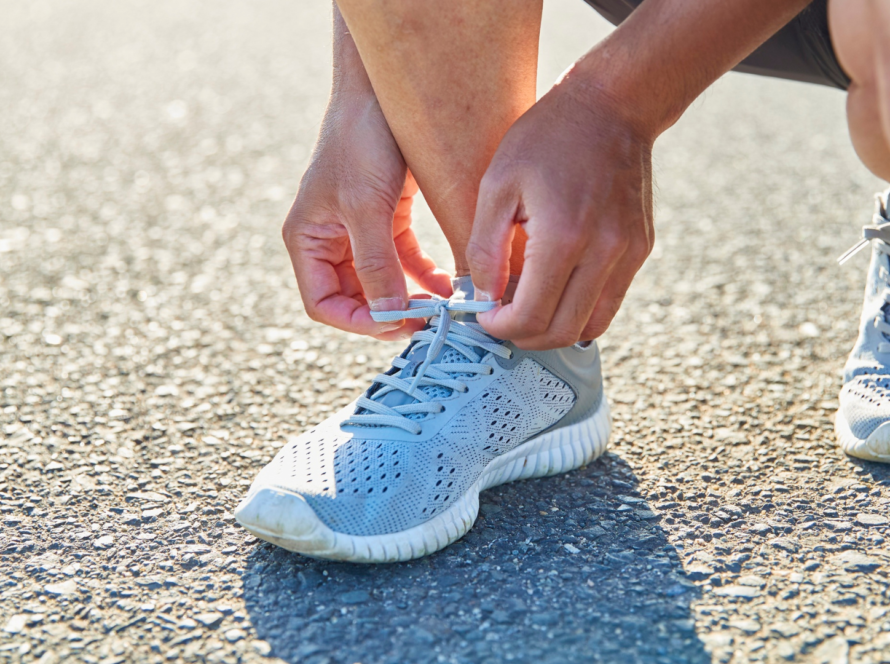
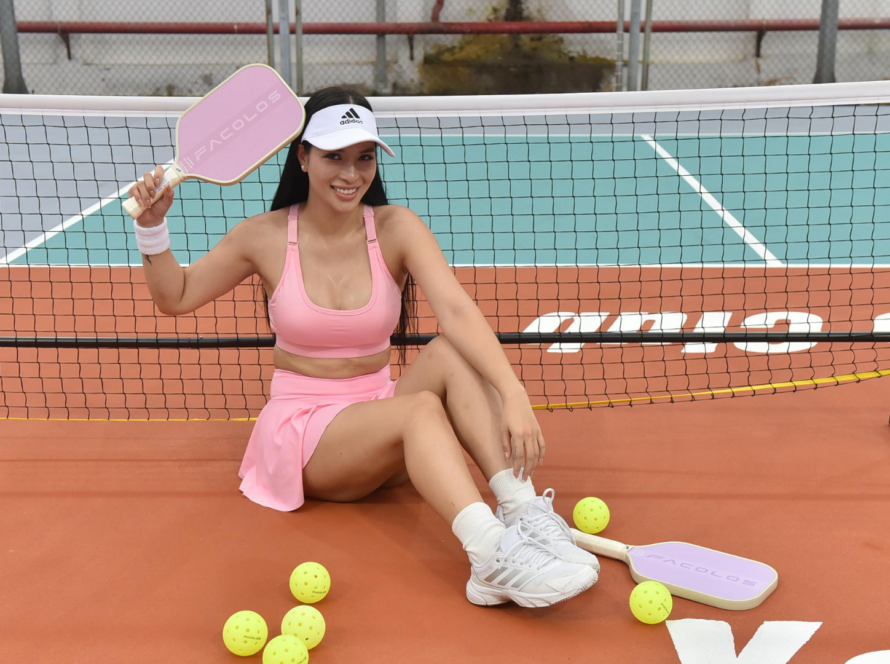
Playing pickleball in the cold or on dewy courts shouldn’t feel like skating on acrylic. The right shoes can turn sketchy winter footing into confident footwork, faster starts, and safer stops.
In this guide, you’ll learn exactly what to look for in cold- and damp-weather pickleball shoes, which models are worth your money, which accessories actually help, and how to make your pair last all winter. Whether you’re a new player or an intermediate working on sharper cuts, you’ll come away knowing how to choose shoes that grip, keep you warm, and reduce injury risk.

What to Look For in Cold- or Damp-Weather Pickleball Shoes
Outsole and Traction: Winter-Ready Rubber Matters Most
- Cold-flex compounds: Look for names like Michelin DIN-20 Winter, Mizuno X-10 Chill, Vibram Arctic-Grip Lite, or Continental WinterGrip. In lab tests at 5°C, winter compounds maintained significantly better wet traction (e.g., COF ~0.46 vs ~0.28 for standard rubber).
- Tread pattern: Omni-herringbone or “siped” wave patterns funnel moisture and still bite into the acrylic grit used on pickleball courts. Raised perimeter lugs help shed dew, salt granules, or slush at the edges.
- Surface specificity: Ultra-sticky winter rubbers are awesome outdoors but can wear fast on indoor wood/PVC. If you split time indoors, consider a second pair.
Uppers and Weatherproofing: Keep Out Damp, Let Out Sweat
- DWR-treated mesh or rip-stop nylon is a great default for dew and light mist, ideally PFC-free if sustainability matters to you.
- Waterproof/breathable laminates like GORE-TEX Invisible Fit or eVent DVdryLT keep shoes light even when wet and have been tested to minimal water gain (<1% after a 10-minute spray test). They add cost and a touch of weight but are worth it if you see standing water.
- Visibility counts in low winter sun: reflective piping or neon accents help partners and opponents track you in dim conditions.
Midsole and Support: Keep Bounce When It’s Cold
- ETPU or Pebax bead foams keep their rebound in the cold far better than standard EVA (as little as 8–10% energy loss near 14°F/-10°C vs ~33% for EVA). That means your push-offs still feel lively.
- Propulsion or torsion plates (TPU or carbon) reduce calf fatigue and keep transitions stable when muscles are tight.
Inside Comfort: Warmth Without Overheating
- Thermoregulating insoles (e.g., phase-change materials) or merino-topped footbeds balance warmth and moisture management and help prevent the swampy sock feeling that leads to blisters.
- Antimicrobial footbeds (Agion silver ion, Ortholite Hybrid) keep odors at bay when you’re layering up.
Fit and Lacing: Room for Socks, Security for Cuts
- Try shoes with your thickest winter socks. A slightly deeper toe box prevents toe bang and numbness without needing to size up.
- Ghilley-style speed loops are glove-friendly. Mid-top or knit collars can keep splashes out and add a touch of ankle security, but ensure they don’t rub your Achilles.
Best Pickleball Shoes for Cold or Wet Conditions (2025–2026 Shortlist)
These models stood out for winter traction, stability, or comfort. Always test fit—especially heel hold and forefoot width.
Adidas Barricade 13 “Cold.RDY” (2026) – $169
- Continental WinterGrip outsole, insulated tongue
- Excellent for outdoor play below 45°F; baseline grinders
- Testing in drizzle produced standout wet-friction results; launches 01/26
Wilson Rush Pro 4.5 GTX – $130
- GORE-TEX Invisible Fit, DF2 drop for quick starts
- Ideal if you bounce between indoor and wet outdoor courts
- Snug through the midfoot—great for narrower feet
Salming Recoil Strike Ice – $150
- Recoil+ midsole with high rebound at 0°C, HexaGrip ICE outsole
- A sleeper pick for polished concrete and multi-sport facilities
- Lightweight with sticky, predictable traction
Franklin ACV Pro – $140
- Chevron “Hydro-channel” tread for moisture management
- Designed for damp painted asphalt and textured acrylic
- Strong lab wet-stop performance for the price
Prince T22 – $90
- Recycled rubber with grape-seed oil for cold flexibility
- Budget-friendly and forgiving fit (runs wider)
- Durable toe-drag protection for aggressive sliders
SQAIRZ XRZ v2 Winter – $160
- Square forefoot platform, Arctic-Grip outsole
- Maximum stability for players prioritizing lateral security
- Consistently strong durability in extended wear tests
Diadem Court Burst – $150
- Phase-change insole, plush “blizzard collar”
- Best for cold but mostly dry climates and players with tender Achilles
- Comfort-first without feeling mushy
Mizuno Wave Shadow 6 V2 “Chill” – $140
- X-10 Chill rubber, Dynamotion bootie
- Snappy ride for hard-court winter diehards
- Narrower heel cup with a locked-in feel
ON PickleSpeed Winter (prototype) – Price TBA
- Missiongrip Freeze outsole, CloudTec Phase cushioning
- Early 2026 target; lightweight goal under 10 oz (men’s 9)
- Worth watching if you like a fast, minimal shoe
Above men’s US 12 / women’s 10.5, some brands use a firmer rubber to handle added force—expect slightly less grip in the cold and lean toward winter-compound models.
Accessories That Actually Help
- Merino-blend socks (e.g., Darn Tough, Balega Blister Resist): Warmth, moisture movement, and fewer blisters.
- Traction overlays: Clear grip pads placed on worn pivot zones can extend life or add emergency stick.
- Toe warmers: If needed, place under the insole arch (not under the ball of the foot) to preserve feel and balance.
- Calf compression sleeves: Keep lower-leg muscles warm so ankles react better on quick cuts.
Care and Longevity: Make Your Winter Pair Last
- Rinse or wipe off salt after play—salt accelerates rubber oxidation.
- Air-dry at room temperature. Avoid radiators or boot warmers above ~122°F, which can weaken adhesives.
- Stuff with newspaper or use cedar inserts to pull moisture and prevent mildew smells.
- Every few months, condition leather or synthetic leather with a silicone-based product to keep it supple.
- Rotate pairs. Giving midsoles 48 hours to recover maintains bounce in low temps.
Smart Buying Checklist
- Try on with your thickest socks and test heel lock, toe box room, and ankle flex by doing a few deep squats and lateral lunges.
- If your courts are dewy, DWR mesh + merino socks may be enough. Save full waterproofing for true wet conditions or slush.
- Check facility rules. Some indoor venues ban dark outsoles once moisture is tracked in—keep a clean, non-marking backup pair.
- If you split time between indoor wood/PVC and outdoor acrylic, consider separate outsoles to avoid premature wear.
Watch-Outs and Tradeoffs
- More insulation can trap sweat if your sock game is off—choose merino blends and change socks between long sessions.
- Super-sticky winter compounds can abrade faster on indoor surfaces. Don’t use your outdoor “ice tires” on gym floors.
- Bootie collars and thicker lips can irritate the Achilles if fit is off. Test dynamic movements in-store.
Trend Watch: What’s Coming in 2025–2026
- Bio-sourced winter rubbers that stay soft in the cold while boosting sustainability.
- Clarification on heated, Bluetooth-controlled insoles in USA Pickleball rules (expected 2026).
- Bigger brands pushing 50%+ recycled uppers without losing water repellence.
- Experimental “self-warming” midsoles using graphene blends—interesting, but wait for independent testing.
FAQ
Q1: Are waterproof pickleball shoes worth it for winter?
A: If you regularly see standing water or slush, yes—GORE-TEX or eVent liners keep you dry and warmer. For simple morning dew, a DWR mesh plus merino socks breathes better and often feels lighter.
Q2: Can I just use trail-running shoes?
A: Some can work, but aggressive lugs (e.g., deep chevrons) can “catch” on textured acrylic and fight your slide. If you must cross over, look for door-to-trail hybrids with flatter, siped patterns.
Q3: Do court-grip sprays help on wet courts?
A: Only briefly. Spray-on silica can bump grip for 20–30 minutes but attracts dirt and wears off. A winter-compound outsole is a more reliable solution.
Q4: How should winter pickleball shoes fit with thicker socks?
A: You want a thumb’s width in the toe box with your winter socks on, a locked-in heel with zero lift, and no Achilles pinch when you do a deep lunge.
Q5: What’s the single most important feature for damp courts?
A: The outsole compound—choose a cold-flex/winter rubber combined with a siped or omni-herringbone tread.
Final Rally: Build Your Winter-Ready Setup
Cold and damp don’t have to sideline your game. Pick a shoe with a true winter outsole, supportive midsole, and the right upper for your weather, then add merino socks and smart care to keep traction high all season. Start with the shortlist above, try on pairs with your winter socks, and test quick side-steps and lunges. Your reward: confident movement, safer stops, and more wins—no matter what the forecast says.
If you found this useful, share it with your playing group.