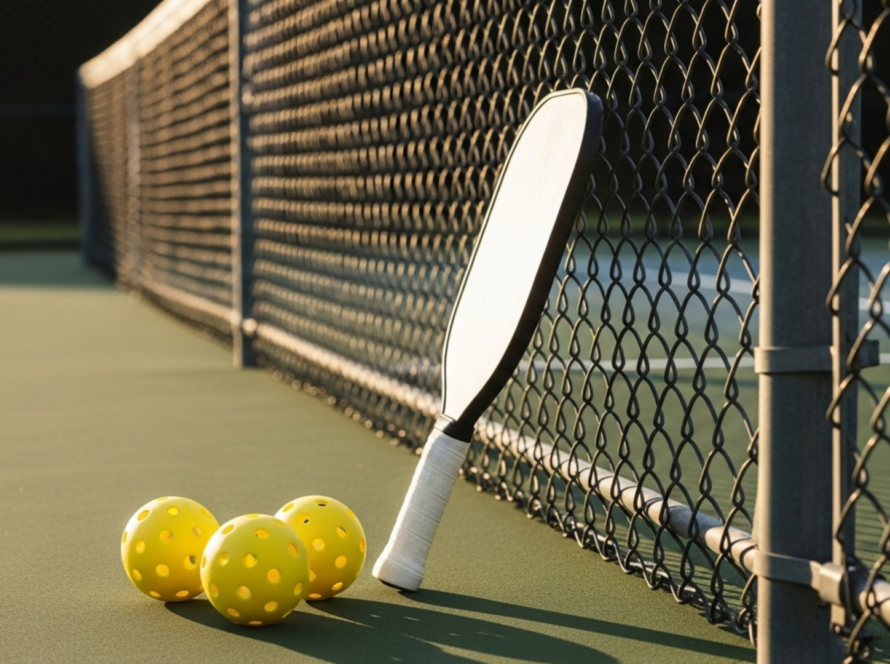
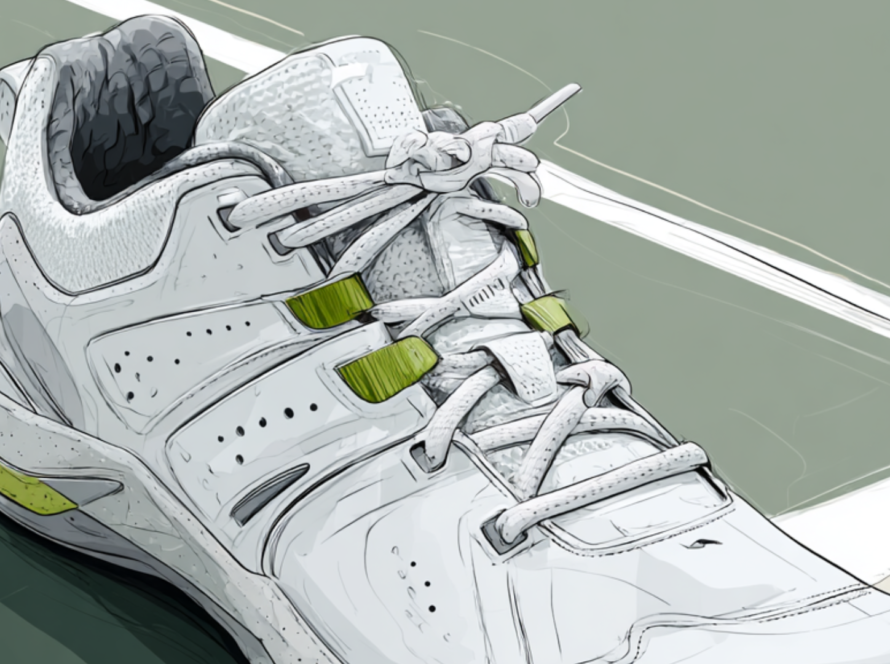
If you’re new to pickleball, chances are you’ve wondered: can I just wear my running shoes? Technically yes—but they’re not designed for the side-to-side demands of the game. That mismatch doesn’t just cost you traction and stability; it can also increase your risk of ankle and knee injuries and wear out your shoes far faster than you’d expect.
In this guide, you’ll learn the essential differences between running shoes and true court shoes, how to choose indoor vs outdoor soles, what to buy on any budget, and how to size, care for, and replace your shoes for maximum performance and safety. Whether you’re a beginner or a rec-league regular, dial in your footwear and the rest of your game gets easier.

The Short Answer: Running Shoes vs. Pickleball Court Shoes
- Yes, you can wear running shoes for pickleball.
- No, they’re not ideal. Running shoes are built for forward motion and cushioned heel-to-toe transitions; pickleball is mostly lateral, stop-start, and quick pivots.
- The result: higher ankle- and knee-injury risk and faster outsole blowout compared with purpose-built court shoes.
Core takeaway: Running shoes are biomechanically unsuited for pickleball and measurably increase injury risk while wearing out faster than a proper court shoe.
Why Court Shoes Matter (and What Makes Them Different)
Lateral support that resists rollovers
- Broad outrigger soles and medial/lateral “wing walls” can reduce ankle-inversion torque compared with neutral running models.
- Thermoplastic heel counters lock in the rear foot; running shoes often rely on softer foam that can feel “tippy” in hard cuts.
Outsoles made for the surface you play
- Outdoor court shoes use high-carbon rubber, for abrasion resistance on asphalt or painted concrete. Average hardness: 68–72 Shore A.
- Indoor shoes (or volleyball crossovers) use softer gum rubber that grips varnished hardwood without marking. Average hardness: 60–65 Shore A.
- Running shoes typically use lugs and crash pads engineered to deform forward, not laterally.
Tread patterns that keep you planted
- Herringbone or modified saw-tooth treads channel dust and moisture, allowing you to maintain rubber-to-court contact during slide stops.
- Running treads don’t offer that same lateral braking and can feel slick on acrylic courts.
Lower, firmer midsoles for court feel and quickness
- Court-shoe midsoles usually have a lower drop (4–8 mm) and firmer foam (45–55 Asker C) for stability and feedback.
- Running shoes average a 10–12 mm drop with softer foam (38–45 Asker C).
- Lower drop can reduce lever arm stress on the Achilles during explosive push-offs.
Reinforced uppers that won’t shred at the toe
- PU or Kevlar toe-drag guards handle repetitive dinks and kitchen-line scrapes.
- Many running shoes tear at the medial toe in as little as 10–15 hours of recreational pickleball.
Indoor vs. Outdoor Pickleball Shoes: Choose by Surface
Indoor courts (wood or sport-court tiles)
- Non-marking gum rubber for maximum grip.
- More breathable mesh uppers (indoor temps can run high).
- Often slightly lighter on foot.
Outdoor courts (concrete, asphalt, gritty acrylic)
- Harder, more durable rubber compounds with deeper tread.
- Beefed-up toe bumpers to handle abrasive surfaces.
- Slightly heavier but built to last longer outside.
Tip: If you split time indoors and out, consider two pairs optimized for each surface. You’ll get better grip, fewer slips, and more total life from both pairs.
Pickleball vs. Tennis vs. Volleyball vs. Basketball Shoes
- Tennis shoes: Closest match to pickleball. Many “pickleball” models are re-badged tennis shoes with court-friendly tweaks—totally fine.
- Volleyball shoes: Excellent for indoor pickleball thanks to lateral support and gum rubber; too soft for outdoor wear.
- Basketball shoes: Great ankle stability but heavier and often over-cushioned, which can reduce court feel and quick reactions.
How to Get the Right Fit (Beginner-Friendly Checklist)
- Width: Allow a thumbnail’s length at the front. Standing, aim for about 1/8″–1/4″ clearance at the sides for natural toe splay.
- Heel lock: Minimal slippage. Test by placing one finger behind your heel; it should be snug, not loose.
- Lacing: Use a “runner’s lock” (double eyelet) to improve heel hold.
- Orthotics: Custom or OTC inserts should sit flush with no rocking. If trimming is needed, trim at the forefoot only—never the heel.
- Braces: If you plan to wear an ankle brace regularly, consider sizing up by half for comfort.
Care, Rotation, and Replacement: Make Your Shoes Last
Replacement timing
- Outdoor: Replace about every 45–60 play hours, or when the herringbone is ≤1 mm at the ball of the foot.
- Indoor: 70–90 hours (surfaces are less abrasive).
Rotate pairs
- Alternate two pairs to let midsole foam rebound for 24–48 hours.
Clean for grip
- Wipe soles with a damp microfiber before play.
- Use a stiff nylon brush weekly to remove embedded grit.
Wash gently
- Avoid machine washing; it degrades the glue.
- Hand wash, air dry 48+ hours, and stuff with newspaper to pull moisture.
Venue Rules and Practical Extras
Non-marking requirement
- Many rec centers require non-marking soles; leave scuffs and you might be asked to sit out.
Tournament notes
- USA Pickleball doesn’t currently regulate footwear, but local organizers may reference tennis-shoe guidelines.
Socks and blister care
- Technical socks with 3–5 mm terry under the forefoot/heel can cut blister rates roughly in half vs. thin cotton [14].
- Consider PTFE-coated blister patches for known hot spots.
Bracing
- Quality ankle braces (e.g., ASO, Zamst) can help—just size your shoes accordingly if you’ll wear them often.
FAQ
Q: If I only play once a month, do I still need court shoes?
A: You’ll still benefit from better grip and injury prevention. A budget court model—or an old tennis shoe with intact tread—is far superior to a running trainer.
Q: Can I use cross-training or HIIT shoes?
A: Often better than running shoes thanks to flatter soles and sidewalls. Check the outsole: some HIIT shoes use foam-only contact areas that can be slick on acrylic courts.
Q: Are high-tops safer?
A: Not necessarily. Modern low- and mid-cuts with rigid heel counters show no significant difference in sprain rates when stability features are comparable.
Q: How do I know it’s time to replace my shoes?
A: If the tread near the ball of the foot is smooth (≤1 mm depth), you’re sliding more than stopping, or you feel new aches after play, it’s time.
Q: What’s the best shoe drop for pickleball?
A: Many players do well in 4–8 mm drops for a balance of stability and comfort. Lower drops can help reduce plantar and Achilles stress for some athletes.
The Takeaway
Running shoes are built for miles in one direction; pickleball asks your feet to change direction every few seconds. Court shoes give you the lateral support, stable cushioning, and grippy outsoles you need to move with confidence—and reduce injury risk. If you’re serious about enjoying the sport pain-free, upgrading to a proper indoor or outdoor court shoe is the most cost-effective gear change you can make.
Ready to move better on day one? Pick a pair from the budget that fits, lace them with a heel lock, and hit the court. Your ankles—and your win column—will thank you.