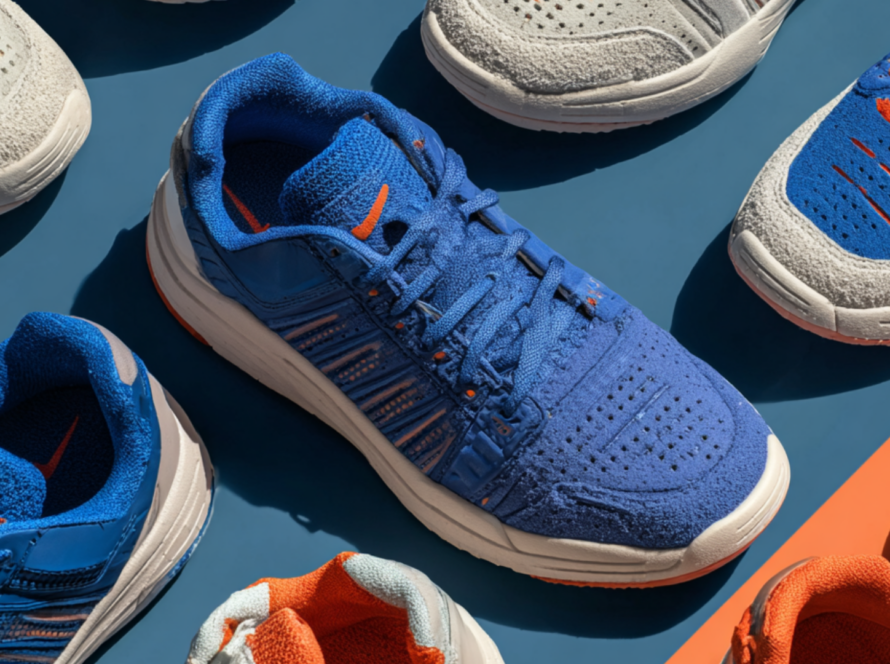
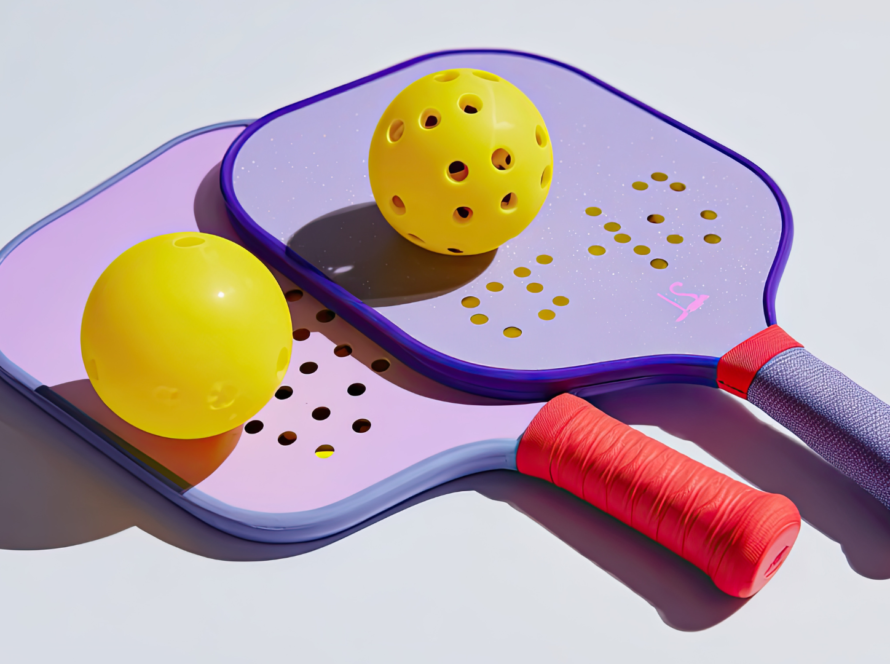
Pickleball isn’t just booming—it’s exploding. U.S. participation jumped from about 4.8 million in 2019 to roughly 36.5 million in 2025. With more players on court, injury numbers climbed too, especially for ankles and Achilles. The common thread in many of those injuries? Players wore the wrong shoes.
This guide breaks down why dedicated pickleball shoes matter, what to look for, how to fit them, and which models are worth a try. Whether you’re new to the sport or leveling up from rec play, you’ll walk away knowing exactly how to choose footwear that helps you move better—and stay on the court.

Why Cross-Training Shoes Fall Short on a Pickleball Court
Pickleball involves quick split-steps, lateral shuffles, and abrupt stops. Those moves produce higher side-to-side forces than general gym work.
- Lateral ground-reaction forces in pickleball average about 2.1× body weight within 230 ms. Most cross-training drills seldom exceed about 1.4× body weight.
- Rapid decelerations create shear at the subtalar joint; court shoes with torsion-control shanks can reduce that shear by roughly 37%.
- Traction targets differ: court shoes aim for a “sweet spot” grip (coefficient of friction ~0.75–0.85) so you can plant safely yet still micro-slide. Many cross-trainers sit closer to 0.60–0.68, which explains that “skating” feeling on outdoor acrylic courts.
Pressure mapping also shows pickleball players load the lateral forefoot longer per rally than tennis players—so you want stable platforms, lateral outriggers, and reinforced toe areas. Translation: your everyday trainers aren’t tuned for pickleball’s side-to-side demands.
Anatomy of a Proper Pickleball Shoe (What to Look For)
Getting the right features is more important than the logo. Here’s what matters and why.
1) Outsole and Traction
- Non-marking rubber: Required for sanctioned indoor events (USA Pickleball Rulebook 2.E.6). Indoor shoes often use natural gum rubber for superb grip; it’s UV-sensitive, so keep it out of hot cars and direct sun.
- Outdoor compounds: Higher-carbon rubber lasts about 4× longer than gum but trades a bit of tack—designers compensate with deeper herringbone patterns.
- Wet-court help: Silica-infused blends can add roughly 12% more traction if you play on dusty or slightly damp surfaces.
- The goal: Enough grip to stop on a dime without sticking so hard you tweak an ankle. That 0.75–0.85 COF range is the sweet spot for pickleball.
2) Midsole and Stability
- Foam types:
- EVA: Affordable and common, but compresses 15–20% after ~40 hours on court.
- TPU-bead foams: Bouncy and resilient; usually paired with a firmer carrier foam or a shank for stability.
- PEBA: Light and springy, mostly in premium models.
- Torsional shank: A must-have for controlling side-to-side twist. It directly counters the shear your ankle experiences during hard shuffles and stops.
- Stack height and drop: Many pickleball shoes are a bit lower to the ground than tennis models for better stability and quicker reactions.
- Court feel: Overly soft or high-stack foams feel great jogging but can delay lateral response on court.
3) Upper Durability and Toe Protection
- Overlays matter: Injection-molded RPU/KPU overlays resist abrasion far better than thin films—key if you “tap” and drag at the kitchen line.
- Toe-drag guards: Reinforced medial forefoot caps in pickleball shoes are placed for the sport’s specific wear pattern (slightly different than tennis).
Tennis and Basketball Crossovers: What’s Different?
- Tennis vs. pickleball: Tennis shoes often have slightly thicker midsoles for longer fore–aft sprints; pickleball models trim stack height and tilt toward stability.
- Basketball shoes: They share lateral outriggers, but typically sit higher (28–32 mm stack, 10–12 mm drop). That raised center of gravity can slow reactions and feel wobbly for low, net-focused play—plus many are built for indoor hardwood only.
Injury Risk—and the Real Cost of Wearing the Wrong Shoes
The cost side is simple:
- Median medical spend for an acute ankle sprain: about $1,214.
- A court-specific shoe may cost $30–$50 more than a cross-trainer but can be both safer and cheaper per hour.
Cost-per-hour math for a recreational player (3 hrs/week):
- Pickleball shoe: lasts ~70 hours → around $2.00/hr.
- Cross-trainer on court: ~35 hours → around $2.57/hr, plus a higher injury probability.
Indoor vs. Outdoor: Choose the Right Rubber
- Indoor hardwood: Non-marking natural gum rubber grips best.
- Outdoor acrylic: Harder, high-carbon rubber with deeper herringbone wears longer and slides predictably.
- Dust or drizzle: Silica-infused compounds help; sweep courts when possible to keep the friction predictable.
Maintenance and Lifespan Tips
- Longevity: Expect 60–75 court hours outdoors before pivot-point tread drops below 1 mm.
- Cleaning: Mild dish soap + soft brush. Machine washing can degrade glues and void warranties.
- Storage: Don’t bake them in a trunk; EVA loses significant elasticity above ~100 °F.
Quick Picks: Reliable Models to Try in 2025
- Skechers Viper Court Elite: Carbon-infused midsole feel with ArchFit support; great for high arches.
- ASICS Solution Swift FF 2: Featherweight feel (around 10.9 oz men’s 9) with premium PEBA foam.
- K-Swiss Court Express: Wider toe box option for comfort seekers.
- Babolat Jet Mach 3: Michelin rubber outsole for outdoor durability; Kevlar-reinforced upper.
Always match the outsole to your primary surface (indoor vs. outdoor), and prioritize fit over brand.
Sustainability Matters (And Your Choices Help)
- Recycled uppers: Wilson Rush Pro Ace Pickler (23% recycled polyester) and Adidas Avacourt Pickleball (uses Parley ocean plastics).
- Lower-VOC builds: Glue-free stitched Strobel boards can cut emissions by ~18%.
- Take-back programs: Nike Reuse-A-Shoe and On Running’s Cyclon accept many court shoes at end-of-life (non-metal shanks preferred).
FAQ: Common Footwear Questions, Answered
Q1: Can I just wear an ankle brace with my cross-trainers?
A: Lace-up braces reduce inversion range by roughly 27%, which can help—but braces don’t change outsole traction or midsole torsional shear. Injury risk drops modestly (about 8–12%), still higher than with proper court shoes.
Q2: Are minimalist (zero-drop) shoes good for pickleball?
A: Zero-drop designs increase ankle dorsiflexion demand and have been linked to higher calf/Achilles strain rates in trials. Unless you’re conditioned for them, they’re risky for pickleball’s stop-start lateral game.
Q3: Do carbon-fiber plates make me faster on court?
A: Carbon plates shine for forward propulsion in running. Pickleball benefits more from torsion-control (medial–lateral) than from forefoot stiffening. Overly stiff plates can hurt court feel and quick directional changes.
Q4: Can I play in basketball shoes?
A: They share some stability traits, but the higher stack and drop can raise your center of gravity and slow low, net-focused moves. Many are also optimized for indoor hardwood and may wear fast outdoors.
The Bottom Line
Court-specific pickleball shoes are purpose-built for the sport’s lateral forces, stop-start rhythm, and traction demands. They’re safer, often cheaper per hour, and feel better once you try them. Use the fit checklist above, pick an outsole matched to your court, and rotate pairs if you play often.
Ready to upgrade? Start with one of the quick picks, or head to your local shop and test a few models using this guide. Your ankles (and your game) will thank you.