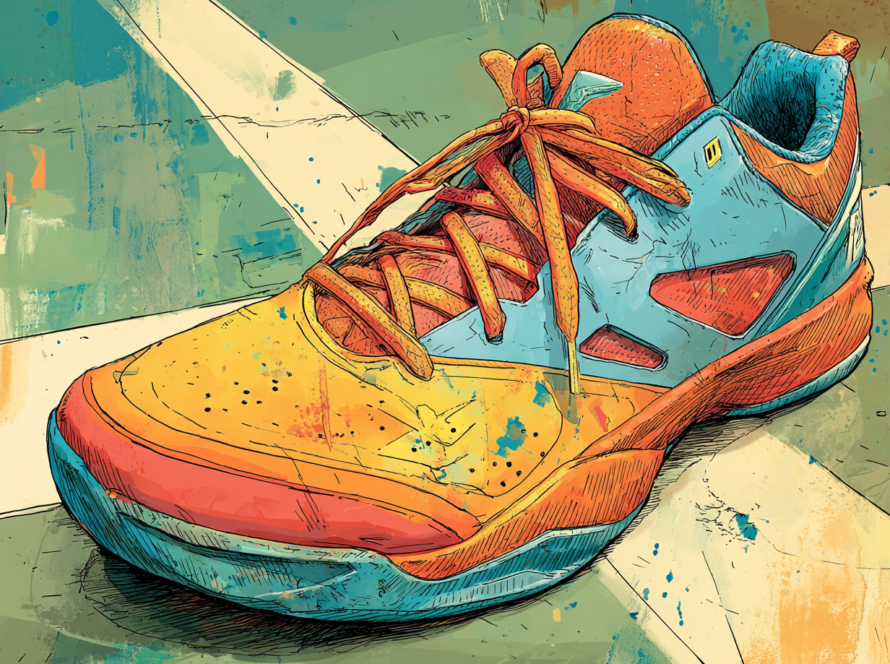
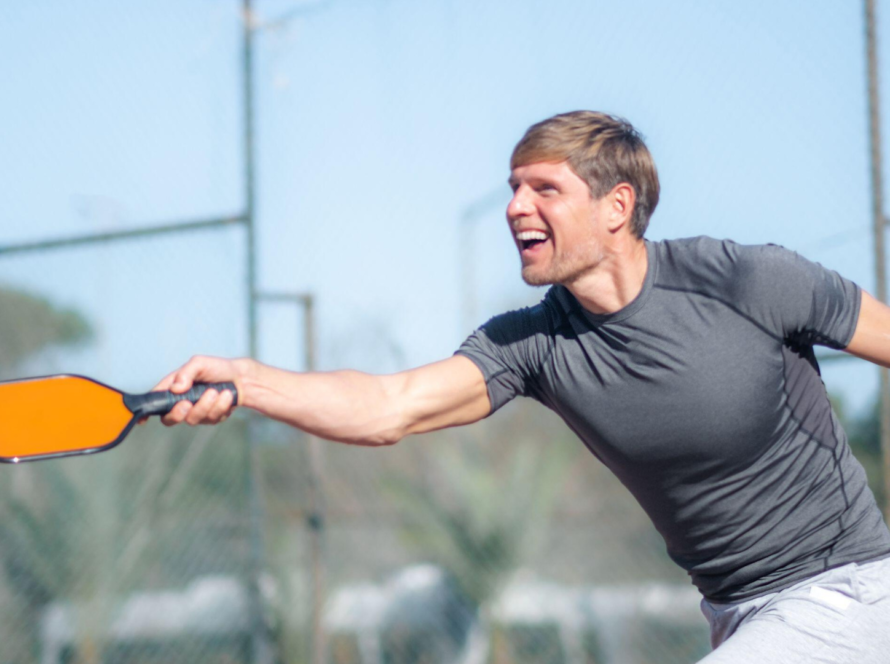
If your pickleball shoes seem to melt away faster on some courts than others, it’s not your imagination—it’s physics. The surface you play on can double (or halve) your shoe life, change how you grip the court, and even impact your chances of nagging injuries.
In this guide, we’ll unpack how popular pickleball court surfaces—from raw concrete to cushioned polyurethane and modular tiles—affect outsole wear, traction, and comfort. You’ll also get clear recommendations for choosing the right shoes for each surface, quick diagnostics to read your wear patterns, and easy habits that can add months to your footwear. Whether you’re a beginner or leveling up to league play, this is the shoe-saving cheat sheet you’ve been looking for.

Why Court Surface Matters for Pickleball Shoe Wear
Every step you take is a battle between your outsole rubber and the court. Three factors decide who wins:
- Hardness mismatch: The bigger the gap between the hardness of the court and your outsole, the more your shoe deforms and abrades. Concrete/asphalt are extremely stiff; cushioned polyurethane and wood are far softer and gentler on outsoles.
- Texture and grit: Rough finishes and sanded acrylic topcoats grip well but act like fine sandpaper on tread edges, especially during pivots and shuffles.
- Heat and contamination: Hot dark courts soften rubber; dust and loose grit can both reduce friction (causing micro-slips) and grind away tread as “third-body” abrasives.
Helpful benchmarks to know:
- Target coefficient of friction (COF) for safe lateral sports: about 0.5–0.8.
- ITF pace ratings (Class 1 = Slow, Class 5 = Fast) are used in tennis but map well to pickleball: more sand/texture slows the court but can chew shoes faster.
- ASTM F2772 (for indoor courts) rates shock absorption and vertical deformation—more cushion typically means kinder wear on your body and your shoes.
How Different Pickleball Court Surfaces Compare
Here’s how common surfaces stack up for shoe life, grip feel, and what to expect. Shoe life estimates assume a rec player at ~3 hours/week.
Concrete and Asphalt (outdoor)
- What it feels like: Fast, firm, and unforgiving. Raw/broom finishes are especially rough.
- Typical shoe life: 3–6 months (~120–250 court hours).
- Why: Massive hardness mismatch and abrasive texture flatten tread edges quickly.
- Who it suits: Players who like a quick court and don’t mind extra traction from roughness.
Sanded Acrylic over Asphalt/Concrete (outdoor)
- What it feels like: Consistent grip; the silica sand in the color coats controls speed.
- Typical shoe life: 5–7 months (~180–300 hours) at medium texture.
- Why: The sand provides great traction but “shaves” the rubber during pivots.
- Pro tip: If you feel your shoe “buzz” on pivots, you’re meeting the sand.
Modular Polypropylene Tiles (e.g., Sport Court)
- What it feels like: Slightly springy with micro movement; perforations reduce puddling.
- Typical shoe life: 6–8 months (~250–350 hours).
- Why: Less abrasive than sanded acrylic or raw concrete.
- Note: Broken tile tabs can create ridges that slice tread—report them.
Poured Polyurethane / Cushioned Indoor Systems
- What it feels like: Comfortable, quieter, and kind to joints; plenty of grip when clean.
- Typical shoe life: 9–12 months (or ~350–500 hours).
- Why: Lower abrasion and some energy return save the outsole and your body.
Wood and Sheet Vinyl (indoor gyms)
- What it feels like: Smooth, fast, and responsive; dust control is everything.
- Typical shoe life: 9–12+ months (varies with maintenance).
- Why: Low abrasion; gum rubber shines here—until dust cuts COF and causes slip.
Clay, Grass, and Synthetic Turf (less common)
- Clay/Har-Tru: Slower, slide-friendly; shoes last, but toe protection helps.
- Grass/Turf: Use small rubber nubs (not cleats); soft underfoot, gentle on shoes.
Pick the Right Pickleball Shoe for Your Surface
Matching outsole compounds and tread patterns to your court pays off in durability and safer traction.
Outdoor Pickleball: Concrete/Asphalt
- Outsole: High-carbon rubber (e.g., ASICS AHAR, NB Ndurance), durometer ~65–75A.
- Tread: Deep herringbone or omni-directional nubs for grip and debris shedding.
- Support: Dual-density EVA with a TPU shank for torsional control.
- Extras: Reinforced toe cap and medial drag guards for reach volleys.
Outdoor Pickleball: Sanded Acrylic
- Outsole: Silica-reinforced compounds (Michelin, DragGuard, DuraMax) handle grit better.
- Tread: Medium-depth modified herringbone; pivot discs reduce shear on sand grains.
- Durometer: Around 70A is a sweet spot—grippy but not gummy.
Indoor Pickleball: Wood or Vinyl
- Outsole: Non-marking gum rubber, durometer ~55–65A for tacky grip.
- Tread: Siped or radial patterns that “squeegee” dust.
- Upper: Lightweight mesh—indoor courts are easier on uppers.
Polyurethane-Cushioned Courts
- Outsole: Can be slightly softer; abrasion is low.
- Focus: Lightweight feel and energy return over extreme durability.
Modular Tiles
- Outsole: Small lugs or hex tread to “key” into perforations and reduce that skatey feel.
- Tip: Check your landing stability—if you’re sliding, go slightly tackier.
Clay/Har-Tru and Grass/Turf
- Clay: Omni-court tennis outsoles with solid toe caps are ideal.
- Grass/Turf: Small rubber nubs/pimples; most facilities prohibit hard cleats.
Decode Your Wear Pattern (Quick Diagnostics)
Your outsole tells a story. Use it to tweak technique, rotate shoes, or choose a better model.
- Heel cup blown out first → likely over-striding or heavy landings. Consider more cushioning and a form check.
- Medial forefoot balded → common for right-handers pivoting on the left ball of foot during dinks.
- Lateral toe drag shredded → frequent reach volleys or Ernes; add toe-drag patches or pick shoes with reinforced drag zones.
- Edges rounded, center intact → mostly straight-line sprints; look for better lateral support.
- Uniform smoothing plus midsole “lean” → older foams or higher body mass; rotate pairs and replace insoles more often.
Extend Your Shoe Life: Simple Habits That Work
- Rotate by surface: one pair for outdoor abrasive courts, one for cushioned/indoor.
- Clean after gritty sessions: cold-rinse out sand; use a stiff nylon brush and mild dish soap. Avoid petroleum cleaners—they harden rubber.
- Beat the heat: don’t trunk-bake your shoes. Adhesives begin to break down around 115°F and rubber softens above ~95°F.
- Dry gently: air dry under 90°F; remove insoles to speed things up.
- Refresh insoles every ~60 days: restores stack height and reduces outsole “pinch” wear.
- Patch chronic drag zones: Tuff-Toe or toe-drag patches can add 30–50 hours.
- Inspect before you slip: if dusty indoor floors feel slick, clean soles on a damp towel mid-session.
Performance and Injury Links You Should Know
Durability isn’t just about dollars—worn shoes change how you load joints and absorb shock.
- Going from cushioned polyurethane to concrete can raise tibial impact signals by ~13% with just a 10% drop in shock absorption.
- When tread falls below ~1 mm on dusty wood, slip distance can jump about 22%—that’s the difference between a controlled slide and a sudden skid.
- Over-worn shoes lose 15–25% torsional rigidity, increasing risk of plantar fasciitis and mid-foot sprains.
If you’re seeing bald pivot spots, rolled edges, or feeling wobbly on cuts, it’s time to retire that pair.
Budget and Sustainability: The Hidden Cost of Hard Courts
- Hard-court regulars average ~2.5 pairs/year versus ~1.2 pairs on cushioned surfaces—roughly $180 more per year if you buy $120 shoes.
- Cleaner, less-abraded shoes are more recyclable through take-back programs (Nike Grind, ASICS). Cushioned courts help on that front.
- Facility managers: promoting cushioned or “eco” courts (polyurethane with recycled content) can reduce player spend and landfill waste.
FAQs
Q1: How long do pickleball shoes last on different courts?
A: Roughly 3–6 months on concrete/asphalt, 5–7 months on sanded acrylic, 6–8 months on modular tiles, and 9–12+ months on polyurethane or wood—assuming ~3 hours/week and no heavy toe-dragging.
Q2: Can I use indoor gum-rubber shoes outdoors?
A: You can, but expect rapid wear. Gum rubber (softer, tackier) grips beautifully indoors on wood/vinyl but abrades quickly on concrete or sanded acrylic. For outdoor pickleball, choose a harder carbon-rubber outsole.
Q3: What outsole features should I prioritize for outdoor pickleball?
A: Look for high-carbon rubber compounds, a deep or modified herringbone tread, reinforced toe/medial drag zones, and a stable midfoot (TPU shank). A durometer around 65–75A balances grip and longevity.
Q4: My indoor court feels dusty and slick. Is that my shoes or the floor?
A: Both can be culprits. Dust lowers COF and increases micro-slips. Clean your soles during play and ask the facility about regular auto-scrubbing. If your tread depth is ≤1 mm in pivot zones, replace the shoes.
Q5: Are “sticky” basketball crossover shoes good for hot outdoor acrylic?
A: Not ideal. Sticky compounds soften with heat and can smear on hot dark courts, wearing faster. Choose outdoor-specific pickleball/tennis models with carbon or silica-reinforced rubber.
conclusion
The harder and rougher the court, the faster your shoes die—often twice as fast on raw concrete as on cushioned polyurethane. Match your shoe to your primary surface, rotate pairs by environment, and keep soles clean and cool. A thoughtful outsole choice and a few simple habits can add 100–200 extra court hours to your shoes while keeping your joints happier.