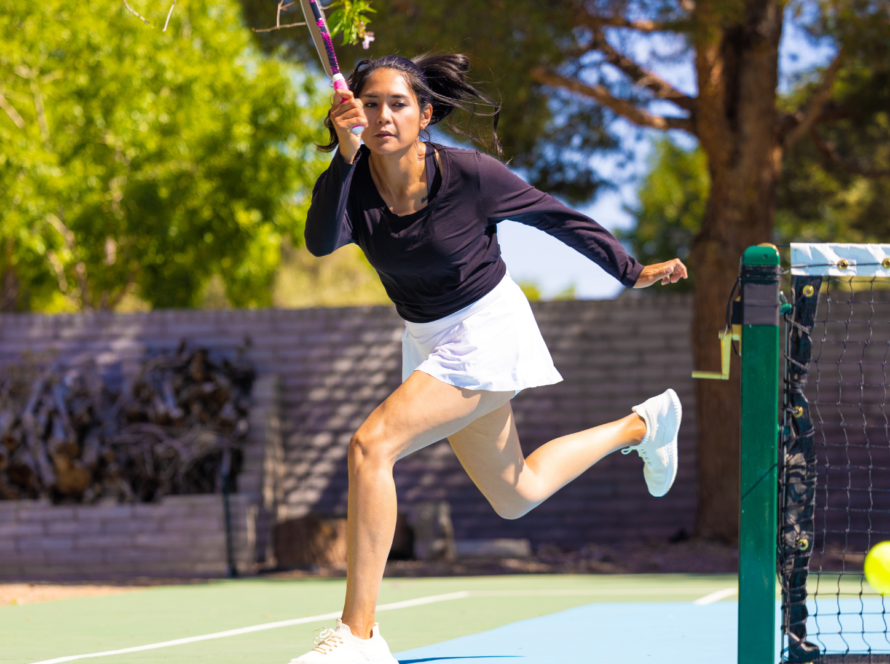
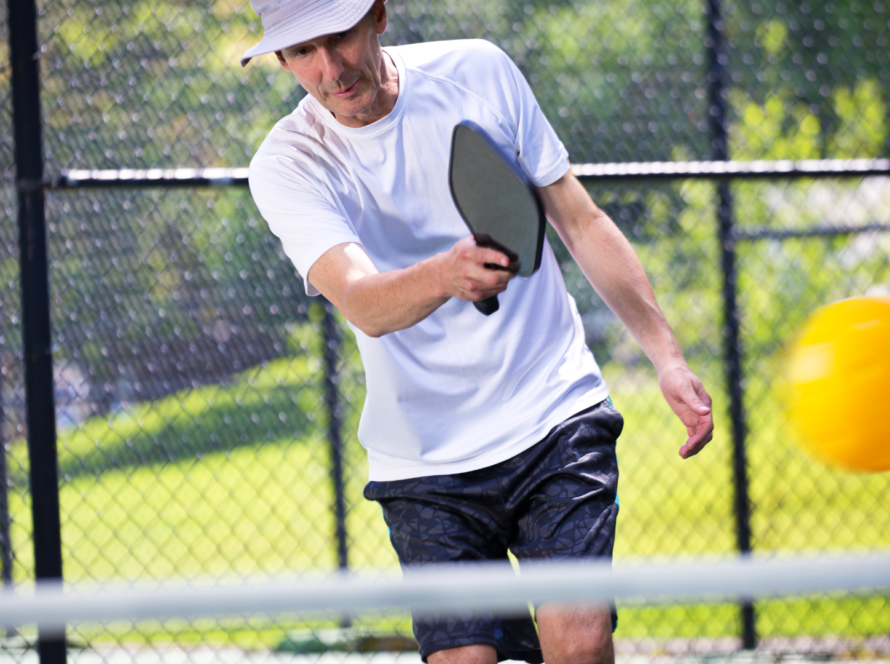
Your pickleball court shoes are not just sneakers—they’re specialized equipment designed to grip, support, and protect during fast lateral movements. Treat them like performance gear and you’ll get more life from every pair, better traction on court, and fewer foot issues.
This expanded and updated guide compiles directives from major brands (ASICS, Babolat, K-Swiss, HEAD), footwear science, and hands-on wisdom from racquet-sport techs. Whether you’re just getting into the game or playing leagues every week, you’ll learn exactly how to clean, dry, store, rotate, and retire your shoes the right way.

Indoor vs. Outdoor Pickleball Court Shoes: Choose the Right Model
Using the right shoe for the right surface is the fastest way to preserve grip and lifespan.
Indoor (gym) shoes
- Outsole: soft “gum” rubber for maximum grip on wood and synthetic floors
- Pros: Excellent tackiness indoors; non-marking
- Cons: Wears quickly on asphalt and concrete
Outdoor shoes
- Outsole: harder rubber, often with herringbone or modified herringbone tread to channel dust and grit
- Pros: Durable on rough acrylic courts; resists abrasion
- Cons: Slightly less tacky on polished indoor floors
Initial Set-Up and Break-In
Don’t rush straight into matches. A short break-in protects your feet and helps the shoe settle.
- Unbox, remove factory stuffing, and let the shoes air for 24 hours to dissipate glues and moisture.
- Wear them for two short 10–15 minute walkabouts over the first two days.
- Progress to light drills before your first full match.
- Check for hot spots. Adjust your lacing pattern (see “Fit & Lacing”) or try a different insole if needed.
Daily Post-Play Care: Clean, Dry, Deodorize
Make these quick routines automatic—your shoes will stay grippier and smell better.
De-dust before you leave the court
- Knock the soles together, then wipe with a microfiber towel.
- Less dirt in your bag means less embedded grime later.
Odor and microbe control
- Sprinkle 1–2 tsp baking soda or a dedicated antimicrobial powder inside.
- Or drop in cedar shoe blocks or activated-charcoal pouches overnight.
- UV shoe sanitizers (portable LED devices) can kill over 99% of odor-causing bacteria in about 15 minutes.
Simple spot-cleaning formula (pH-neutral)
- Mix: 1 cup warm water + 2–3 drops mild dish soap + 1/2 tsp white vinegar.
- Scrub with a soft brush, wipe with a rinsed cloth, then pat dry.
Fast-dry hack (when you only have hours)
- Remove insoles, stuff shoes with newspaper, and place 12–16 inches in front of a fan (not a heater).
- Air movement cuts dry time.
Deep Maintenance: Weekly and Monthly
A little periodic TLC restores traction and structure.
Outsole reset
- Use a toothbrush and diluted dish soap to clean grooves.
- Finish with a slightly damp magic eraser to restore tack.
- Optionally apply a silicone-free rubber conditioner monthly (e.g., Yonex Grip Renew or a light Simple Green solution).
Upper refurbish
- Mesh/textile: Hand wash only; avoid full submersion.
- Synthetic leather: Wipe with a non-alcohol baby wipe; follow with a tiny amount of petroleum-free conditioner to keep it supple.
Laces and insoles
- Machine-wash laces and removable insoles in a mesh bag on cold; air dry.
- Replace insoles every 60–80 court-hours or when they feel compacted.
Rotation Strategy: How Many Pairs Do You Need?
Rotating gives midsoles time to rebound and reduces odor buildup.
- Play 1–2x per week: 1 pair is fine
- Play 3–4x per week: 2 pairs, alternate days
- Daily play or tournament prep: 3 pairs (two “game” pairs + one “practice” pair)
Why it works: EVA midsoles rebound fully after roughly 48 hours. Rotation preserves cushioning and support.
Smart Storage: Temperature, Humidity, and Bags
Keep your shoes in athlete-friendly conditions.
- Ideal temperature: 45–85°F (7–29°C)
- Humidity: under 60% RH
- Avoid:
- Car trunks (can exceed 140°F in summer)
- Cold garages (EVA stiffens below 40°F, increasing crack risk)
- Sealed plastic bins (trap moisture and promote bacteria)
- Pro tip: Store in a ventilated mesh bag with a silica-gel packet.
Material-Specific Watchouts
Know what your shoes are made of—and what to avoid.
- Midsole foams
- EVA: light and bouncy, but oxidizes; UV and sweat speed breakdown
- PU: heavier but more durable; resists permanent compression
- Glued construction
- Avoid harsh solvents, acetone, or oil-based repellents—they dissolve cement and adhesives.
- Alcohol wipes are okay on rubber but not on painted midsoles.
When to Replace: Lifespan Benchmarks and Wear Indicators
General timelines (actual mileage varies with weight, surface, and movement patterns):
- Recreational (under 3 hours/week): 9–12 months
- League/club (4–6 hours/week): 5–8 months
- Competitive (8+ hours/week): 45–60 court-hours (about 3–4 months)
Early warning signs:
- Tread depth under 1 mm in the pivot zone
- Midsole permanently indented more than 4 mm at the ball of foot
- Heel counter collapses when pinched
- Shoe twists easily (lost torsional rigidity)
Fit Optimization and Lacing Techniques
Small tweaks can solve heel slippage, pressure points, and instability.
- Runner’s Loop (Heel Lock): Prevents heel lift and reduces blisters
- Wide-Foot Parallel Lacing: Relieves top-of-foot pressure
- Surgeon’s Knot over the midfoot: Locks midfoot while keeping forefoot flexible
See diagrams: bit.ly/pickle-lacing
Orthotics and Aftermarket Insoles: When and How
Consider orthotics if you experience:
- Chronic plantar fasciitis
- Metatarsal pain
- Over-pronation
Rules for best results:
- Choose low-volume sport orthotics (e.g., Superfeet Carbon)
- Remove the factory insole first; never stack
- Reassess fit—too-tight shoes reduce circulation and increase blister risk
Common Pickleball Shoe Myths—Busted
- “You can machine-wash court shoes on delicate.”
- Reality: Agitation and spin cycles can delaminate midsoles and rip eyelets.
- “More cushioning always prevents injury.”
- Reality: Too much cushion can destabilize lateral cuts; court shoes balance firmness and rebound for side-to-side play.
- “A quick sun-dry is harmless.”
- Reality: UV degrades adhesives and yellows rubber in under 30 minutes.
Quick-Reference Checklist
Before play
- Inspect tread and toe-drag areas
- Check laces for fraying
- Swap in dry insoles if yesterday’s are still damp
After play
- Knock and wipe soles
- Remove insoles; insert newspaper or cedar blocks
- Store in a ventilated bag—never in the trunk
Weekly
- Deep-clean outsole grooves and upper
- Launder laces and insoles
- Rotate to your second pair
Monthly
- Condition rubber if playing outdoors
- Measure tread depth; mark your calendar for projected replacement
Why This Care Makes a Big Difference
- Performance: Consistent grip means quicker split-steps and safer lunges.
- Health: Dry, supportive shoes can cut blister rates and overuse injuries significantly.
- Economy: Good maintenance can double lifespan, saving $100–$150 per year for frequent players.
- Community: Clean, non-marking soles protect shared courts and reduce facility maintenance.
FAQs
Q: Can I wear running shoes for pickleball?
A: It’s not recommended. Running shoes are designed for forward motion and lack lateral support and torsional stability. Pickleball court shoes are built for side-to-side cuts, stops, and pivots.
Q: How do I know if I need indoor or outdoor shoes?
A: Play mostly indoors on wood or synthetic floors? Choose indoor models with gum rubber. Mostly on outdoor acrylic/asphalt courts? Choose outdoor models with harder rubber and a herringbone-style tread.
Q: My shoes smell even after drying—what now?
A: Use antimicrobial powder or charcoal/cedar inserts nightly, and try a UV shoe sanitizer. Also wash insoles weekly and ensure shoes fully dry between sessions.
Q: Will a water-repellent spray help keep shoes clean?
A: Avoid oil-based repellents; they can weaken adhesives. If you use a spray, choose a water-based, shoe-safe protector and test on a small area first.
Q: How tight should court shoes fit?
A: Snug in the heel and midfoot with room to wiggle toes. No heel lift during lunges. Use a Runner’s Loop if you feel slippage, or try a different width.
Conclusion: Treat Your Shoes Like the Performance Gear They Are
Pickleball court shoes are precision tools. Clean smart, dry thoroughly, rotate regularly, store properly, and retire responsibly. You’ll move better, stay safer, and save money—while keeping your courts in top shape.