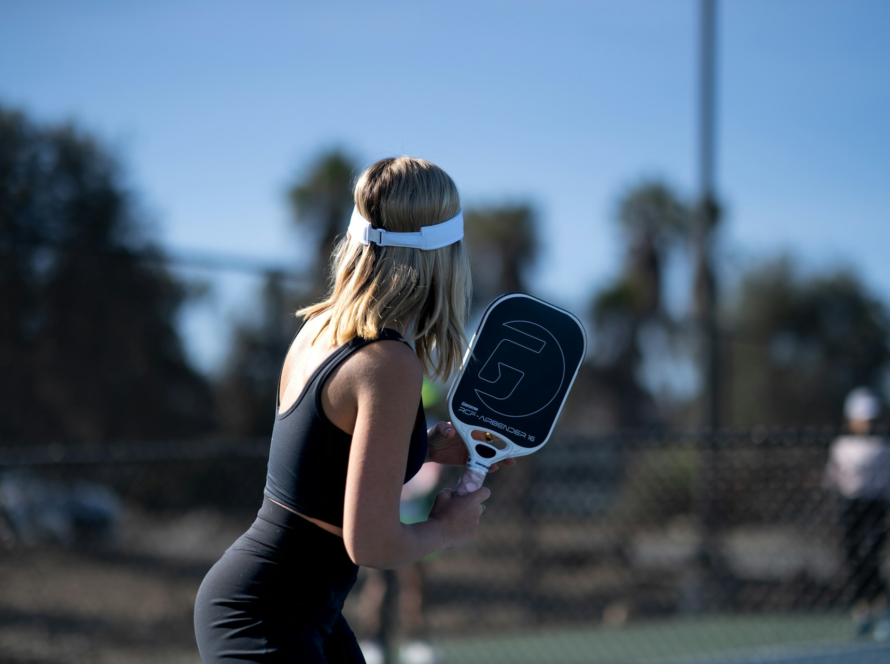
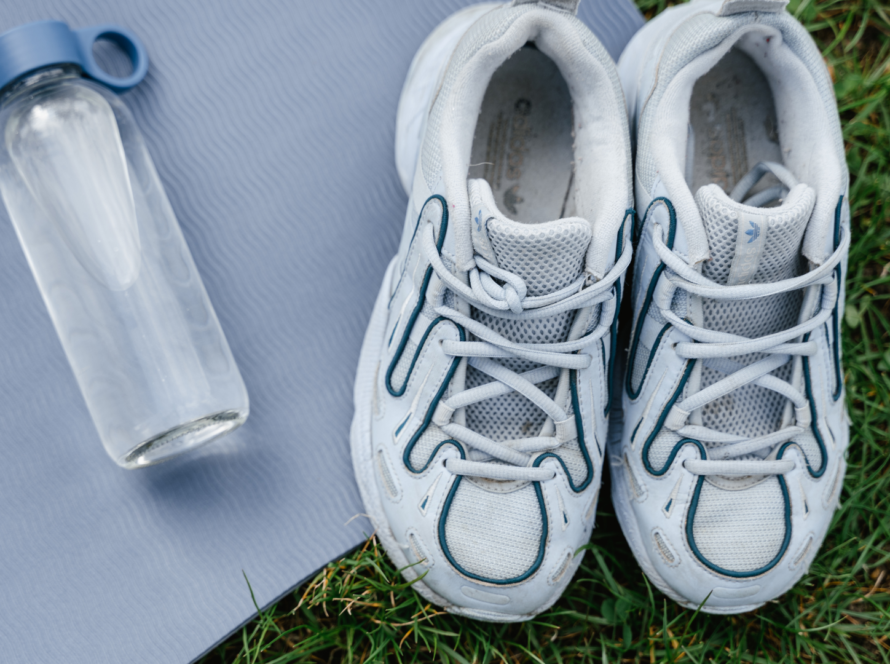
If you spend most of your time playing on hardwood or gym tile, your shoes matter just as much as your paddle.
Indoor courts change how rubber grips, how foam compresses, and how your ankles handle quick cuts. The wrong shoe can leave you sliding, sore, or even sidelined.
The right one? It makes every movement feel confident and controlled.
This guide breaks down why indoor-specific shoes matter and why they are essential gear for pickleball players what features to look for, and which models stand out in 2025.
Think of it as your go-to playbook for shopping smart and staying safe. And if you’d rather skip straight to a quick recommendation based on your foot shape, court type, and playing style, our Shoe Finder can point you in the right direction in under a minute.
Why Indoor Shoes Matter
Indoor courts, whether sealed maple, synthetic tile, or polished concrete, play differently than outdoor asphalt. They’re smoother, dustier, and often come with strict club rules about “non-marking” soles to protect the surface.
Because of this, indoor shoes are made with softer rubber compounds that grip better without overheating, along with tread patterns designed to “squeegee” away dust.
Without those details, you risk slipping at the wrong moment or leaving behind black scuffs that could get you fined by your local club.
Traction and Outsole Design
The first thing to consider is grip. Many players swear by natural gum rubber, which provides the stickiest traction on pristine hardwood, while others prefer carbon-reinforced blends from brands like Goodyear or Michelin that sacrifice a touch of tackiness for two or three times the durability.
Tread geometry also plays a big role: shoes with pivot circles under the ball of the foot allow smooth, quick direction changes, while metatarsal siping helps the sole flex naturally with your foot.
Outriggers and flared sidewalls, meanwhile, give you a wider base of contact for stability during aggressive slides.
Even color can tell you something: clear or translucent soles usually grip the best, but they wear the fastest.
Support and Stability
Since pickleball movement is largely lateral, stability matters more than straight-line speed. Running shoes with narrow heels are a top cause of rolled ankles indoors, so you’ll want court shoes that are built differently.
Look for features like midfoot shanks or torsion plates that prevent unwanted twisting, external heel counters that keep your foot locked in place, and reinforced toe-drag guards if you tend to wear down the front of your shoes. These features also play an important part in avoiding injuries while playing pickleball.
Heel drop is another detail to keep an eye on; six to eight millimeters is the sweet spot for staying agile without losing shock absorption.
Cushioning and Comfort
Today’s top-tier foams balance responsiveness with protection, so you can move quickly without punishing your joints, improving your movement in the court.
ASICS combines FlyteFoam with GEL cushioning for a plush yet stable ride, Skechers relies on its feather-light Hyper Burst foam, and K-Swiss uses Surge 7.0 for energy return and durability.
If you have high arches or struggle with plantar fasciitis, consider swapping the stock insole for a molded orthotic.
It’s a small change that can make a massive difference in how your feet and knees feel after a long session.
Breathability and Durability
Hot gyms and long rallies make breathability a must. Knitted uppers, like those on the Adidas Ubersonic or Fila Speedserve, keep air flowing, while micro-perforated synthetics on models like the Babolat Jet Mach 3 balance airflow with durability.
Anti-microbial liners help with odor control, and pairing your shoes with the right socks—medium-weight, moisture-wicking crews—prevents friction and blisters.
On the durability side, look for reinforced toe guards and heat-welded overlays, which shed layers more cleanly than heavy stitching. Rotating between two pairs of shoes if you play often will also extend their lifespan.
Top Indoor Picks for 2024–2025
If you want the best of the best, flagship-tier shoes like the K-Swiss Pickleball Supreme, ASICS Gel-Resolution 9, Skechers Viper Court Elite, Adidas Stabil Next Gen, and Yonex Power Cushion 65Z3 are leading the pack.
Each offers a slightly different focus: the Supreme balances comfort and durability, the Gel-Resolution sets the standard for stability, the Viper Court Elite is one of the lightest dedicated pickleball shoes, the Stabil Next Gen excels on gym tile with sticky gum rubber, and the Yonex 65Z3 brings elite traction from badminton DNA.
For strong performers at a slightly lower price, the HEAD Motion Pro, Diadem Court Burst, Mizuno Wave Momentum 3, and Wilson Rush Pro 4.0 each deliver excellent support and cushioning for $110–$139.
If you’re just getting started or don’t want to spend over $100, the Prince T22 Indoor, New Balance 796v3, and Adidas Court Team Bounce 2 all provide solid performance for recreational play.
Fit and Sizing Tips
Getting the right fit is just as important as picking the right model. Aim for about a thumbnail’s worth of space six to eight millimeters between your longest toe and the shoe.
Know your width: brands like K-Swiss, New Balance, and Prince tend to run wide, while Adidas and Yonex fit narrower.
If you use orthotics or padded insoles, size up half a size to avoid cramping. Women converting from men’s sizes should subtract 1.5 from the men’s number (for example, a men’s 8 equals a women’s 9.5).
Quick Matchmaker
If maximum grip on dusty hardwood is your priority, look at the Yonex 65Z3 or Adidas Stabil Next Gen. For the most stable all-arounder, the ASICS Gel-Resolution 9 and K-Swiss Supreme are safe bets.
If you want the lightest possible ride, check out the Skechers Viper Court Elite or Adidas Adizero Fastcourt. Bigger players or heavy sliders should consider the Mizuno Wave Momentum 3 or Prince T22, while wide-foot players will be most comfortable in K-Swiss, New Balance, or Prince models.
Closing Rally
The best indoor pickleball shoe is the one that matches your foot shape, your playing style, and how often you hit the court.
Start by prioritizing traction and fit, then layer in cushioning, stability, and durability. Take care of your shoes, rotate them, replace insoles when needed, and store them properly and your body will feel the benefits just as much as your game.
So before your next indoor session, double-check your footwear.
Because when your shoes work as hard as you do, every cut, slide, and sprint feels smoother.
#LetsPickleball #PickleballGear #IndoorPlay