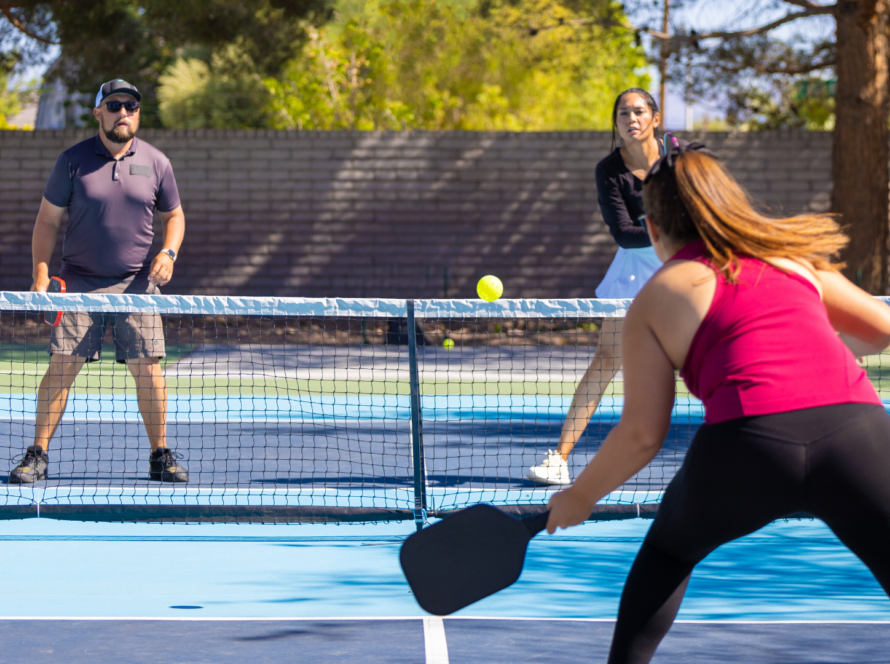
Pickleball is easy to love—and hard on shoes. If you’ve watched a fresh pair of court shoes go bald in what feels like a handful of sessions, you’re not imagining it. Some courts act like sandpaper, some moves melt rubber, and a few small choices can almost double (or halve) your shoe life.
This guide breaks down exactly what chews up your soles, how different court surfaces compare, which shoe features and models last longer, and the simple maintenance habits that save you money—without sacrificing grip or safety.
Whether you’re a beginner buying your first pair or an intermediate player replacing them too often, you’ll walk away knowing how to match your shoes to your court and your game.

The quick answer: how long do pickleball shoes last?
Shoe life depends on the surface, your movement patterns, and the shoe build. Industry testing and player surveys suggest these ranges:
- 20–35 outdoor hours on raw concrete if you’re a heavy toe-dragger
- 60–90 outdoor hours on cushioned acrylic or for lighter players
- 90–120 hours on indoor hardwood or vinyl
If your toe drags, you play mostly on rough concrete/asphalt, or you store shoes hot in a car, expect the short end of those ranges. Rotate two pairs and care for them well, and you can push to the long end.
The court-surface spectrum: which ones eat soles fastest
Not all “hard courts” are equal. Here’s a practical abrasiveness index (1–10; higher = harsher on shoes):
- 1: Broom-finish concrete (outdoor)
- 2: Rough asphalt / chip-seal blacktop
- 3: Acrylic-painted tennis hard court without cushion layer
- 4: “Open-grade” asphalt with embedded gravel
- 5: Textured sport-tile systems (SnapSport, VersaCourt)
- 6: Acrylic over cushioned base (DecoTurf, Plexicushion)
- 7: Hardwood gym floor (maple)
- 8: Wood-laminate gym floor
- 9: PVC / vinyl multi-purpose surface
- 10: Polyurethane “pulastic” poured floors (soft PE class)
Why the big differences? It comes down to the surface’s roughness profile, friction, hardness, and how much grit it traps. Rougher, harder, grittier surfaces grind and chip rubber faster—especially during stops and toe drags.
Other surfaces you might see (and what they do to shoes)
- Clay (“Har-Tru”) tennis courts strip-lined for pickleball: low outsole abrasion, but grit infiltrates uppers, stains them, and clogs eyelets.
- Indoor acrylic overlays on concrete pads: like outdoor hard court without the sun—still a 7–8 on the scale.
- Carpet-style “tennis-turf” (common in Europe): almost no outsole wear, but you need suction-cup style tread to avoid sliding on sand infill.
What actually grinds your soles: the on-court mechanics
- Static friction in ready stance slowly shears off micro-layers of rubber.
- The split-step “hop” can leave localized burn marks—ever smell hot rubber after a long rally?
- Lateral braking loads your outer forefoot with 2–3× bodyweight; this is the classic first blowout zone.
- Kitchen lunges cause toe drags; without a high-durometer toe wrap, the toe rand can delaminate in under 10 hours on concrete.
- Heat accelerates wear: summer asphalt can hit 120 °F, softening midsoles and reducing outsole tear strength.
- Cold stiffens rubber, increasing brittle chipping along the edges.
The more you brake, cut, and drag on rough surfaces, the faster you grind rubber.
Shoe tech that lasts longer (and what to avoid)
Outsole compound
- Carbon-rubber blends (e.g., Asics AHAR, Adidas AdiWear) last 10–25% longer than natural rubber on concrete.
- Gum rubber is great for indoor grip and gets tackier when warm, but it smears and wears quickly if there’s grit.
Tread geometry
- Herringbone (zig-zag): the all-rounder; funnels dust off on indoor courts and holds edges outdoors.
- Omni-court nubs with a pivot circle: superb court feel on smooth indoor floors, but they trade durability for grip.
- Look for intermittent solid bars or “crash pads” at the big-toe side if you tend to toe-drag.
Midsole and chassis
- EVA foam compresses over time. After 30–40 hours on hard concrete, expect ~15% thickness loss (compression set). Once the cushion flattens, the outsole takes more load and wears faster.
- TPU shank plates keep the shoe from twisting, helping tread wear evenly.
- Very stiff propulsion plates (carbon or Pebax) can focus pressure on tread edges. Outdoors on asphalt, that can mean faster micro-chunking unless tread depth is generous.
Upper package
- Drag-guard wraps (K-Swiss, Babolat) add an extra rubber lip where toe scuffs happen most.
- Welded PU/skin overlays often outlast stitched rands in humid conditions.
- Full-mesh uppers breathe well but can abrade from kicked-up grit. Watch for toe-box wear on rough outdoor courts.
Models worth a look (by surface and budget)
These are consistent performers if you’re prioritizing outsole life and stability.
Outdoor longevity kings (concrete/asphalt)
- K-Swiss Express Light Durawrap
- New Balance X 1007
- Babolat Jet Mach 3 Hard Court
- Asics Gel-Resolution 9 (6-month outsole warranty)
Indoor grip specialists (hardwood/vinyl)
- HEAD Revolt Indoor Pro
- Salming Recoil Strike
- Mizuno Wave Momentum 2
- Wilson Rush Pro Ace Indoor
Budget but durable
- Adidas CourtJam Control 3
- Diadora Blushield Torneo 2
- FILA Volley Zone (pickleball-branded)
If a brand offers a 6-month outsole warranty, it’s usually a sign of a harder-wearing rubber compound that holds up outdoors.
Player and environment factors that double (or halve) shoe life
- Movement style: heel strikers bald the lateral heel first; forefoot strikers shred the outer forefoot and toe.
- Orthotics: can tilt wear to the medial side; check for inside-edge balding.
- Toe-drag habits during dinks and kitchen play are shoe killers; small form fixes and toe caps go a long way.
Cleaning and care that actually help
Follow this simple protocol to keep grit from turning into grinding paste:
- Dry-brush loose sand and grit off the outsole.
- Wash with warm water and mild dish soap. Avoid bleach—it degrades TPU.
- Air-dry out of direct sun; stuff with newspaper to pull moisture.
- Once a month, a thin smear of silicone-based rubber conditioner can restore surface oils and improve tear resistance.
Rotation and storage matter too:
- Rotate two pairs to let midsoles rebound for 24 hours. Players see about 14% longer overall lifespan.
- Don’t cook your shoes in a hot car. UV and ozone degrade rubber and adhesives fast. Store in a dark, ventilated bag at room temperature.
DIY reinforcements that work
- Tuff-Toe, ShoeGoo, or a thin layer of shoe cement on drag zones extends toe life by roughly 40% for habitual scuffers.
- Stick-on polyurethane toe guards add minimal weight and withstand hundreds of toe drags.
- Swap in a PU-gel hybrid insole to reduce peak forces and take pressure off the outsole.
- For dusty indoor courts, use court-grip wipes instead of scuffing your soles for traction.
When to retire your pickleball shoes
Don’t wait for a rolled ankle to tell you it’s time. Use these quick checks:
- Lug depth is under 1 mm at the pivot circle or lateral heel.
- Midsole “fold test”: pinch the sides; if they touch with light pressure, the cushion is cooked.
- Sound test: a hollow “clap” when you land vs a cushioned “thud” means the foam has bottomed-out.
- You slip more on the same court or feel more impact in your heels and arches.
Worn tread isn’t just cosmetic. Data from coaching and insurance groups link it to a notable rise in slip-and-twist ankle sprains. Collapsed midsoles also push load to the plantar fascia, increasing injury risk.
Quick buyer’s checklist (save this for your next purchase)
- Match rubber hardness to surface: softer (55–60A) for indoor, harder (65–75A) for outdoor.
- Tread: herringbone or omni for acrylic/concrete; suction-cup nubs for sport-tile and carpet-style turf.
- Heel-to-toe drop: 4–6 mm keeps you lower and quicker at the kitchen; more than 8 mm encourages heel strikes and skids.
- Lateral stability: look for an outrigger and rubber sidewall wrap if you like to slide into shots.
- Uppers: breathable mesh with an abrasion patch over the big toe is a great outdoor combo.
- Warranty: a 6-month outsole warranty signals a harder-wearing compound if you primarily play outside.
FAQ: Pickleball shoe wear, answered
Q1: Can I use running shoes for pickleball?
A: You can, but it’s not ideal. Running shoes are built for forward motion, not lateral braking. They wear out faster on the edges and offer less side-to-side stability, raising the risk of ankle tweaks.
Q2: What’s the best tread for outdoor concrete?
A: A durable carbon-rubber outsole with a deep herringbone pattern. Look for reinforced toe drag zones if you lunge often at the kitchen line.
Q3: How do I know if my court is “eating” my shoes?
A: If you see rubber dust, hot-rubber smell after play, or rapid balding on the lateral forefoot/heel within a few sessions, you’re likely on broom-finish concrete, rough asphalt, or un-cushioned acrylic (the 8–10 range).
Q4: Do outsole warranties actually matter?
A: Yes. Brands that back a 6-month outsole warranty typically use harder-wearing compounds. If you mainly play outdoors, it’s smart insurance.
Q5: Is clay gentler on shoes?
A: Outsoles last longer on clay, but the grit invades uppers and eyelets. Expect dirty laces, stained mesh, and more frequent cleaning.
conclusion
Courts don’t wear shoes evenly—concrete and rough asphalt can devour soft rubber in weeks, while indoor floors are relatively gentle. Match your outsole and tread to the surface, reinforce your toe-drag zone if needed, rotate and clean your shoes, and store them out of heat and sun. Do that, and you’ll spend more time dinking and less money replacing bald soles.
Want help picking the right pair for your home court? Check our latest shoe reviews and deals to find a model that fits your game and goes the distance.