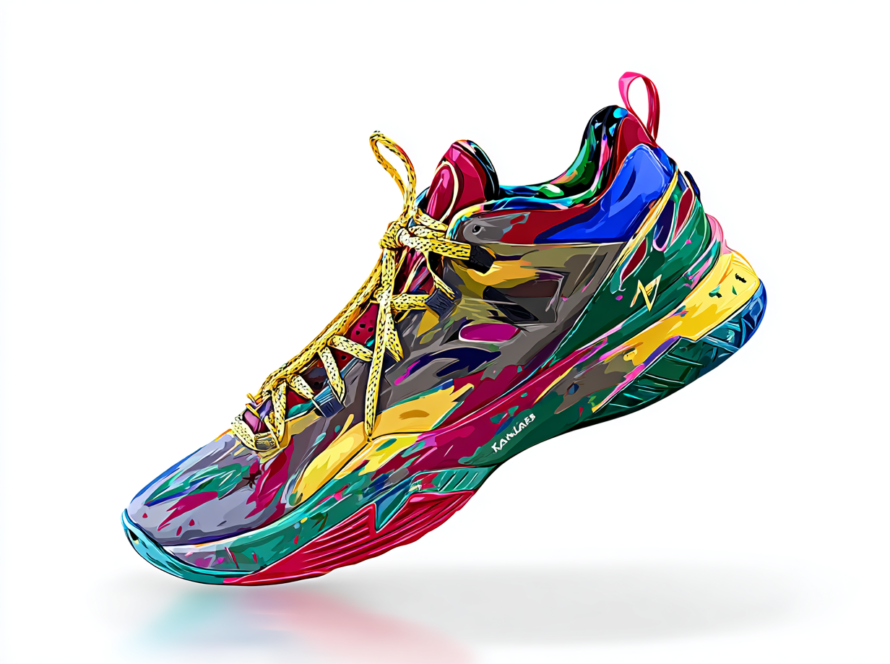
Pickleball is fast, lateral, and addictive—and the wrong shoes can hold you back or even sideline you. The right pair, on the other hand, keeps you quick on split-steps, stable on shuffles, and confident when you plant and change direction.
Here’s why that matters: most acute pickleball injuries start at the foot or ankle, and the average player changes direction every couple of seconds. Purpose-built pickleball shoes reduce the forces that twist ankles and fatigue feet. This guide breaks down what to look for, how to choose indoor vs. outdoor models, and the top picks for 2025—plus fit hacks, maintenance tips, and a one-minute checklist.

Why Pickleball Shoes Really Matter
- Foot and ankle issues account for the majority of acute injuries on court.
- Pickleball’s quick, lateral movements happen nearly twice as often as tennis.
- Proper court shoes can reduce harmful ankle inversion forces versus generic trainers.
Tennis or running shoes aren’t the same as pickleball shoes. Court-specific traction, sidewall support, and torsional stability are your performance and injury-prevention foundation.
What Makes a Modern Pickleball Shoe
The key components (and what they do)
- Upper: Lightweight mono-mesh or engineered knit fused with TPU films—breathable with structured support.
- Heel counter: External heel cups lock your heel to prevent micro-slips.
- Midsole: Cushioned EVA blends; premium foams (TPU pellets, nitrogen-infused, Pebax) add rebound and comfort.
- Mid-foot shank: Carbon/nylon plates for torsional control without extra weight.
- Outsole: Outdoor models use durable carbon rubber with chevron/herringbone tread; indoor models use softer, non-marking rubber for dusty hardwood.
- Toe-drag overlay: Thin TPU guards protect the forefoot if you scrape on dinks and volleys.
- Last/platform: Slightly wider forefoot than tennis to support split-steps and lateral shuffles.
Find Your Foot Type (Quick Self-Audit)
Understanding your foot shape and motion helps you pick the right last, support, and insole.
- Wet-foot paper test: Check arch height (low, medium, high).
- Lace gap test: If you can easily slide two fingers between laces and foot when tied, you likely need a higher-volume shoe or a thicker insole.
- Mirror heel check: Stand on a mirror and look at your heel bone tilt to gauge pronation.
If you over-pronate noticeably, consider a firmer medial post in the shoe or an aftermarket insole (e.g., Superfeet Green, Currex AcePro).
Choose Your Performance Priorities
1) Surface grip
- Multi-court players: Look for dual-compound outsoles (softer perimeter, harder center).
- Indoor pickleball shoes should be non-marking—many gyms check.
2) Cushioning vs. responsiveness
- Heel-to-toe drop sweet spot: 6–8 mm.
- Higher than 10 mm can make crouching feel awkward; lower than 4 mm may stress calves.
- Modern foams can reduce tibial shock versus basic EVA.
3) Torsional stability
- Look for a mid-foot shank or full-length chassis and supportive sidewalls. This curbs foot roll when you plant and push off laterally.
4) Weight class
- Sub-350 g (≈12.3 oz): speed-focused.
- 350–380 g: balanced.
- Over 380 g: maximum cushion/stability.
5) Durability
- Outdoor outsoles: harder rubbers last longer on textured courts.
- If you shred toes on slides or lunges, prioritize a longer toe-drag overlay.
Indoor vs. Outdoor Pickleball Shoes
Indoor (wood/PVC gym floors)
- Non-marking gum rubber with broader contact area for dusty courts.
- Slightly softer foam to reduce “hardwood slap.”
Outdoor (textured concrete/asphalt)
- Denser rubber compounds for abrasion resistance.
- Extended toe-drag protection and UV-resistant glues.
Hybrid options
If you split time indoors and out, consider versatile models: Franklin ACV Pro, Yonex Sonicage 4, or New Balance FuelCell 996 v6 (Pickleball). They blend rubber depths and tread patterns so you don’t need two pairs.
Best Pickleball Shoes 2025: Top Picks
These recommendations balance grip, support, and value for most beginner to intermediate players.
Men’s
- Speed: ASICS Solution Speed FF 3
- Cushion: Diadem Court Burst
- Outdoor Tank: Babolat Jet Mach 3
- Budget: K-Swiss Express Light
Women’s
- Overall: New Balance 996 v6 (available in standard and wide)
- Speed: Mizuno Wave Exceed Tour 6 CC
- Cushion: Skechers Viper Court Pro
- Indoor: HEAD Motion Pro Women
Special Considerations
- Seniors or achy knees: Look for a higher heel stack (≈28 mm+) and gentle rocker to reduce joint load.
- Post-ankle-sprain: Consider mid-cut or strap-equipped models, or pair shoes with a supportive brace (size the shoe accordingly).
- Plantar fasciitis: Seek a beveled heel, a deep heel cup in the insole, and medium-firm midsole foams.
Sizing and Fit Hacks
- Try on at day’s end—feet swell 3–5%.
- Wear your usual court socks; many add 1 mm of forefoot terry.
- Use a runner’s loop (lock-lacing) to tame heel slip without sizing down.
- Orthotics? K-Swiss and New Balance typically leave extra insole volume.
- You want about a thumb’s width of space in front of the longest toe and a secure mid-foot/heel hold.
Maintenance and Replacement Timeline
- Rotate pairs to let foams rebound—can add roughly 30% more life.
- Clean outsoles with mild dish soap to restore tack, especially after dusty sessions.
- Replace around 60–70 court-hours, or when midsole wrinkles compress by half and tread islands flatten.
- For odor control: remove insoles and sprinkle a bit of baking soda with a drop or two of tea-tree oil overnight.
Your 1-Minute Pickleball Shoe Checklist
- Indoor vs. outdoor sole?
- Correct width (D, 2E, 4E)?
- Heel-to-toe drop between 6–8 mm?
- Stack height ≥24 mm if you have knee sensitivity?
- Mid-foot shank or chassis for torsional stability?
- Price per expected hour of use under $1?
- 30-day comfort or fit guarantee?
Common Mistakes to Avoid
- Buying by running or golf brand loyalty—court needs are different.
- Going minimalist—lacks torsional support and raises stress-fracture risk.
- Ignoring outsole wear—once tread flattens, slip risk jumps.
- Wearing black-soled outdoor shoes on indoor hardwood—some clubs prohibit it.
How Reviewers Rate Pickleball Shoes
- Flex mapping: Measures where and how much the shoe bends for quick transitions.
- Lateral stability: Tests resistance to side-to-side collapse under load.
- Abrasion testing: Simulates outsole wear on concrete-like surfaces.
- Breathability scans: Identify hot spots after extended play.
Emerging Tech to Watch
- 3D-printed midsoles that tune rebound by zone.
- Recycled and bio-based foams targeting lower carbon footprints.
- Smart tags that track wear patterns and footwork—useful for replacing at the right time.
A Simple Decision Flow (No Graphic Needed)
- Where do you play most—indoor, outdoor, or both?
- What’s your foot type—neutral, over-pronation, wide/narrow, high-volume/low-volume?
- Pick your priority—grip, cushioning, stability, or speed.
- Set your budget—aim for <$1 per hour of expected use.
- Shortlist 2–3 models per your needs and try them on with court socks.
- Use lock-lacing and test quick shuffles and stops.
- Re-assess after 10 hours—if hot spots persist, swap insoles or try the next model.
Frequently Asked Questions
Q1: Can I wear running shoes for pickleball?
A: Not recommended. Running shoes are designed for forward motion, not lateral stops and starts. Court shoes have sidewall support, torsional control, and traction patterns built for multi-directional play.
Q2: How often should I replace my pickleball shoes?
A: A practical rule is every 60–70 court-hours. If you see flattened tread, deep midsole creasing, or you start slipping more, replace sooner.
Q3: Do I need different shoes for indoor vs. outdoor pickleball?
A: Ideally, yes. Indoor shoes use non-marking gum rubber for dusty floors, while outdoor shoes use harder rubber for abrasive surfaces. Hybrid models exist if you split time.
Q4: I have wide feet. What should I look for?
A: Choose brands with multiple widths (e.g., New Balance) or wide-specific models (FitVille). Also look for a slightly wider forefoot last and consider higher-volume uppers if your instep is tall.
Q5: Are ankle braces a substitute for stable shoes?
A: Braces help after injuries, but they’re not a replacement for a supportive shoe with a shank and firm sidewalls. If you brace, size the shoe accordingly and re-check fit.
CONCLUSION
Your pickleball shoes are your most important piece of gear after the paddle. Match the outsole to your court, pick a cushioning and stability profile that fits your foot type, and use the quick checklist before you buy.
If you’re choosing today, start with the top picks above—then dial fit with lacing and sock choice.