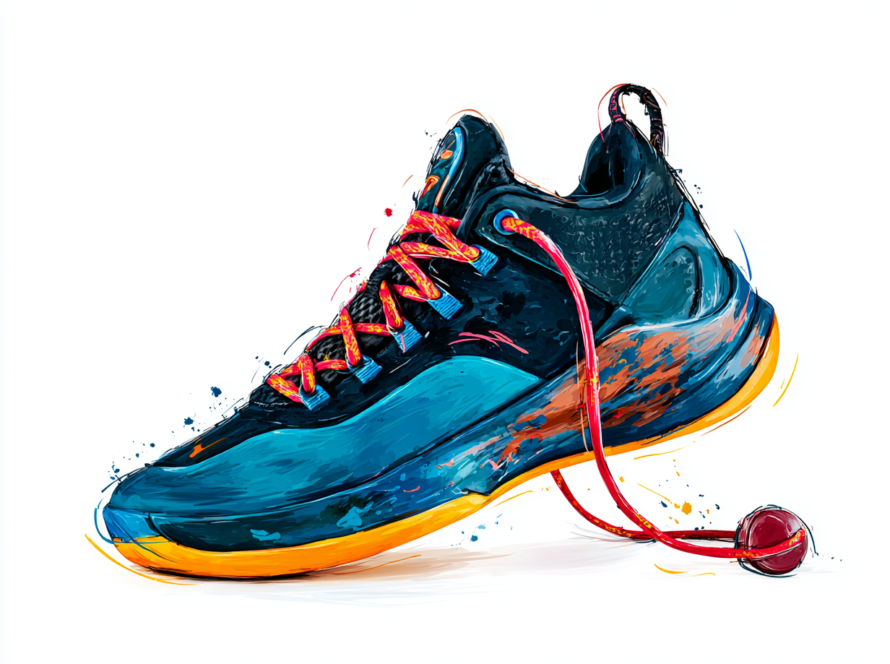
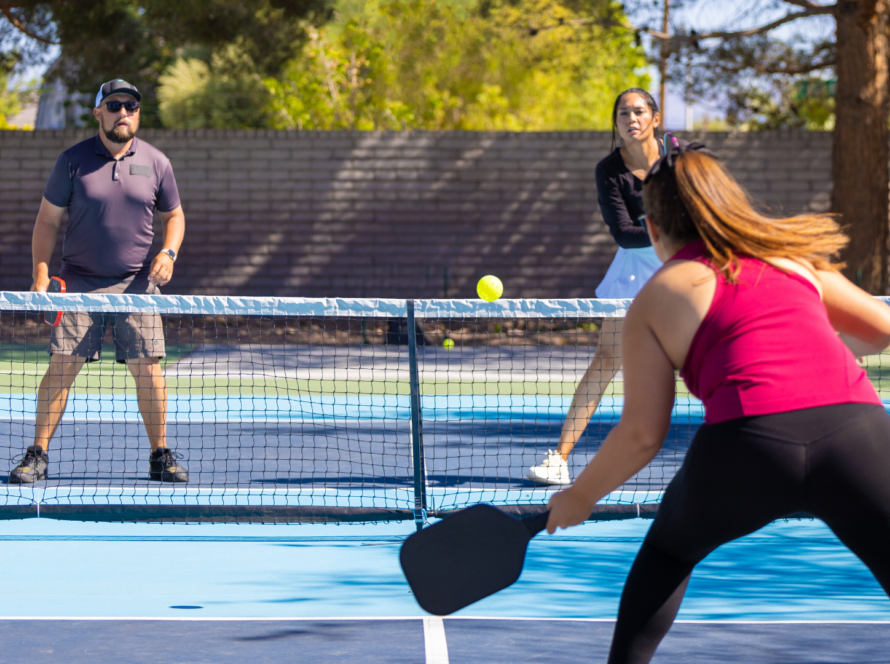
Pickleball looks simple—until you try to stop on a dime, recover for a dink, then explode into a lateral cut. In a single 30-minute match, a typical player racks up 300+ side shuffles, 80+ split-steps, and dozens of abrupt decelerations. That’s a lot of load on your feet, ankles, and knees.
This guide breaks down what to look for, how to match shoes to your court and foot type, and the top models worth trying. Whether you’re just getting started or leveling up, you’ll leave knowing exactly how to choose the right pickleball shoes with confidence.

Why Pickleball-Specific Shoes Matter for Stability and Injury Prevention
- Lateral moves dominate pickleball. Court shoes are built with side-to-side stability, while running shoes are designed mainly for forward motion.
- Peak ground-reaction forces can reach 3–4x body weight during hard cuts. You need a firm base, a locked-in heel, and a supportive mid-foot.
- Facility rules increasingly require non-marking soles indoors and court-specific outsoles outdoors to protect surfaces and reduce liability.
Bottom line: Proper pickleball shoes boost performance and cut injury risk far more than most players realize.
The Seven Performance Pillars of High-Performance Pickleball Shoes
Think of these as an integrated chassis—remove one, and overall stability suffers.
- Anatomically engineered upper (fit + hold)
- Engineered mesh with TPU overlays or knit variants secure the foot without hot spots.
- Internal straps, ghillie eyelets, or mono-sock booties improve mid-foot lockdown.
- Rigid heel counter (“heel claw”)
- A firm heel counter resists collapse during quick stops.
- External TPU clips widen your rearfoot base for extra stability.
- Mid-foot torsion shank/plate
- TPU or carbon-reinforced plates limit arch collapse and guide flex at the ball of the foot.
- Helps relieve strain that can contribute to plantar fasciitis.
- Lateral outriggers or sidewalls
- A wider, flared platform resists ankle roll-overs on aggressive lateral cuts.
- Shock-attenuating yet responsive midsole
- Materials include EVA, PU, ETPU pellets (e.g., BOOST), nitrogen-infused foams, and super-critical EVA.
- Dual-density setups (firmer outside, softer inside) blend agility with cushioning.
- Purpose-built outsole (traction pattern + rubber compound)
- Court-specific patterns (herringbone, pivot circles, hex/wave) and premium compounds deliver grip without stick-and-twist torque.
- Reinforcement zones (toe-drag guard, medial wrap)
- High-abrasion overlays at the toe and medial side protect high-wear areas and add structure.
Quick Model Callouts for the Pillars
- Heel/lockdown stars: adidas Barricade 13, Nike GP Challenge 1
- Torsion support: Fila Axilus Energized 2, Wilson Rush Pro Ace (4D-Support)
- Durable outsoles: Skechers Viper Court Pro (Goodyear), Babolat Jet Mach 3 (Michelin)
Indoor vs. Outdoor Pickleball Shoes: What Changes and Why
Indoor (wood or smooth acrylic)
- Non-marking, tackier “gum” rubber for instant stops and quick pivots
- Softer midsole is OK due to lower abrasion
- Too much grip outdoors can torque knees—avoid using indoor gum rubber outside
Outdoor (textured acrylic, concrete/asphalt)
- Harder, abrasion-resistant rubber to handle rougher surfaces
- Slightly firmer midsoles extend life and reduce bottoming out
- Extra ventilation helps in heat and sun; UV-resistant fabrics are a plus
Rule of thumb: If you play mostly outdoors, buy outdoor-specific shoes. If you split time, choose a hybrid/all-court model with a standard herringbone tread.
Find Your Best Fit: Foot Type, Width, and Sizing Tips
- Arch height: Flat feet often benefit from models with pronounced medial support or the ability to swap in orthotics (look for removable insoles).
- Pronation/supination: Most court shoes provide mild pronation control to keep you centered during slides and cuts.
- Width and toe room:
- Measure both feet at the end of the day (feet swell).
- Aim for about a half-thumb of space in front when standing.
- Sizing quirks worth noting:
- ASICS tends to run half-size small
- New Balance and Yonex generally run true
- K-Swiss can feel slightly long
- Wide options: New Balance (D, 2E, 4E), K-Swiss “Roomy Toe” last; Salming runs more narrow
Pro tip: Don’t size up for toe room—that risks heel slippage. Get the right width instead.
Cushioning, Weight, and Ride Height: Feel Fast Without Losing Support
- Weight benchmarks (men’s US 9 / women’s US 7):
- Super-light (≤ 11 oz): Babolat Jet Mach, Wilson Kaos Mirage
- Balanced all-court (11–13 oz): K-Swiss Express Light PB, Skechers Viper Court Pro, ASICS Gel-Game 9
- Max-support (13–15 oz): adidas Barricade 13, Nike GP Challenge 1, HEAD Revolt Evo 2.0
- Energy tip: Every extra ounce per shoe can raise energy cost by ~1% over 30 minutes. But don’t chase lightness at the expense of lateral stability.
Break-In, Maintenance, and Shoe Life: Make Performance Last
Break-in tips
- Start with a 15–20 minute light session to check for hot spots.
- Mild collar stiffness is normal; foam molds after ~2 hours.
- Switching from runners to court shoes? Expect a lower ride and firmer feel the first week.
Maintenance and lifespan
- Replace every 60–70 on-court hours, or sooner if:
- Outsole is balding in pivot zones
- Midsole shows horizontal compression lines
- Heel counter feels soft or collapses
- Rotate two pairs to extend life by roughly 30%.
- Cleaning: Soft brush + mild soap; air dry only (heat can warp glue).
- Storage: Pull insoles to air out; stuff with newspaper to wick moisture.
Sock synergy
- High-needle-count synthetic or merino socks with targeted compression reduce shear and improve fit.
- Top picks: Feetures Elite Max Cushion, Balega Silver, Swiftwick Flite XT.
Common Mistakes to Avoid + Quick Checklist (Printable)
Avoid these
- Choosing solely by weight—stability matters more.
- Wearing outdoor shoes on indoor wood (may mark and slide unpredictably).
- Sizing up for toe room—fix width instead.
- Ignoring lacing technique—use the runner’s loop for better ankle lock.
Quick-buy checklist
- Non-marking outsole (for indoor)
- Broad, low-profile platform
- Firm heel counter
- Mid-foot shank/torsion bar
- Lateral overlays/outriggers
- Dual-density or responsive foam midsole
- Reinforced toe drag guard
- Breathable engineered mesh
- Removable insole (orthotic-friendly)
- Matches your width and arch type
- Weight sweet spot (generally <13 oz men / <11 oz women)
- 60-day return window
Frequently Asked Questions
Q1: Can I just wear running shoes for pickleball?
A: You can, but it’s not ideal. Running shoes are built for forward motion and softer landings, not lateral stability. Court shoes reduce roll-over risk and improve traction for side-to-side moves.
Q2: How do I know if I need wide shoes?
A: If your forefoot feels cramped, you see bunion irritation, or you get numb toes after 20–30 minutes, try wide options. Brands like New Balance offer D/2E/4E, and K-Swiss has roomier toe boxes.
Q3: What outsole pattern should I choose?
A: Herringbone or herringbone-plus-pivot works well for most players and surfaces. Go gum rubber indoors for grip; choose harder, abrasion-resistant rubber outdoors for longevity.
Q4: How long should a pair last?
A: Around 60–70 on-court hours for most players. Heavy sliders or outdoor-only play may shorten that. Rotate pairs and keep them clean to stretch the lifespan.
Q5: I have plantar fasciitis—what should I look for?
A: A supportive heel counter, a defined mid-foot shank/plate, and the ability to use custom orthotics. Try models with firmer midfoot support and moderate cushioning (avoid overly soft, unstable foams).
Conclusion
Great pickleball shoes do three things: lock your foot in, support lateral moves, and grip the court without grabbing too hard. Match your pair to your surface (indoor vs. outdoor), your foot shape, and your support needs—and your movement, comfort, and confidence will jump quickly.
Next step: Use the Quick-Buy Checklist above to compare your top 2–3 picks. If you play mostly outdoors, start with Skechers Viper Court Pro or Babolat Jet Mach 3; for indoor courts, try ASICS Gel-Renma or Salming Viper SL. Lace up right, break them in with a short session, and enjoy smoother splits, cleaner stops, and fewer aches after you play.