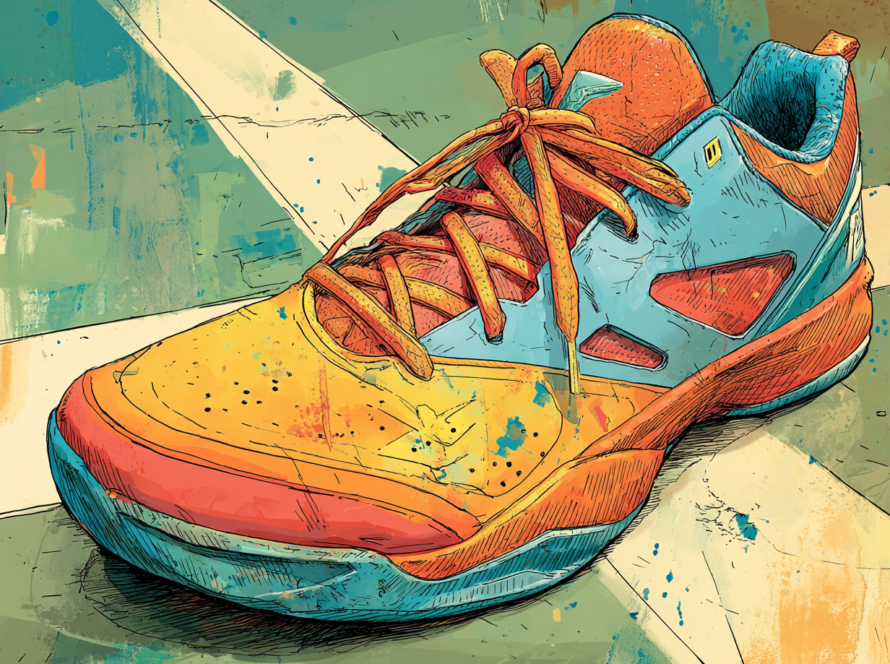
If you’ve ever stepped onto a freshly waxed gym and thought, “Why do my trusty outdoor shoes feel like skates?” you’re not imagining it. Wood gym floors are a different surface altogether. They reward quick feet but punish the wrong outsole with slips, scuffs, and sore joints.
The fix is simple and impactful: wear indoor, non-marking pickleball shoes built for wood. Below, you’ll find our lab-vetted picks for 2025, plus the key features to look for, fit and care tips, a quick-pick guide by play style, and answers to common questions.

Why Wood Gym Floors Need Different Pickleball Shoes
- Lower friction than outdoor courts: Maple sports floors typically offer less dry grip than acrylic outdoor surfaces. That’s why some outdoor rubber compounds can “skate” indoors, especially on fresh finish.
- Non-marking is mandatory: Gym floors are sealed with polyurethane, and dark scuffs can embed into that finish. Most facilities and leagues require non-marking soles—and USA Pickleball backs that up with the “non-marking only” rule for indoor play.
- Different abrasion dynamics: Smooth wood relies on rubber shear for traction. Outdoor shoes can wear faster on wood and still slide more than a true indoor compound.
Choose a soft, non-marking rubber made for indoor courts and a tread that grips in every direction.
What to Look For in Indoor Pickleball Shoes
Outsole and Traction
- Go for natural gum rubber or translucent “indoor” rubber (often softer and tackier).
- Tread that works: multidirectional herringbone, circular pivot zones, or small “suction” pods help you stop and go without catching.
- Rounded edges and split outsoles smooth out lateral movements and reduce “catch-and-roll” ankle scares.
Cushioning Stack and Heel Drop
- Sweet spot: roughly 14–17 mm in the forefoot and 21–25 mm in the heel (6–9 mm drop).
- Choose resilient foams (EVA blends, TPU bead foams, PEBAX-style tech) that bounce back instead of bottoming out.
- Pickleball’s vertical loading indoors is closer to volleyball than tennis, so heel cushioning matters on serves, overheads, and hard landings.
Lateral Support and Stability
- Look for outriggers (flared sides), rigid heel counters, and an internal shank or chassis. They keep your foot planted during hard lateral cuts.
- A higher eyelet count (6–7) and firm heel cup can reduce inversion sprain risk compared to running shoes.
- If you’ve rolled an ankle before, a wider platform or models with external support features can help.
Upper and Insole
- Breathable mesh or knit reinforced with TPU overlays gives durability without hot spots.
- Reinforced toe-drag zones are great if you slide your lead foot on dinks and volleys.
- Removable insoles (4–5 mm) leave room for custom orthotics and improve moisture control.
Best Pickleball Shoes for Wood Courts (2024–25)
Weights and prices are approximate and based on common men’s/women’s sizes.
Premium All-Rounder — Diadem Court Burst | 14.4 oz | $150
Gum rubber outsole, supportive sidewall cage, and a balanced cushioning system. Excellent arch support and clean non-marking performance. Fit: narrow-to-medium.Value & Featherweight — K-Swiss Express Light | 9.3 oz | $105
Translucent indoor-friendly rubber with a flexible chassis. Fans love the roomier toe box. Vent ports keep things airy but can let grit in—keep these as indoor-only.Best True Indoor Specialist — HEAD Motion Pro | 12.2 oz | $150
Designed with squash athletes in mind (translation: quick feet on slick wood). Non-marking rubber, rounded heel, and a supportive, wraparound upper for smooth deceleration.Most Durable — SQAIRZ XRZ 2025 | 15.8 oz | $160
Tough polyurethane outsole, wide stable platform, and lock-in lacing. A confidence-boosting option for players who want maximum security and longevity.Best Wide-Foot Option — FitVille Amadeus Court | 14.0 oz (2E) | $70
Available in 2E and 4E with a wide outrigger for stability. Excellent value; expect slightly faster outsole wear due to the softer indoor compound.
Quick Picks by Play Style
| Need / Play Style | Top Choice | Runner-Up |
|---|---|---|
| Lightweight speed | K-Swiss Express Light | Adidas Stabil Next Gen |
| Plush cushioning | Mizuno Wave Momentum 3 | Skechers Viper Court Pro |
| Maximum durability | SQAIRZ XRZ | Tyrol Striker Pro V |
| Wide foot | FitVille Amadeus Court | New Balance 1007 |
| Women-specific | ASICS Gel-Rocket 11 (W) | Diadem Court Burst |
| Ankle security | SQAIRZ XRZ | HEAD Motion Pro |
Fit and Sizing Tips That Make a Difference
- Measure at day’s end: feet swell 4–6% after hours on your feet.
- Length rule: longest toe plus about 6 mm. Too much length invites toe jam and sliding on stops.
- Heel hold test: with shoes laced, slide a finger down behind your Achilles. You want light pressure—no biting, no lift.
- Orthotics users: look for removable 4–5 mm insoles (Diadem, SQAIRZ, FitVille). Thin, glued-in liners leave little volume.
Care, Maintenance, and Facility Rules
- Keep an “indoor-only” kit: brush soles after play, store shoes in a breathable bag, and air-dry fully. Closed, damp bags can breed odor-causing bacteria fast.
- Wash laces and insoles monthly; replace insoles about every two shoe lifecycles.
- Replace shoes when pivot-point tread is ≤0.5 mm (often 60–75 indoor hours for league players).
- Confirm “non-marking” on the outsole or spec sheet. Clear/translucent rubber is usually safe; darker solids can be hit-or-miss.
- Many schools and rec centers ban outdoor shoes on wood. Bring a clean pair so you’re not stuck watching.
Injury-Prevention Notes
- Plantar fasciitis or sensitive arches: aim for at least a 6 mm drop and a supportive arch plate (Diadem Court Burst, HEAD Motion Pro).
- Touchy Achilles: consider lower drop with a slight rocker and smooth heel transitions (Adidas Stabil, Mizuno Wave Luminous family).
- Ankle sprain history: look for an external outrigger, a wider base, or a higher collar (SQAIRZ, Tyrol). Lace-up braces work best with deeper tongue gussets (FitVille, select ASICS court models).
Price vs. Value: What You’ll Really Spend
Don’t judge by sticker price alone. Think cost per hour:
- A $90 shoe that lasts 90 hours = $1.00/hour
- A $150 shoe that lasts 160 hours = $0.94/hour
A better-built shoe often costs less over its life and keeps you safer and more consistent on court.
FAQ
Q1: Are volleyball shoes good for pickleball on wood?
A: Yes—many volleyball shoes use non-marking gum rubber and prioritize lateral stability and cushioning for indoor jumps and cuts. Models like the Mizuno Momentum 3 or ASICS Gel-Rocket 11 translate well to pickleball.
Q2: Do I really need “non-marking” soles?
A: Absolutely. Most gyms require it to protect the floor’s finish, and indoor pickleball organizers often enforce the rule. Non-marking rubber also tends to grip better on finished wood.
Q3: Can I use my outdoor pickleball shoes indoors?
A: You can, but it’s not ideal. Outdoor compounds are firmer and can slide more on wood. They may also abrade faster and track in grit that increases slip risk—and some may scuff the floor.
Q4: How long should indoor shoes last on wood floors?
A: For regular league play, expect roughly 60–120 hours depending on your shoe’s rubber compound, your movement style, and body weight. Replace when pivot-point tread is shallow or you notice more sliding.
Conclusion
Wood gym floors reward the right footwear. Choose a non-marking gum-rubber outsole, multidirectional tread, and stable chassis that supports quick lateral moves. For most players, the Diadem Court Burst (premium balance), K-Swiss Express Light (featherweight value), or HEAD Motion Pro (true indoor specialist) will feel like an instant upgrade.
Make the switch to a dedicated indoor pair, keep them clean, and you’ll grip better, protect your joints, and preserve the floor.