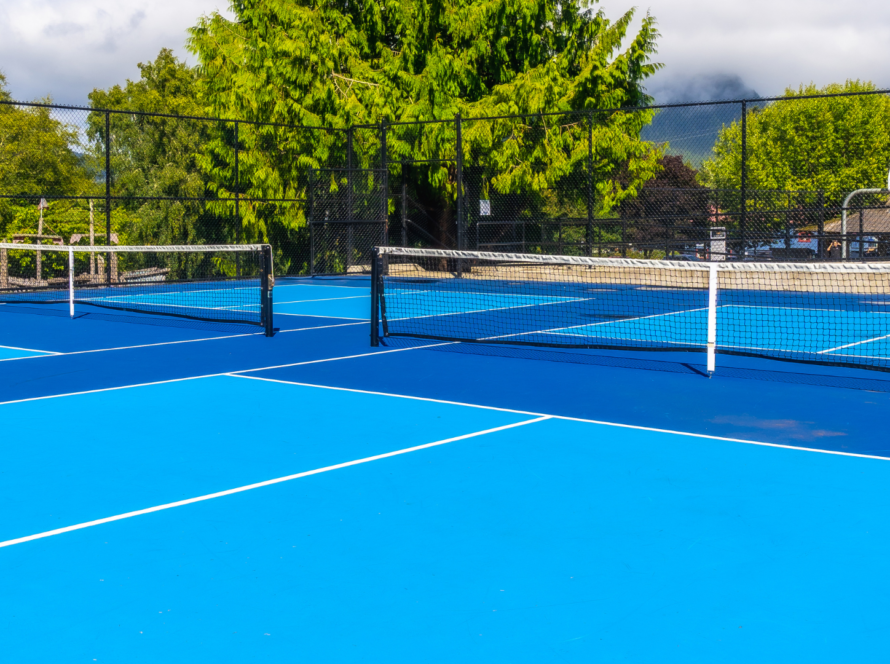
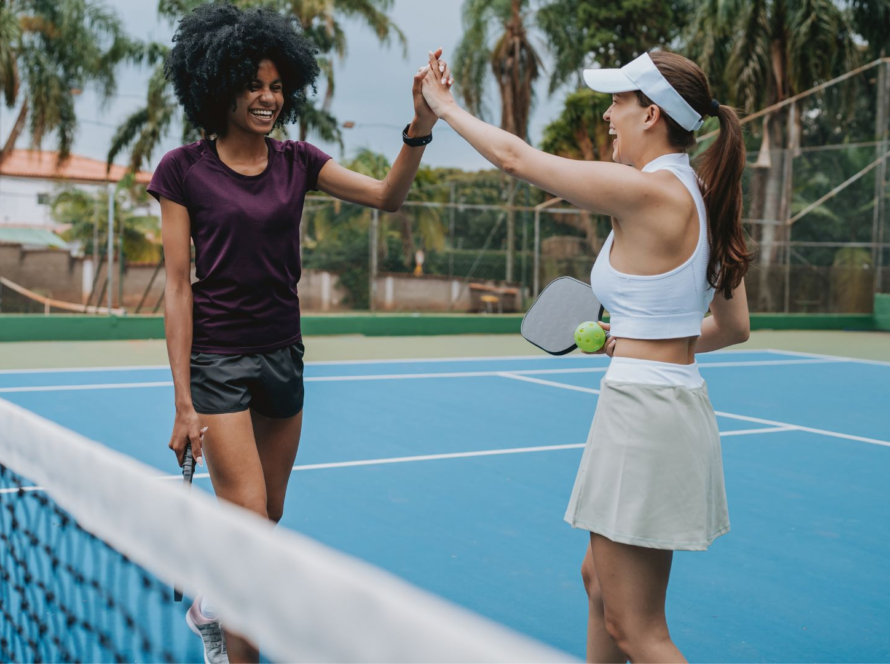
If you’ve ever slid through a kitchen dink or felt your ankles wobble on a hard push-off, you already know: the right pickleball shoes matter. They’re not just “any sneakers.” The best pickleball shoes are built for quick starts, split-steps, lateral shuffles, and controlled pivots—all while protecting your feet and joints.
This guide breaks down indoor vs. outdoor soles, fit and sizing, injury-preventing features, and the models players are loving. Whether you’re buying your first pair or upgrading from running shoes, you’ll walk away knowing exactly what to look for.

Pickleball Shoes 101: What Makes Them Different?
Pickleball shoes borrow from tennis, volleyball, and handball—but they’re tuned for pickleball’s stop/start rhythm and quick lateral work. Key benefits to look for:
- Court-specific rubber compounds
- Outdoor: harder, high-carbon rubber resists abrasion from asphalt/acrylic courts.
- Indoor: soft, non-marking gum rubber grips painted gym floors without scuffing.
- Pivot zones and drag guards
- Reinforced toe wraps and denser rubber under the medial forefoot handle toe-drags during dinks and resets.
- Circular pivot points under the ball of your foot reduce torsional stress on knees.
- Lock-down lacing systems
- Webbed/ghillie lacing, internal booties, and mid-foot straps keep your foot planted during split-steps.
- Fast break-in
- Modern knit or engineered mesh uppers mold to your foot in 1–2 hours (not 4–5 sessions like many tennis shoes).
A few trade-offs to keep in mind:
- Shorter lifespan vs. tennis shoes
- Softer midsoles feel great but often fatigue around 50–70 on-court hours; many tennis models last 80–100.
- Ventilation
- Indoor gum-rubber wraps can run warmer; outdoor models with perforated sidewalls breathe better.
- Odor control
- Synthetic overlays + sweat can build bacteria. Consider ventilated bags or UV stuffers to keep shoes fresh.
Indoor vs. Outdoor Pickleball Shoes Explained
Picking the right sole for your surface isn’t optional—it’s the difference between confident footwork and avoidable slips.
- Indoor courts (hardwood, polyurethane, PVC tiles)
- Best: tacky, non-marking gum rubber with fine siping for maximum grip without “biting” too hard.
- Why it matters: aggressive outdoor herringbone can grip too sharply and stress knees on sticky gym floors.
- Outdoor courts (asphalt or concrete with acrylic finish)
- Best: thicker, high-carbon rubber with deeper herringbone to shed dust and survive rough surfaces.
- Why it matters: softer indoor rubber can wear bald in a weekend outside.
Quick rules of thumb:
- Don’t wear indoor gum rubber outdoors—it will vaporize on rough acrylic.
- Outdoor soles indoors may squeak and can scuff floors (some facilities ban them).
- USA Pickleball requires non-marking soles for sanctioned indoor events (Rulebook §2.E.6).
Fit & Sizing: Get It Right the First Time
A good fit is your best “performance upgrade.”
- Heel-to-toe drop: most pickleball shoes sit at 4–8 mm (lower than 10–12 mm running shoes) for better balance and court feel.
- Sizing tips
- Aim for a thumb’s width from your longest toe to the front. Too snug can mean black toenails on lunges.
- Width and toe boxes
- Wide-friendly brands: Acacia (ARK wide toe box), K-Swiss Supreme, New Balance 996 v5.
- Orthotics and insoles
- Look for removable full-length liners to fit custom orthotics.
- Popular OTC upgrades: Superfeet Carbon, Currex AcePro, PowerStep Pinnacle.
- Lace like a pro
- Use the runner’s knot (lace-lock) to stop heel slippage during split-steps.
Top Picks by Player Type and Budget
These are popular and proven options based on performance, comfort, and value.
Beginner (2.5–3.0): Comfort and Price
- Asics Gel Resolution 9 (budget indoor)
- Good grip, easy break-in, wallet-friendly.
- Skechers Viper Court Elite
- Cushioned ride with a stable base; great first “real” pickleball shoe.
Competitive Rec (3.5–4.0): Speed, Grip, Support
- K-Swiss Express Light (outdoor)
- SurgeLite midsole, 180 PSC support chassis, DragGuard toe wrap—quick and supportive.
- Babolat Jet Mach 3 All-Court
- Light, locked-in feel; MatryxEvo upper blends Kevlar/PET for stability.
Seniors or Cushion-First Players: Comfort and Injury Prevention
- Tyrol Drive V Pro
- Dual-density EVA/PU midsole, wide stable base; great shock absorption.
- Wilson Rush Pro Ace
- Roomier fit, Endofit interior sock, Duralast outsole for predictable grip.
Wide Feet
- Acacia ProShot / Dinkshot II (indoor)
- ARK wide toe box, cork insole wicks sweat; pickleball-specific fit.
- K-Swiss Supreme, New Balance 996 v5
- Extra forefoot room without sloppy lockdown.
Budget (under $80)
- Asics Upcourt 5 (indoor)
- Avia Avi-Solstice (entry-level)
Replacement Schedule: When to Retire Your Pickleball Shoes
Don’t wait for pain to tell you your shoes are done. Watch for:
- Midsole creases deeper than 1 mm—cushioning has likely collapsed.
- Outsole wear: if tread is smooth under the big toe or lateral heel, traction is compromised.
- Hours on court: with 3 sessions/week at 2 hours each, budget for two pairs per year.
Budget vs. Premium: Is the $160 Shoe Worth It?
It depends on your priorities.
- Choose budget if you’re new, play once a week, or still learning movement patterns. Look for solid grip and basic stability.
- Choose premium if you play 3x/week+, want lighter and quicker transitions, and value features like advanced lockdown, better toe-drag protection, and longer-lasting rubber.
If you split time indoor/outdoor, investing in two purpose-built midrange pairs often beats one pricey “do-it-all” shoe.
Sustainability: End-of-Life Options
Court shoes aren’t landfill destiny:
- Nike Grind and New Balance Recycle & Reuse accept athletic shoes (including pickleball) for shredding into playground or surface materials.
- Watch for low-CO₂e initiatives from major brands; some have teased ultra-low emissions court models, though true pickleball-specific versions are still emerging.
FAQ
Q: Can I just wear volleyball shoes for pickleball?
A: Indoors, yes—traction patterns and gum rubber are similar. Outdoors, no—the soft rubber will wear out quickly on acrylic/asphalt.
Q: Do I need to break in pickleball shoes?
A: Most engineered mesh models feel right within 1–2 hours. Leather-heavy uppers may take ~5 hours.
Q: Are carbon-plated pickleball shoes legal?
A: There’s no rule banning them currently, but there aren’t any pickleball-specific plated models yet. Plates may raise stack height and reduce stability.
Q: How do I keep my shoes from smelling?
A: Rotate pairs, use moisture-wicking socks, air them out immediately post-play, and consider UV shoe sanitizers or ventilated bags.
Q: What if I use indoor shoes outside or vice versa?
A: Indoor gum rubber will bald fast outdoors; outdoor soles may scuff indoor floors and can be banned. Use the right tool for the job.
The Takeaway
The best pickleball shoes match your surface, fit your foot, and support your movement. Start by deciding indoor vs. outdoor, lock in your sizing and width, and choose a model that fits your play style and budget.
Ready to upgrade? Pick one indoor and one outdoor option from the lists above, try them on late in the day with your game socks, and use the runner’s knot before your next session.
Then get back to the fun part: playing more pickleball.