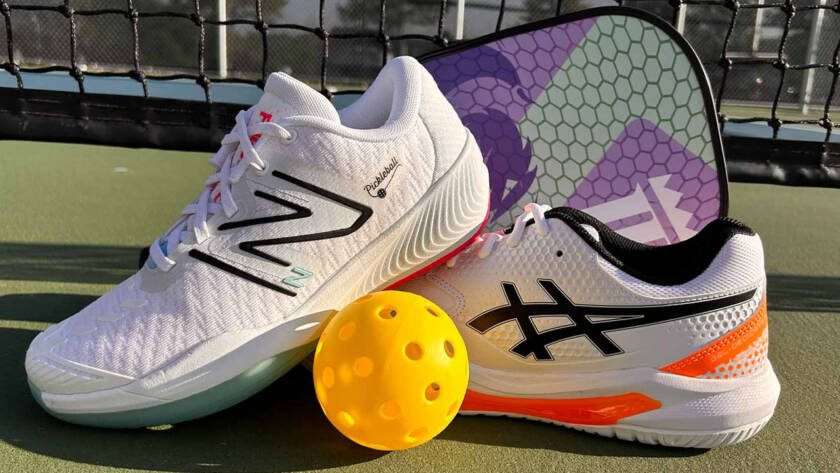
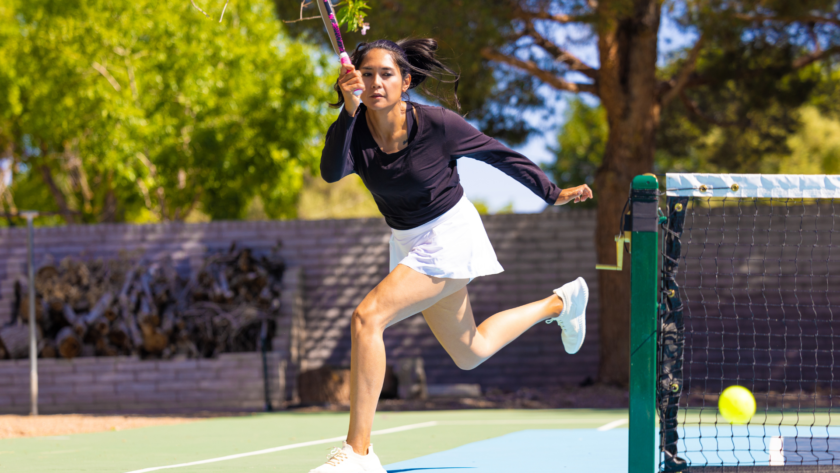
Pickleball is exploding—more than 8.9 million people in the U.S. now play. With all that action comes a harsh reality: foot and ankle issues account for roughly one-third of pickleball injuries that end up in the ER. The good news? The right shoes (and a smart setup) can dramatically reduce your risk while making you feel quicker and more confident.
If you’ve been told “any athletic shoe is fine for pickleball,” consider this your friendly myth-bust. Court movement is different: explosive lateral cuts, abrupt stops, and split-step landings deliver big loads to your feet—especially on hard, outdoor surfaces.
This guide translates the latest sports-medicine insights, podiatry recommendations, and lab data into clear, beginner-friendly advice you can use today.

Why Pickleball Shoes Matter More Than You Think
- Foot/ankle injuries make up about 29–33% of pickleball injuries requiring medical care.
- Over half of players are 45 or older, an age when plantar fat pads thin and ankle mobility can decrease—both of which increase impact stress.
- Every additional 10 lb of body weight can add 30–40 lb of extra impact per stride on a hard court.
- Translation: smarter footwear choices don’t just add comfort—they protect your season.
What Makes a Great Pickleball Shoe?
Lateral stability and ankle containment
- Look for a flared sole or lateral outrigger to resist ankle roll during side-to-side moves.
- A midfoot shank (TPU or carbon) limits torsional twist when you plant and pivot.
- Collar height matters:
- Low-cut = more mobility, less side-to-side restraint.
- Mid-cut = a bit more ankle containment; lab simulations show about a 15% reduction in inversion sprain risk.
Cushioning and midsole materials
- EVA is common, but it softens as it heats up—especially on hot courts—reducing shock absorption after as little as 25 hours in desert climates.
- E-TPU bead foams maintain energy return better over time and can boost long-session comfort.
- Pro tip: Rotate two pairs to let foam rebound between sessions and keep shoe core temperatures lower.
Heel-to-toe drop: find your sweet spot
- A big drop (10–14 mm) can overload the forefoot on sudden stops.
- A very low or zero-drop can spike Achilles tension if you’re used to typical running shoes (8–12 mm).
- Best starting point for most players: 6–10 mm, unless a clinician advises otherwise.
Toe box, toe-spring, and rocker
- Excess toe-spring (upward curl at the toes) can increase pressure under the ball of the foot during split steps.
- A moderate rocker can help propulsion for stiff or arthritic toes—just pair it with good forefoot cushioning.
- Make sure toe-box height is ample to avoid nail trauma; at least ~14 mm over the first met head is a good heuristic.
Weight vs. support
- Ultralight shoes feel quick but may skimp on torsional rigidity and durability.
- Every extra 100 g per shoe increases calf/Achilles workload roughly 1.5% per hour—noticeable across long matches.
- Strike a balance: light enough to move fast, stiff enough to stay stable.
Indoor vs. Outdoor Pickleball Shoes
- Surface compliance: Indoor wood or polyurethane is more forgiving; outdoor acrylic is firmer and more abrasive.
- Outsole rubber:
- Indoor: Slightly softer compounds and flatter traction patterns grip wood without tearing it up.
- Outdoor: Harder, abrasion-resistant carbon rubber (look for Shore A hardness ≥70) stands up to painted concrete.
- Many brands now offer dual-surface models. If you mainly play outside, prioritize durability and lateral stability over ultra-soft grip.
The Sock and Insole Setup That Prevents Blisters and Heel Pain
Socks: your first line of defense
- Choose technical, moisture-wicking socks (polypropylene or merino blends) to cut blister risk by 30–40% vs. cotton.
- Double-layer blister-guard socks or toe socks help disperse shear under the forefoot.
- Light-to-moderate compression crews aid circulation and can reduce post-match swelling for older or heavier athletes.
Insoles and orthotics: dial in support and shock absorption
- Prefab sport insoles ($30–$60) with a deep heel cup and semi-rigid arch can instantly stabilize softer shoes.
- Persistent plantar fasciitis beyond 2–3 weeks despite rest, calf work, and good shoes? Custom semi-rigid orthoses have strong evidence for reducing symptoms.
- Gel heel cups feel cushy but raise heel-to-toe drop. If you add a gel pod in the heel, balance it with a thin forefoot pad to maintain your shoe’s geometry.
Fit, Break-in, and Shoe Life
- Fit tips:
- Thumb’s width of space at the toes.
- Snug midfoot/heel with zero heel slip.
- Enough width to let your forefoot splay without rubbing.
- Break-in: 3–5 hours of light drills. Pain that escalates (rather than improves) is a red flag to stop and reassess.
- Replacement cadence:
- Typical: every 45–60 court hours or every 4–6 months for frequent players.
- Heavier athletes (200+ lb) or desert climates: closer to 35–40 hours.
- Visual checks:
- Deep midsole creasing (>4 mm) or a “thumb test” that collapses >50% under firm pressure = cushioning is done.
- Lacing hack: Use a heel-lock (runner’s loop) to secure your heel and reduce toe bang on quick stops.
Quick Checklist When You’re Shopping
- Lateral outrigger or flared sole edge
- TPU/carbon midfoot shank for torsional control
- Midsole firmness: balanced court feel (Shore C ~50–60 if listed)
- Toe-box height that spares nails and allows splay
- Breathable upper: mesh or knit with real ventilation
- Removable insole (to fit your orthotics or aftermarket insoles)
- Reflective hits if you play under lights
- Outdoor use: harder outsole rubber (Shore A ≥70) for durability
Mini Strength and Mobility Routine That Makes Any Shoe Better
Do these 5–7 minutes daily (or as part of your warm-up):
- Short-foot exercise: 3 × 15 reps. Gently “shorten” your foot by pulling the ball of the foot toward the heel without curling the toes.
- Calf stretch + eccentric heel drops: 2 × 30-second calf wall stretches each side, then 3 × 15 slow heel drops off a step.
- Toe-spread or toe spacers: 1–2 minutes to ease bunion pressure and improve forefoot splay.
These moves reduce plantar-fascia and Achilles load spikes and help your shoes do their job.
Smart Features and New Tech Worth Knowing
- Pressure-mapping insoles show forefoot loads climb ~22% in the final 30 minutes of a long session as midsoles heat up—another reason to rotate pairs.
- Sidewall-embedded fibers (Kevlar/Dyneema) limit lateral stretch without adding weight, improving containment on hard cuts.
- Modern E-TPU bead midsoles maintain higher energy return over time for consistent comfort.
When Foot Pain Means Stop Playing and Call a Pro
Seek medical clearance if you have:
- Midfoot (Lisfranc) pain or swelling
- Persistent soreness along the outside of the foot (5th metatarsal) beyond 5 days
- Burning or numb toes that worsen in tighter shoes (possible Morton’s neuroma)
- Heel pain with tingling (possible nerve entrapment)
Your primary care clinician, sports podiatrist, or physical therapist can rule out serious issues and personalize your footwear and rehab plan.
Fast Buyer Profiles: What Should You Prioritize?
Newer player coming from running shoes
- Look for: 6–10 mm heel-to-toe drop, solid lateral stability, removable insole.
- Avoid: ultra-low or zero-drop until your calves adapt.
Older player with heel or arch discomfort
- Look for: deep heel cup, balanced cushioning (consider E-TPU/PU foams), moderate rocker with forefoot cushioning, compression socks.
- Consider: prefab sport insole; see a clinician if pain persists >2–3 weeks.
Aggressive outdoor player
- Look for: harder outsole rubber (outdoor-rated), midfoot shank, lateral outrigger, durable upper reinforcements.
- Consider: rotating two pairs in hot weather to preserve cushioning.
Wide forefoot or bunions
- Look for: wider last options, generous toe-box height, minimal aggressive toe-spring.
- Consider: toe-spread drills or toe spacers off-court.
FAQs
Q1: Can I play pickleball in my running shoes?
A: You can, but it’s not ideal. Running shoes are built for forward motion, not lateral cuts. Court shoes add side-to-side stability, torsional control, and more durable outsoles—reducing your risk of ankle sprains and toe injuries.
Q2: What heel-to-toe drop is best for pickleball?
A: For most players, 6–10 mm is a safe starting point. Very low drop can stress the Achilles if you’re used to traditional running shoes; very high drop can overload the forefoot during stops.
Q3: How often should I replace my pickleball shoes?
A: Typically every 45–60 court hours or 4–6 months for frequent players. In hot climates or if you’re heavier, plan on 35–40 hours. If cushioning feels flat, traction fades, or your feet start aching sooner in matches, it’s time.
Q4: Do I need custom orthotics?
A: Not always. Many players do well with a quality prefab sport insole. If plantar heel pain persists beyond 2–3 weeks despite good shoes, calf work, and activity tweaks, talk to a clinician about custom semi-rigid orthoses.
Q5: Low-cut or mid-cut—what’s better?
A: Low-cuts are lighter and more mobile. Mid-cuts add a touch of ankle containment, which may help if you have a history of sprains. Fit and stability features matter more than collar height alone.
conclusion
The right pickleball shoes do three jobs: absorb shock, lock your foot onto the platform, and hold up to hard courts. Combine stable court shoes (6–10 mm drop for most), performance socks, and the right insole with a quick daily foot routine, and you’ll feel the difference within a few sessions.
Next steps:
- Use the shopping checklist above and try on two or three models.
- Test them with your game-day socks and any insoles you use.
- Rotate two pairs if you play often, especially outdoors.
- If pain persists, consult a sports podiatrist or PT for a tailored plan.
Play longer. Recover faster. And leave foot pain off the court.