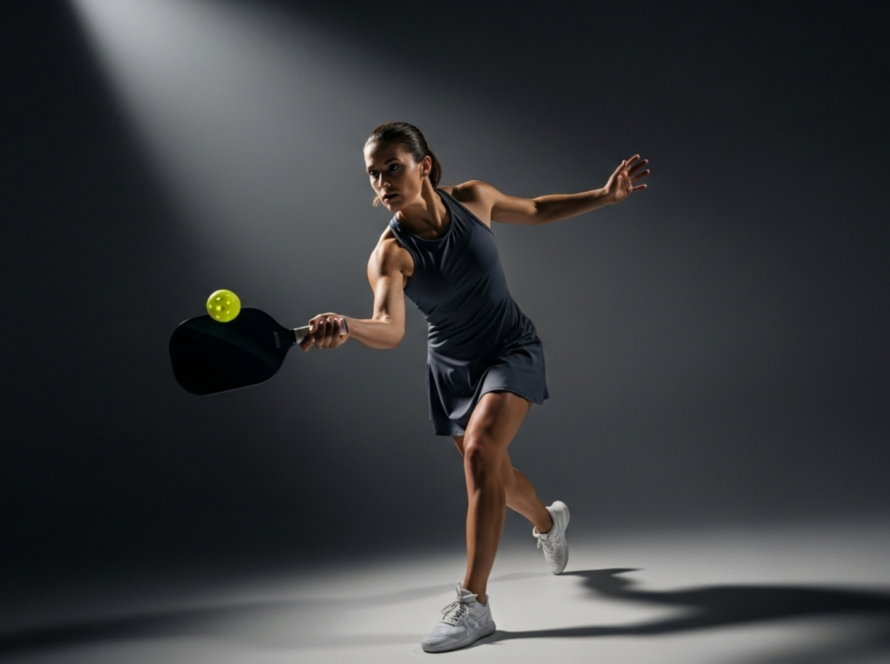
I’ve been spending a lot of time on gritty pickleball courts and baseline-heavy tennis sessions with two ASICS staples on my feet: the budget-friendly Gel-Game 9 and the pro-level Court FF 3. Both are marketed for all-court play, but they deliver very different personalities once the rallies heat up.
If you’re new to court shoes—or simply want something that supports your movement without weighing you down—this review is written with you in mind. I’ll translate the tech talk into what you’ll actually feel underfoot, how each shoe behaves during stops and slides, and who should save the money versus who should invest in the premium build.

Meet the shoes (and the price pyramid)
Think of ASICS’ lineup like a ladder:
- $90 Gel-Game 9: entry-level, all-court, breathable mesh, EVA foam, forefoot GEL, TRUSSTIC shank.
- $120 Game FF Pickleball (women only in the U.S.): a “takedown” of the FF series—lighter upper, FlyteFoam + TWISTRUSS.
- $170 Court FF 3: flagship stability and cushioning, FlyteFoam + dual GEL, TWISTRUSS plate, Mono-Sock bootie, AHARPLUS outsole.
In plain terms, the Gel-Game 9 is your easygoing, flexible starter shoe. The Court FF 3 is your locked-in, stable, slide-friendly performer. The Game FF Pickleball sits between them as a niche option with FF DNA at a lower price.
Fit and feel: what your foot notices on day one
The first time I slipped on the Gel-Game 9, I got that “slipper-like” comfort right away. The upper is an open mesh with PU films; it feels soft and airy with a plush tongue. The heel counter is narrow and secure (great if you’ve got slim ankles). The forefoot runs medium, and the instep can feel a touch snug since the overlays don’t stretch much. Translation: true-to-size works for most, but if you’re between half sizes, go up.
The Court FF 3 is different: that Mono-Sock bootie hugs you like a sock, making entry snug (use a shoehorn the first few times). Once you’re in, it’s surprisingly roomy up front—more forgiving than many “pro” shoes—while still holding the midfoot steady. If you wear thick orthotics, try before you buy; the bootie leaves less room for high-volume inserts.
Quick sizing tip:
- Between half sizes? Go up in Gel-Game 9, stay true in Court FF 3.
- Orthotics? Gel-Game 9 has a removable insole. Court FF 3’s is glued; low-volume inserts can sit on top, but ripping it out can void warranty.
On-court performance: four pillars that matter
1) Traction and slide control
If you’re a stop-on-a-dime player, the Gel-Game 9 is your friend. Its flex grooves bite the court quickly and halt momentum fast—awesome for beginners learning efficient footwork and anyone who wants that immediate “grab” when changing directions.
The Court FF 3 is engineered for controlled sliding. The rounded medial edge and split outsole let you initiate a small, predictable slide on gritty hard courts—a big plus if you’re an intermediate pickleballer who slides into the kitchen or a tennis player who recovers with mini-slides. It’s not “ice rink” slippery; it’s a glide you can trust.
What it means for you:
- Prefer clean stops and quick starts? Gel-Game 9.
- Want to incorporate safe, controlled slides? Court FF 3.
2) Stability and support
The FF 3 earns its reputation here. The TWISTRUSS plate underfoot limits torsional twist significantly (lab tests show about half of what the average tennis shoe allows). On court, it feels like a wide, planted base that helps you stay upright when you’re stretched out wide.
The Gel-Game 9 is stable for its weight class. The heel counter is excellent, but the mesh forefoot can bulge if you really yank it on an aggressive cut. Recreational players won’t notice this much; heavier or more powerful movers might.
What it means for you:
- History of ankle wobbles or playing at a faster pace? Court FF 3 is the safer bet.
- Recreational pace, learning proper footwork, or under 3 hours a week? Gel-Game 9 is plenty.
3) Cushioning and ride
Both shoes share an 8 mm heel-to-toe drop, so transitions feel natural if you’re coming from running shoes. The difference is in the foam and GEL setup:
- Court FF 3 uses FlyteFoam plus GEL in both heel and forefoot. It rebounds more (think “trampoline-lite”), which takes the sting out of long sessions and hard landings. Players over ~180 lb or anyone with cranky joints tend to prefer this.
- Gel-Game 9 sits closer to the court with an EVA-based midsole and forefoot GEL. It’s not harsh—just simpler. You feel the ground more, which many beginners actually like because it helps balance and quick foot placements in the kitchen.
What it means for you:
- Want plush, joint-friendly impact protection? Court FF 3.
- Want court feel and a lightweight, nimble ride? Gel-Game 9.
4) Breathability and heat
Hot feet? The Gel-Game 9 breathes better. The open mesh upper vents heat efficiently. The Court FF 3’s bootie can run warm in the first hour until it breaks in, especially indoors. Not a dealbreaker, but noticeable if you run hot.
Break-in: short and sweet
- Gel-Game 9: Basically none. I’d still do a light hit for 20–30 minutes to loosen the shank before a league night.
- Court FF 3: Softer out of the box than many stability shoes. The bootie molds after 1–2 sessions. The base feels ready on day one—no heel wobble, no “tippy” feel.
Durability and value: how long do they last?
On abrasive hard courts:
- Gel-Game 9: roughly 45–60 hours before balding through the tread.
- Court FF 3: around 70–90 hours, plus better toe-drag resistance and harder rubber (AHARPLUS).
If you’re doing the value math:
- Gel-Game 9 (~$90): about $1.50–$2.00 per court hour.
- Court FF 3 (~$170): about $1.89–$2.43 per hour.
So while the FF 3 costs more, its lifespan narrows the gap. Note: the FF 3 does not carry ASICS’ 6-month outsole guarantee—that belongs to the Gel-Resolution 9. If maximum outsole hours are your number-one priority, the GR9 is the ASICS model to look at.
Noise note: The Gel-Game 9 chirps more on indoor PVC courts; the FF 3’s rounded edges squeak less. Minor, but some players care.
Who should buy which?
Buy the ASICS Gel-Game 9 if you:
- Are new to tennis or pickleball, or play less than 3 hours per week.
- Want a flexible, light, breathable shoe under $100.
- Prefer quick stops over controlled slides.
- Have average-width feet; you like instant comfort and minimal break-in.
Buy the ASICS Court FF 3 if you:
- Play faster, slide sometimes, or want max lateral and torsional stability.
- Weigh more than ~180 lb or want premium cushioning for longer sessions.
- Have wider feet or dislike tongues that bunch; the bootie feels seamless.
- Don’t mind paying $170 for an almost pro-level experience.
A quick word on the “Game FF” Pickleball model
If you see “Game FF” on retailer sites, know this: the women’s Game FF Pickleball is essentially a simplified Court FF 2—FlyteFoam and TWISTRUSS are there, but with a thinner upper. It sits in the middle in both price and performance. If you want FF DNA at $120 and don’t need the FF 3’s beefier build, it’s a smart compromise.
Alternatives worth a look
- New Balance Coco CG1 ($170): Wide-friendly fit, carbon plate pop, includes a 6-month outsole guarantee.
- Nike Vapor Pro 2 ($120): Fast and light, but less torsional stability than the FF 3.
- K-Swiss Express Light Pickleball ($105): Broad toe box and great airflow, average outsole life.
- Babolat Jet Mach 3 ($129): Very light with a firmer ride and durable upper.
Care and rotation tips for longer life
- Rotate two pairs if you play more than 5 hours a week; it gives the foam time to rebound.
- Rinse off court grit after each session to keep the outsole from glazing.
- Don’t cook your shoes in a hot trunk; storing under 100°F preserves EVA/FlyteFoam.
- Replace when the heel shows a 3 mm compression crease or the upper tears compromise lateral support.
FAQs
Q1: Do the Gel-Game 9 or Court FF 3 come in wide or narrow widths?
A: Not currently. If you need multiple widths, check the ASICS Gel-Resolution 9 line.
Q2: Are they non-marking for indoor pickleball or gym floors?
A: Yes, both use non-marking outsoles. Wipe them before stepping on wood to cut down on squeaks and dust streaks.
Q3: Can I use orthotics with these shoes?
A: Gel-Game 9 has a removable insole and is orthotic-friendly. The Court FF 3’s insole is glued; low-volume orthotics can sit on top, but removing it can void warranty.
Q4: How much break-in time should I expect?
A: Gel-Game 9 is nearly zero break-in. Court FF 3 molds after 1–2 sessions; the base feels stable immediately.
Q5: Is there an outsole warranty?
A: The Court FF 3 does not include ASICS’ outsole guarantee. The Gel-Resolution 9 is the ASICS model with a 6-month outsole warranty.
conclusion
If you’re a newer player or a light, stop-and-go mover who values comfort, airflow, and price, the ASICS Gel-Game 9 is an easy recommendation. If you’re ramping up your pace, sliding into shots, or simply want a more protective, planted ride, the ASICS Court FF 3 earns its flagship status.
Ready to pick? Try both in your true size (go up half in the Gel-Game 9 if you’re between sizes), bring your socks/orthotics, and do a few lateral shuffles in the store. Your feet will tell you the rest.