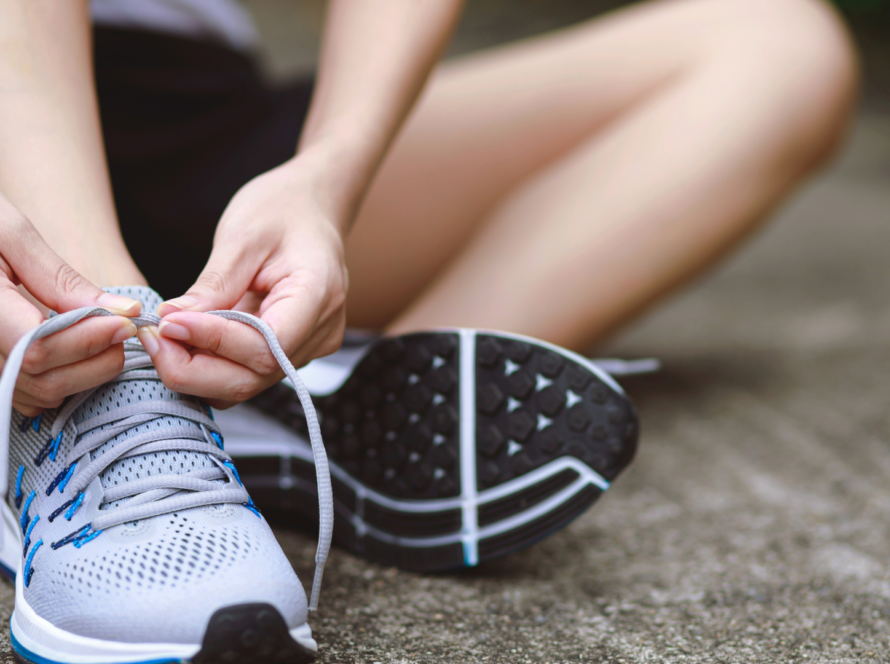
Indoor pickleball plays very differently from outdoor. Sealed maple gym floors and synthetic sport-court tiles are slick, fast, and demand shoes that grip on quick stops, support aggressive side steps, and won’t leave scuff marks. The right indoor pickleball shoes can instantly upgrade your confidence at the kitchen line—and reduce the risk of rolled ankles or sore heels
Running shoes slide, basketball soles can mark, and outdoor pickleball shoes prioritize abrasion resistance over the precise traction you need inside.

What Makes a Great Indoor Pickleball Shoe (Under $100)
Traction that grips (and won’t mark)
- Full-contact, non-marking rubber labeled “Indoor” or “Gum” rubber
- Micro-siping/herringbone edges like squash and volleyball models
- Avoid deep “pivot circles” that reduce floor contact on lunges
Support and lateral stability
- Lateral outrigger or TPU sidewall wrap
- Internal heel counter to lock your rear foot
- Lower stack (≤18 mm) to feel planted on quick direction changes
Cushioning that won’t feel mushy
- High-rebound EVA
- Removable sockliner so you can add orthotics if you need them
Fit and comfort
- Mesh/synthetic hybrid uppers for breathability and structure
- Padded, preferably gusseted tongue to prevent lace bite
- Wide-toe layouts (look for D-wide, 2E, or 4E options) to allow natural toe splay
Durability hot spots
- Reinforced toe drag area; double stitching along the forefoot flex line
- Extra toe bumper if you tend to scrape during dinks and lunges
Best Indoor Pickleball Shoes
Prices captured May 2025; sales fluctuate by retailer, colorway, and size. Expect even better deals around holidays and on prior-season colors.
Best overall under $100: K-Swiss Express Light Pickleball ($105.00)
Best value under $70: Wilson Rush Pro Ace Indoor ($120.00)
- Broad toe box, 360° rubber wrap, 9 mm drop. A great “first serious indoor shoe.”
Best for wide feet: FitVille Wide Pickleball Pro ($69.99)
- True 4E width with anti-pronation mid-shank. APMA-accepted and orthotic-friendly.
Best lightweight feel: Asics Gel-Rocket 11 ($99.95)
- Around 10.2 oz (M9), updated Trusstic chassis for added side support. Consistent best-seller for indoor courts.
Best cushion + grip combo: Skechers Viper Court Pro (indoor) ($115.00)
- HyperBurst foam with Goodyear rubber. Used by pro Catherine Parenteau; surprisingly soft yet planted.
Best traction rubber: Babolat Shadow Tour 5 ($84.95)
- Michelin rubber underfoot. Light (≈11 oz) with a roomy instep for thicker socks.
Best budget durability: New Balance 696v5 Indoor ($64.99)
- NDurance rubber plus lightweight build (≈10.4 oz). Comes in D, 2E, and 4E.
Best stability for aggressive movers: Yonex Power Cushion 5 ($160.00)
- Power Cushion+ for shock absorption; supportive chassis for hard stops and cuts.
Sleeper deal (close-out): Prince T22.5 ($109.00)
- Legendary toe bumper and supportive base for toe-draggers.
Quick Comparison Table
| Model | Weight (M-9) | Widths | Stack (Heel/Toe) | Notable Tech | Street Price |
|---|---|---|---|---|---|
| K-Swiss Express Light PKB | 11.5 oz | D / 2E | 21 / 11 mm | Surgelite foam, DragGuard | $95 |
| Asics Gel-Rocket 11 | 10.2 oz | D | 22 / 12 mm | Gel heel, Trusstic | $100 |
| Wilson Rush Pro Ace | 12.0 oz | D / EE | 22 / 13 mm | 4D Support Chassis | $70 |
| Skechers Viper Court Pro | 11.0 oz | D | 23 / 15 mm | HyperBurst, Goodyear | $80 |
| New Balance 696v5 | 10.4 oz | D / 2E / 4E | 20 / 10 mm | NDurance rubber | $65 |
| FitVille Wide PKB Pro | 12.8 oz | 4E | 24 / 14 mm | PropelCore midsole | $70 |
| Babolat Shadow Tour 5 | 11.2 oz | D | 21 / 12 mm | Michelin outsole | $85 |
| Yonex PC 65X | 11.3 oz | D | 20 / 11 mm | Power Cushion+ | $99 |
Note: Weights and stack heights vary slightly by size and source.
How to Score the Best Price
- Shop racquet-sport specialists: HolabirdSports, Total Pickleball, PickleballCentral often stack email coupons.
- Join brand newsletters: examples include first-purchase discounts or loyalty vouchers.
- Check outlets/seconds: Nike Clearance, Adidas “Last Sizes,” and official eBay brand stores.
- Hit holiday windows: President’s Day, Memorial Day, and 11/11 (Singles Day) are emerging footwear blowouts.
Pro tip: Filter for “older color” or “last sizes” and sort by price. You’ll routinely find $10–$30 drops.
Fit Tuning and Foot-Health Tips
- Size up 0.5 vs. your running shoes to reduce toe bang on forward lunges.
- Test in your on-court socks; thicker performance socks can change fit dramatically.
- High arches: pick models with removable insoles for orthotics (e.g., Superfeet Carbon, PowerStep).
- Flat feet/overpronators: try K-Swiss Express Light PKB or Wilson Rush Pro lines with supportive medial posting.
- Run hot: look for vent ports/mesh-heavy uppers (Babolat, Salming, some Mizuno indoor models).
Why it matters: Proper indoor court shoes reduce the risk of inversion ankle sprains, plantar fasciitis, and knee strain from abrupt stops—common in pickleball’s lateral-first movement pattern.
Care and Longevity: Make $100 Feel Like $150
- Wipe soles between games with a damp towel or tack pad to restore bite on dusty floors.
- Keep them “indoor-only” to protect floors and maintain traction.
- Expect 60–80 indoor hours before midsoles compress; occasional players may double that.
- Post-session: pull insoles to dry; stuff with newspaper or cedar trees to prevent funk and foam breakdown.
- Hand-wash uppers with mild soap; never machine-dry—heat weakens glue bonds.
FAQ: Affordable Indoor Pickleball Shoes
Q1: Can volleyball shoes double as indoor pickleball shoes?
A: Yes. Around 70% of volleyball/squash shoes use similar non-marking outsoles and lateral support ideal for pickleball. Aim for under ~13 oz so they don’t feel heavy.
Q2: Are pickleball-branded shoes actually different?
A: Sometimes. Models like K-Swiss Express Light PKB and Skechers Viper Court tweak pivot zones, rubber compounds, and toe-drag patches to match pickleball movement. Others are re-tuned versions of proven indoor court platforms.
Q3: How do I confirm a sole is non-marking?
A: Press and twist the sole on a white paper napkin. If it streaks dark, it’s not non-marking. Gum-colored rubber is almost always safe.
Q4: Can I wear my running shoes for indoor pickleball?
A: Not ideal. Running shoes are built for forward motion and softer, higher midsoles; they lack lateral stability and can slide on sealed gym floors.
Q5: How often should I replace indoor pickleball shoes?
A: When traction fades despite cleaning, you feel more foot/knee soreness after play, or the midsole feels “dead.” For frequent players, that’s typically every 60–80 indoor hours.
The Bottom Line
You don’t need to spend big to play better and safer indoors. Shoes like the K-Swiss Express Light PKB, Wilson Rush Pro Ace Indoor, Asics Gel-Rocket 11, and Skechers Viper Court Pro offer excellent traction, stability, and comfort for well under $100—especially when you target last-season colorways and sale events.
Your next step: pick one or two models from the list that match your foot shape and priorities (stability, cushion, width), try them in your match socks, and keep them indoor-only. Want deal alerts and fit guides? Join our newsletter and bookmark this page—we update it with fresh price drops and new releases throughout the season.