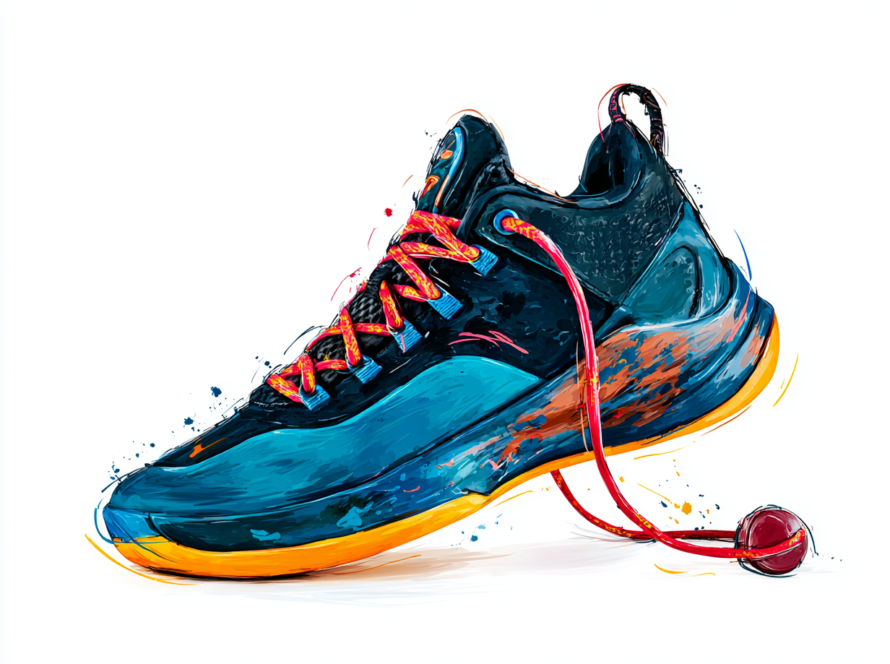
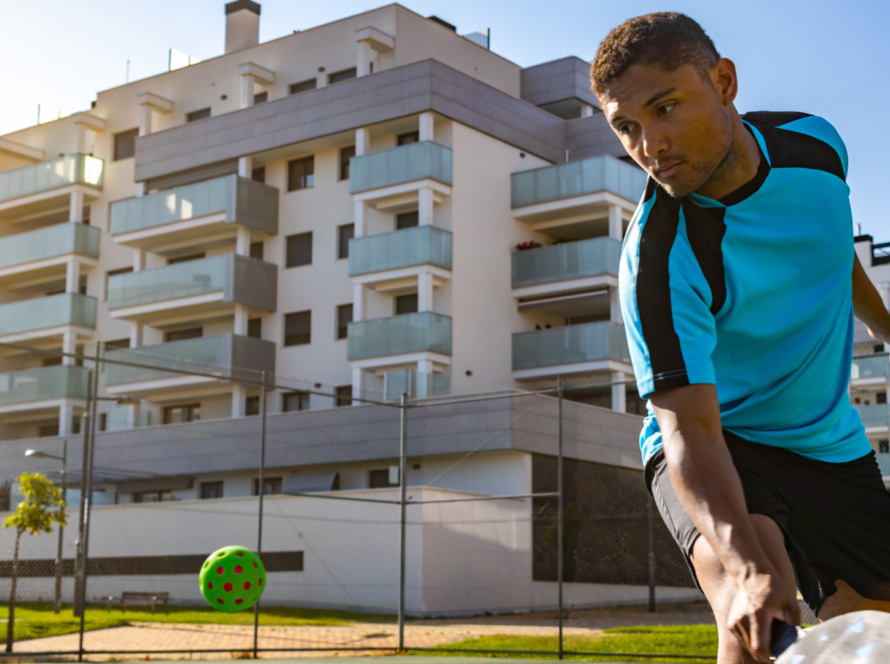
If you’re serious about improving at pickleball—without beating up your body or your budget—start with your shoes. A simple two-pair rotation can make you faster on court today and healthier over the long haul.
This guide breaks down the science of why rotation works, how to set up the right two-pair combo for indoor or outdoor play, and the exact maintenance habits that extend the life of your pickleball shoes. Whether you’re a beginner building good habits or an intermediate player pushing for more consistency, you’ll walk away with a clear, practical plan you can use this week.

Why a 2‑Pair Rotation Works
Shoes need recovery time too. Rotating pairs gives the materials—and your body—the window they need to bounce back between sessions.
- Your tendons rebound on a similar clock. After hard lateral cuts (hello, pickleball), Achilles and plantar fascia stiffness improves roughly 10% within 24 hours. Playing back-to-back in under-recovered shoes compounds both material and tissue fatigue.
- Micro-variation spreads the load. Small changes between shoes—like a 3 mm heel height or a slight difference in heel flare—can shift peak tibial shock by up to 9%. That subtle variability “shares the stress” across your muscles and tendons over the week.
A two-pair rotation reduces repetitive strain, preserves cushioning, and keeps your legs feeling fresher.
How to Estimate Shoe Life in Court Hours
You don’t need a lab—just a rough step count and a simple conversion.
- Outdoor singles (hardcourt): about 6,000–7,500 steps per hour
- Outdoor doubles (hardcourt): about 4,000–5,500 steps per hour
- Indoor courts: roughly 10% fewer steps but more sliding per step.
Rule of thumb: 2,000 steps ≈ 1 running mile. That makes 1 hour of outdoor doubles feel like 2–2.5 “running miles” to your shoes. Using the classic 300–400 running-mile lifespan, many pickleball shoes hit midsole fatigue around 120–160 court hours. Practically, that aligns with:
- Outdoor hard courts: replace every 40–80 hours
- Indoor gym floors: replace every 80–120 hours
A rotation doesn’t magically double total lifespan, but it does keep each session feeling more consistent—and often stretches usable life by reducing early foam breakdown.
Build Your Two‑Pair Rotation
You’re aiming for different-but-complementary. Think “one stable and plush” plus “one lighter and snappier.”
Match the outsole to the surface
- Outdoor hardcourt: tougher carbon rubber, deeper herringbone or pivot patterns. These compounds are harder and more abrasion resistant, ideal for asphalt and textured acrylic.
- Indoor gym floors: tackier, non-marking gum rubber for grip, but it wears quickly outdoors.
If you play both indoor and outdoor, dedicate one pair to each surface.
Mix cushioning and drop
- Cushioning chemistry: pair a high-rebound foam (TPU/PEBA) for explosive days with a classic EVA build for longer, steadier sessions.
- Heel-to-toe drop: a 4–6 mm shoe promotes forefoot engagement and quick split steps; 10–12 mm eases calf/Achilles load on serves and long rallies. Rotate across at least a 4 mm difference to meaningfully change muscle loading.
Balance stability and flex
- Stabilizing features: medial posting, TPU shanks, and external heel counters keep you locked in during hard lateral moves.
- Flexible, neutral builds: allow quicker transitions and a more “connected” court feel.
A stability-neutral pairing (one more supportive, one more flexible) gives you options depending on your ankles, calves, and match intensity.
Target a small weight split
- Lightweight days: sub-11 oz men’s / sub-9.5 oz women’s for speed and quick footwork
- Durable days: 12–14 oz men’s / 10–12 oz women’s for cushioning and longevity
A ~10% difference in shoe weight is enough to vary neuromuscular recruitment without feeling like a different sport.
Don’t overlook insoles and socks
- Insoles: a supportive polyurethane insole can be swapped between pairs to fine-tune firmness without buying a third shoe. Fresh insoles won’t add much height, but they can change feel and support.
- Socks: merino or olefin blends add a touch of underfoot padding and manage moisture—key for blister control, especially on hot days.
Break-in strategy
Wear new shoes for 20–30 minutes of warm-ups plus casual walking for two sessions before full match play. This lets uppers flex and glue bonds settle without sudden torsional loads.
Example Two‑Pair Rotations for 2024
Indoor-leaning combo
- ASICS Gel-Resolution 9 (stability, supportive chassis)
- Nike Zoom GP Challenge 1 (lower drop, quicker underfoot)
Outdoor/hardcourt combo
- K-Swiss Express Light Pickleball (roomier toe box, friendly fit)
- Babolat Jet Mach 3 All Court (lightweight uppers with great durability)
Hybrid “one of each” starter rotation
- Pair A: ASICS Gel-Renma (durable, stable, 12 mm drop)
- Pair B: adidas Avacourt Pickleball (8 mm drop, Lightstrike foam for snap)
Use the supportive pair for drill-heavy days or when your calves/Achilles feel tight. Use the lighter, quicker pair when you want pop and fast first steps.
Maintenance That Extends Life (and Saves Money)
Little habits add up to big savings and better feel underfoot.
- Cost-per-play math: a $120 pair lasting 60 court hours equals $2.00 per hour. Rotate two pairs purchased 6 weeks apart and you’ll often see each age more slowly—effectively dropping your cost per hour and keeping both feeling fresher longer.
- Cleaning: brush off dust and grit with a soft nylon brush and a mild 1:5 dish-soap mix. Don’t submerge shoes; waterlogging midsoles can permanently reduce rebound by 3–5%.
- Storage: heat ages foam. Store between 60–75°F (15–24°C). Avoid hot cars—just 3 hours of high heat can cut resiliency by up to 8%.
- Laces: replace every ~60 hours. Frayed laces slip, forcing mid-match re-ties and increasing blister risk.
- Recycling and donation: Nike Reuse-A-Shoe, TerraCycle rubber programs, or Soles4Souls are solid options when a pair is done.
Know When to Retire a Pair
- A midfoot crease that doesn’t spring back when pressed
- Outsole rubber worn flat at the big-toe pivot or lateral forefoot
- You’re tightening laces more than usual to feel stable (upper stretch fatigue)
- New knee/hip soreness with the same training volume
If two or more of these show up, move that pair to casual wear or drills on softer surfaces—and bring in a fresh pair to keep your rotation healthy.
Fit Your Rotation Into Your Training Week
- Pre-tournament week: use the fresher pair exclusively for consistent proprioceptive feel.
- Post-tournament recovery: switch to the softer, more broken-in pair for lower-intensity doubles or drilling at 60–70% effort.
- Cross-training: bike, row, and lift in non-court shoes to preserve outsoles. Do lateral-slide drills in your older pair.
At‑a‑Glance Rotation Planner
- 0–2 hours/week: 1 pair; replace roughly every 9–12 months (about 1 pair/year)
- 3–5 hours/week: 2 pairs; replace each pair every 4–6 months (about 2 pairs/year)
- 6–10 hours/week: 3 pairs; replace each pair every 3–4 months (3–4 pairs/year)
If you’re hovering between ranges, start with two pairs and adjust based on wear patterns and how your legs feel between sessions.
FAQs
Q1: Can I use running shoes on indoor courts if I never play outdoors?
A: It’s still not ideal. Running shoes are built to roll you forward; pickleball demands lateral stability. Court shoes have flatter, wider bases, sidewall support, and court-specific tread. You’ll feel the difference the first time you check hard or slide to a stop.
Q2: I use custom orthotics—do I still need two pairs?
A: Yes. Orthotics seat differently depending on the shoe’s shape and firmness. Rotating a firmer and a slightly softer platform lets your orthotic and the shoe share the work instead of loading the same tissues every session.
Q3: Should I consider a three-pair rotation?
A: If you log 10+ hours a week, a three-pair cadence (new, midlife, near-retire) can keep 72+ hours between uses for each pair, maximizing foam recovery and keeping odors at bay.
Q4: How often should I switch between the two pairs?
A: Alternate every session when possible. If you play back-to-back days, simply wear the pair you didn’t use last time to give the other 36–48 hours to rebound.
Q5: Do I need different shoes for indoor vs outdoor?
A: Ideally, yes. Indoor gum rubber grips better on gym floors but wears fast outside. Outdoor compounds are tougher and last longer on abrasive courts.
conclusion
A disciplined 2‑pair pickleball shoe rotation is one of the highest‑ROI upgrades you can make. Mix cushioning types and heel drops, match outsoles to your surface, and follow simple storage and cleaning habits. You’ll get better grip, more consistent shock absorption, and fewer overuse niggles—often while spending less across the season.
Audit your current shoes tonight. Pick a stable workhorse and a lighter, snappier partner—then start alternating your next two sessions. Your feet, calves, and wallet will thank you.