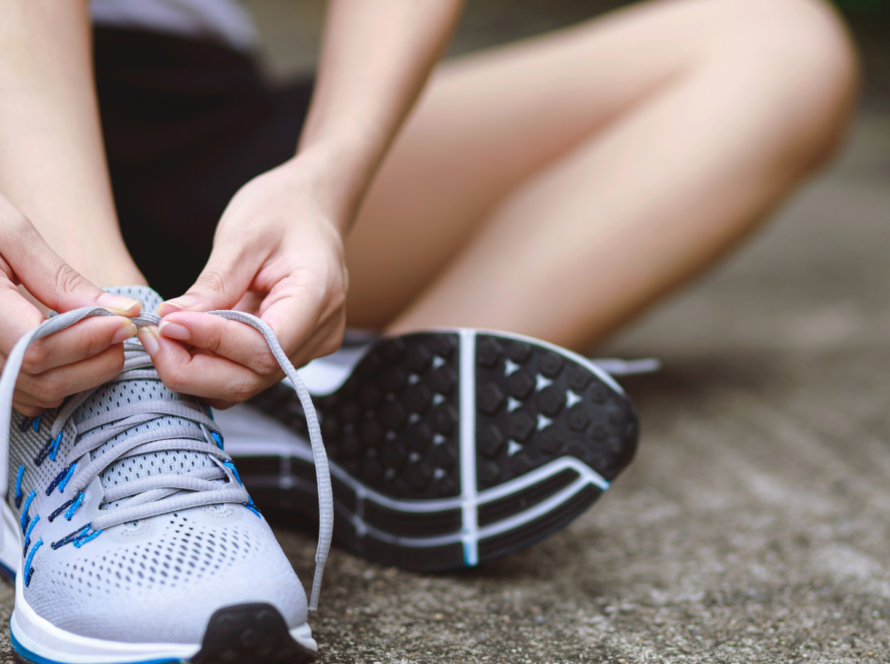
Pickleball is addictive—until your heel starts barking. If you’re hobbling to the car after open play or waking up to that first-step stab of pain, you’re not alone. The good news: the right court shoes (and a few smart tweaks) can reduce strain on your plantar fascia and Achilles, cushion your heel, and help you keep playing without flaring things up.
Here’s a practical, player-tested guide to pickleball heel pain: what causes it, which shoe features actually matter, the best models to try, and how to dial in insoles, lacing, and recovery. Beginner or 3.5 weekend warrior, you don’t need a biomechanics degree—just a plan and the right gear.

Why Pickleball Pounds Your Heel
Quick reality check: “heel pain” isn’t one thing. Several conditions can feel similar—but respond to different solutions.
Most common causes you’ll see on court:
- Plantar fasciitis: classic pain at the inside-front of the heel (medial tubercle), worst with the first steps in the morning.
- Fat-pad contusion or atrophy: feels like you’re walking on a bruise directly under the heel bone.
- Achilles tendinopathy or retro-calcaneal bursitis: pain at the back of the heel.
- Baxter’s nerve entrapment: burning or zapping pain on the inside heel, sometimes mistaken for stubborn plantar fasciitis.
- Calcaneal stress fracture: deep, constant ache; hurts with a side-to-side heel squeeze. Needs imaging and rest.
- Sever’s disease (kids 8–14): heel pain during growth spurts with sports volume.
- Tarsal tunnel syndrome: tingling or radiating pain into the arch and heel, often worse with tight shoes.
- “Heel spur”: usually a byproduct of plantar fasciitis, not the primary pain source.
If pain is sharp, very localized, or not improving after 4–6 weeks of good shoes + smarter load management, get it evaluated. Court time beats Google-diagnosing.
Footwear Physics 101: How Court-Shoe Design Helps (or Hurts)
Think of your shoe as a small suspension system. Certain parts protect your heel and fascia; others keep your foot from twisting under load.
Key tech terms you’ll see:
- Midsole foams:
- EVA: the standard—light, cushy, but packs out faster.
- PU: heavier, durable cushioning.
- E-TPU (e.g., adidas Boost, DAPS): bouncy and resilient.
- PEBAX: ultra-light and springy (rare in court shoes).
- Asics FlyteFoam / FF-Blast+: tuned blends for stability + rebound.
- Heel counter: the stiff cup around your heel. Molded TPU or carbon-infused counters lock the calcaneus and calm pronation.
- Shank / Trusstic / Torsion bar: rigid bridge under the arch that resists twisting—huge for plantar fascia relief.
- Drop: height difference from heel to forefoot. 8–12 mm unloads the Achilles; 0–4 mm feels flatter and can flare tendons if you ramp up too fast.
- Outsole patterns:
- Herringbone: grips gritty outdoor courts well.
- Siped omni-court: better for indoor wood/gym floors.
- Gum rubber: non-marking but not great on dusty outdoor surfaces.
- Last shapes: straight (most control), semi-curved (most court shoes), curved (racier fit).
Six Shoe Features That Actually Fix Heel Pain
When you’re shopping or trying pairs in-store, focus on these:
Deep, rigid heel cup
- Your heel should sit below the rim with no side-to-side wobble. This calms the plantar fascia and Achilles.
Firm arch support (not just “soft”)
- You want supportive, not squishy. Overly soft midsoles let the arch collapse and irritate the fascia.
Torsional control under the midfoot
- Twist the shoe in your hands. You want it to resist twisting through the arch (shank/trusstic present).
Heel-to-toe drop of 8–12 mm if Achilles or plantar fascia are cranky
- A touch of heel lift unloads the posterior chain.
Cushioned but stable heel
- Look for Gel/PU/E-TPU elements paired with a firm sidewall so you don’t sink and tip.
Right fit and width
- Roomy toe box with an index-finger’s width in front of your big toe, snug heel, and no rubbing at the Achilles. Multi-width options are your friend if you need them.
Bonus: a lateral outrigger (a small “shelf” of outsole that extends beyond the upper) improves side-to-side stability—good for quick dinks and emergency scrambles.
2025 Shoe Short-List: Models Worth Trying
Pickleball-specific / orthopedic-leaning
- Orthofeet Ace / Verve / Coral Stretch Knit: multiple widths, plush heel, supportive insoles out of the box.
- DAPS Bluemaka & AOPA series: E-TPU-like rebound with pronounced heel cupping.
- FitVille Amadeus V7 & SFX-V: wide and extra-wide builds for high-volume feet.
- KURU Quantum / Atom Court: “KURUSOLE” cupped heel tech hugs the calcaneus.
Tennis / volleyball crossovers prized for rear-foot cushioning
- Asics Gel-Resolution 9 (or X): rearfoot Gel + Dynawall stability; deep heel fit works well with heel-lock lacing.
- K-Swiss Hypercourt Express 2: roomy toe box, balanced cushioning (SurgeLite).
- Prince T-22 / T-22.5: famously wide with a “Shock Eraser” insert.
- New Balance 806 & Fresh Foam Lav v2: RollBar posting, great stability; multiple widths.
- Babolat SFX 3: soft heel “Kompressor” pad; high-volume fit.
- Yonex Eclipsion 5: stiff midfoot shank + Power Cushion impact protection.
- Mizuno Wave Momentum 2 (volleyball hybrid): Wave plate + 10 mm drop to offload Achilles.
Budget / entry-level
- adidas CourtJam Control 3: Bounce midsole + TPU sidewall, often under $90.
- HEAD Revolt Pro 4.5: solid cushioning; check width if you have a wide forefoot.
Youth / teens (Sever’s risk)
- Asics Gel-Game 9 GS: cushioned without excess stiffness.
- New Balance 996 v4: FuelCell feel with durable NDurance rubber.
Court shoes hold prime cushioning for about 60–75 on-court hours. If you play 4–5 hours a week, that’s roughly 3–4 months. Rotating two pairs lets midsoles “rebound” for 24–48 hours and has been shown in runners to reduce injury risk by ~39%. Log your hours in your phone.
Insoles, Heel Cups, and Quick Mods
If your shoe is close but not perfect, these can be game-changers:
- Firm arch + deep heel cup (best for plantar fasciitis or over-pronation)
- Superfeet Green, Tread-Labs Pace, PowerStep Pinnacle, Currex AcePro.
- Modular, heat-moldable options
- Sole Active lets you tune arch feel.
- Heel-only shock pads (best for fat-pad bruises)
- Tuli’s Heavy-Duty Classic, Sorbothane Classic, ViveSole silicone cups.
Fitting tips:
- Don’t stack a full-length insole and a heel cup together—you’ll raise your heel too much and destabilize your ankle.
- Trim insoles carefully so they sit flat and don’t buckle in the toe box.
- If the insole lifts your foot too high, re-check fit: heel should remain seated within the counter.
Decision quickie:
- Pain under the heel’s center = try heel cups or softer-heel models.
- Pain at the inside-front edge of the heel = prioritize firm arch support + torsion control.
- Back-of-heel pain = try 8–12 mm shoe drop and avoid overly rigid heel counters that rub.
Lacing, Socks, and Small-Gear Hacks
- Use the runner’s loop (heel-lock) to reduce heel slip—especially in deep-heel shoes like Gel-Resolution.
- High instep? Skip the 5th eyelet to soften pressure over the arch.
- Avoid elastic lock laces on court—they reduce stability.
- Socks matter: dual-layer WrightSock or Thorlo Experia pickleball cut reduce blister-causing shear and add heel padding.
- Post-match recovery slides: Oofos OOahh or Hoka Ora Slide 3 offer rocker + soft foam to pamper sore heels.
Beyond Shoes: Technique, Load, and Recovery
- Morning calf series: 2 x 30 seconds straight-leg + 2 x 30 seconds bent-knee. Consistently reduces plantar fascia symptoms in studies.
- Plantar fascia “windlass” stretch: sit, pull your big toe back for 10 seconds, 10 reps.
- Frozen water bottle roll: 5 minutes after play to calm micro-swelling.
- Low-Dye taping: quick tape job can cut pain for 24 hours—worth learning for tournament days.
- Night splints (e.g., Strassburg Sock): consider for stubborn >3-month plantar fasciitis. Compliance can be tough, so be realistic.
- Achilles-focused eccentric heel drops: 3 x 15, twice daily on a step for mid-portion tendinopathy. Do not use during acute insertional bursitis flares.
Workload tips:
- Ramp weekly court time no more than ~10–15%.
- Mix in doubles or drilling if singles volume is flaring symptoms.
- Rotate shoes to extend cushioning life and reduce repetitive stress.
Shoe-Shopping Checklist (Save/Print This)
- Arch feels supported from the first step (no marshmallow “squish”).
- Heel sits below the rim of the cup; no side-to-side wobble.
- Shoe twists less than ~15 degrees when you torque the midfoot with both hands.
- Toe box: one index-finger’s width in front of the big toe, plus side-to-side wiggle room.
- Lateral outrigger extends at least 5 mm beyond the upper (visible shelf).
- Flex groove bends at the ball of the foot, not through the midfoot.
- Weight (personal cutoffs): ≤ 14 oz men, ≤ 12 oz women to avoid calf fatigue.
When to See a Sports Podiatrist or PT
Don’t wait on these red flags:
- Night pain unrelieved by NSAIDs (possible stress fracture or systemic issue).
- Numbness/tingling into the arch or heel (Baxter’s nerve or tarsal tunnel).
- Heel pain plus morning stiffness in multiple joints (rule out inflammatory conditions).
- Sudden “pop” in the heel with bruising (possible partial fascia rupture).
- Kids limping after a growth spurt (Sever’s disease vs other concerns)—get imaging.
This article is informational and not a substitute for an in-person evaluation.
FAQs
Q1: I have a heel spur. Do I need surgery?
A: Usually no. In about 90% of cases, improving biomechanics, footwear, and workload settles symptoms. The spur itself is often not the pain source.
Q2: Are zero-drop shoes better for foot strength?
A: They can be—if your Achilles and plantar fascia are symptom-free and you transition slowly. Otherwise, expect a 4–6 week flare. For active heel pain, stick with an 8–12 mm drop.
Q3: Can I fix this with a $20 gel heel insert?
A: Gel absorbs shock and can help fat-pad bruises. For plantar fasciitis, you also need firm arch support and heel control—gel alone usually isn’t enough.
Q4: How long do court shoes last for pickleball?
A: Plan on 60–75 on-court hours of prime cushioning. If the outsole is slick, the midsole is wrinkled/compressed, or your heel starts hurting again, it’s time to rotate in a fresh pair.
Q5: Are pickleball shoes different from tennis shoes?
A: Many tennis and volleyball shoes work great for pickleball, especially outdoors. Look for grip patterns that match your surface and stability features listed above.
conclusion
Heel pain doesn’t have to bench you. Start with a supportive court shoe that locks your heel, controls twist, and uses a modest heel drop. Add a firm, cupped insole if you need more arch control or a heel cup for fat-pad pain. Layer in smart lacing, better socks, and recovery habits—and track your shoe hours.
Ready to move pain-free? Try one of the short-listed models, save the buying checklist for your next shop trip, and if pain lingers past a few weeks, book a session with a sports podiatrist or PT. Your dinks and drives will thank you.