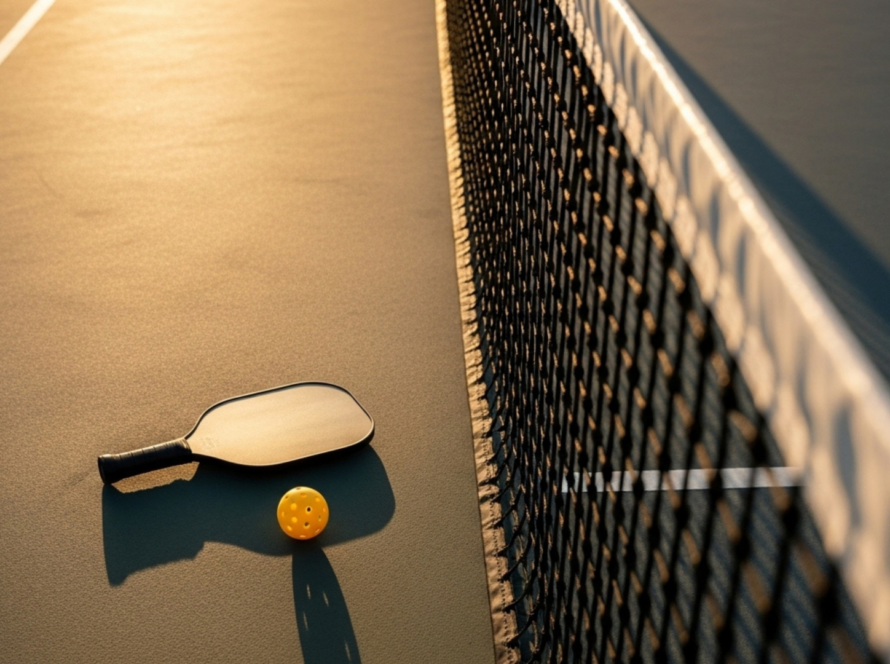
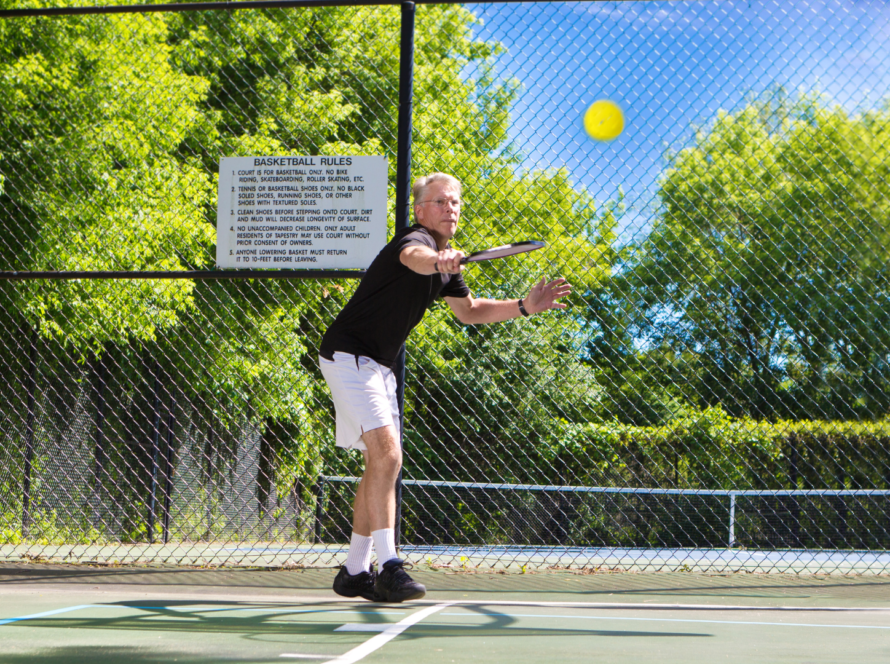
Pickleball is exploding—and so is the shoe shelf. Since 2020, pickleball shoe sales have jumped more than 400%. Where players once borrowed volleyball or tennis models, there are now 25+ brands making “pickleball-only” shoes built for our sport’s quick shuffles, split-steps, and short sprints.
That’s great news, but it can also be overwhelming. What makes a shoe “good” for pickleball? Do indoor and outdoor courts need different outsoles? How should a proper fit feel? This guide distills the science and the shopping tips so you can pick the right pair with confidence—whether you’re just learning dinks or grinding out 4.0 ladder matches.

How to Choose Pickleball Shoes: What Actually Matters
1) Start with your court surface (outsole is everything)
- Indoor courts (urethane or polished wood): Look for softer gum-rubber outsoles that bite the floor. These compounds offer superior grip at lower speeds common to indoor play.
- Outdoor courts (acrylic over concrete): You want denser carbon-rubber that resists abrasion. Herringbone or modified herringbone patterns shed dust and last longer on gritty surfaces.
- Hybrid options: Some models (e.g., Wilson Rush Pro Ace Pickleball) use dual-density outsoles—harder rubber around the perimeter for durability, with a softer center for traction when courts get dusty.
2) Upper materials and lockdown (comfort that doesn’t stretch out)
Modern pickleball uppers borrow from tennis and indoor volleyball—lightweight, reinforced, and strategically supportive.
- Dyneema or Matryx uppers (e.g., Babolat Jet Mach) blend aramid fibers with polyester for tear resistance up to 5x stronger than standard mesh.
- TPU hot-melt overlays replace stitched panels to create seamless support zones while saving 10–15 grams per shoe.
- Padded, anti-slip heel pods (see Adidas Stabil) reduce inside-shoe heel lift—an under-the-radar blister culprit during explosive split-steps.
- Nice-to-have extras: heat-moldable heel counters (K-Swiss Knitshot PB) for a custom fit, integrated toe-drag guards that double as slide stoppers.
3) Fit and sizing (your best performance upgrade)
If your shoe fit is off, everything else is a compromise.
- Leave a thumbnail-width (about 6–8 mm) between your longest toe and the tip of the shoe—measure while standing in the socks you play in.
- Perform a mini split-step. Your foot should not slide laterally more than ~5 mm inside the shoe.
- Orthotics user? Remove the factory insole before sizing. Orthotics can raise your heel and effectively shorten internal length by about half a size.
- Width tendencies:
- Wide: Skechers Viper Court Pro, HEAD Revolt EVO
- Narrow: Yonex Power Cushion lines, Babolat Jet Mach 3
Indoor vs. Outdoor Pickleball Shoes: Quick Snapshot
- Traction: Gum rubber “bites” indoor floors; firmer carbon rubber lasts longer outside.
- Profile: Both should be relatively low-to-the-ground for stability.
- Durability: Outdoor pairs benefit from higher abrasion ratings and reinforced toe/medial areas.
- Noise: Some gum-rubber outsoles squeak on polished floors—harmless, but it can be annoying in quiet venues.
Women’s and Junior Pickleball Shoes: Built Differently (on purpose)
Women’s lasts often vary from men’s:
- Narrower heel counters for a locked-in back-of-foot feel
- Higher instep volume
- Greater ball-of-foot width differential (some brands cite ~3 mm more “ball-girth” delta)
Junior designs:
- Medial “drag-on” rubber wraps survive playground asphalt
- Velcro power-straps help kids who can’t tie performance laces yet
- Look for non-marking soles if your child plays in school gyms
Lacing, Socks, and Insoles: Small Tweaks, Big Gains
Lacing and lockdown hacks
- Runner’s loop (heel lock): Eliminates heel slip for better stability and fewer blisters.
- Tri-loop method: Skip the second-to-last eyelet, then re-insert to reduce pressure on high insteps.
- Elastic lace sleeves (e.g., OS1st): Keep laces from loosening in sweaty, summer sessions.
Sock and insole pairing
- High-thread-count synthetic socks (≥200 needle) cut blister incidence by 30% vs. cotton.
- Look for moisture-wicking, nano-glide fibers (WrightSock, Balega) that play nicely with TPU-lined collars.
- Insoles that work:
- Superfeet Carbon: low-profile arch without cramping toe room
- Currex Ace Pro: dynamic support for all-around use
- PowerStep Pinnacle: extra structure for plantar fasciitis
Real-World Picks: Popular Pickleball Shoe Models to Try (Spring 2024)
- Lightweight speed: Babolat Jet Mach 3 – 12.7 oz (US M9), Matryx upper, nimble yet supportive
- Max stability: HEAD Revolt Pro 2.0 – triple-density midsole, TPU wings for lateral control
- Arch-friendly: Diadem Court Burst – torsion plate + medial sidewall flare for guided transitions
- Budget (<$100): ASICS Upcourt 5; FILA Volley Zone – solid court traction without wallet pain
- Wide fit: Skechers Viper Court Pro (2E) – UltraFlight foam, roomy forefoot
If you’re unsure, start with a stability-focused model you can comfortably move in and “graduate” to lighter shoes as your footwork gets sharper.
Pickleball vs. Tennis vs. Volleyball Shoes: Why They Feel Different
- Court contact time: Pickleball rallies keep you grounded a bit longer than tennis
- Cutting angles: Pickleball averages <50° cuts (tennis often ~70°)
- Toe-drag frequency: Higher in tennis; pickleball needs some toe protection but less bulk
- Vertical load: Volleyball emphasizes vertical jumps; pickleball is more lateral
- The result: Pickleball shoes split the difference—lower profile than volleyball, more lateral walling than many tennis “speed” models
The Practical Buying Checklist (bookmark this)
- Identify your primary court surface (indoor vs. outdoor)
- Decide your bias: cushioning vs. stability (rate your ankle history 1–5)
- Measure foot length at day-end when swelling is highest
- Bring game-day socks and orthotics to the store
- Perform a split-step and lateral lunge in front of a mirror
- Confirm ~6 mm of toe allowance in standing position
- Check the return policy (many brands offer 30-day wear tests)
Maintenance, Replacement, and Sustainability Tips
- Replace your court shoes when the outsole’s herringbone disappears at the medial forefoot—or around every ~60 hours of competitive play.
- Stuff shoes with cedar shoe trees post-match to reduce odor and preserve shape.
- Avoid high-heat washing or drying; temperatures above ~160°F can weaken midsole glue.
- Sustainability ideas:
- Look for recycled-content uppers (Adidas Adizero/Cybersonic PB)
- Allbirds courts use sugar-cane EVA and castor-bean foams, targeting low carbon footprints
- Ask your club about Terracycle programs for end-of-life shoe recycling
Caveats:
- Stiffer torsion bars can bother players with high, rigid arches—try before you buy.
- Bright neon soles may scuff unsealed indoor floors (even if “non-marking”).
- Low-profile court shoes can feel “thin” on asphalt—wear slides off-court to preserve cushioning.
Future Tech to Watch (it’s getting cool)
- Smart pressure-mapping insoles (Plantiga, NURVV) to track lateral load and suggest rotation or retirement dates
- Graphene-infused rubber outsoles claiming ~30% better abrasion resistance (commercial releases expected in 2025)
- 3D-printed lattice midsoles for tunable cushioning by position and play style
Frequently Asked Questions
Q1: Can I play pickleball in running shoes?
A: You can, but it’s not ideal. Running shoes are built for forward motion and soft heel cushioning. Pickleball demands lateral stability and torsion control. Court shoes reduce inversion velocity and sprain risk, and they won’t flatten as fast under side-to-side loads.
Q2: What’s the difference between indoor and outdoor pickleball shoes?
A: Indoor models use softer gum rubber for grip on urethane/wood; outdoor models use firmer, more abrasion-resistant rubber for acrylic/concrete. If you play both surfaces, consider a dual-density outsole or keep one pair for each environment.
Q3: How often should I replace my pickleball shoes?
A: As a rule, when the forefoot herringbone is bald (especially on the medial side) or around every 60 hours of competitive play. If your knees or ankles feel suddenly sore and your grip is inconsistent, it’s likely time.
Q4: I have wide feet—what should I try?
A: Start with Skechers Viper Court Pro (available in 2E) or HEAD Revolt EVO. Try on late in the day and bring your in-sport socks and orthotics to dial fit.
Q5: Do I need “non-marking” soles for indoor gyms?
A: Many indoor facilities require them. Look for non-marking labels and avoid brightly pigmented soles if your gym’s floor isn’t well sealed.
CONCLUSION
If you remember only three things, make them these:
- Match your outsole to your court (gum rubber for indoor bite, denser rubber for outdoor durability).
- Choose stability first, then dial in cushioning and weight as your footwork improves.
- Fit is performance—lock your heel, leave 6–8 mm at the toes, and test lateral control.
Ready to level up your movement? Use the buying checklist above, try two or three models back-to-back, and perform a quick split-step test in-store. Have questions or want personalized suggestions? Drop a comment with your court type, foot width, and ankle history—I’ll help you find your perfect pair.