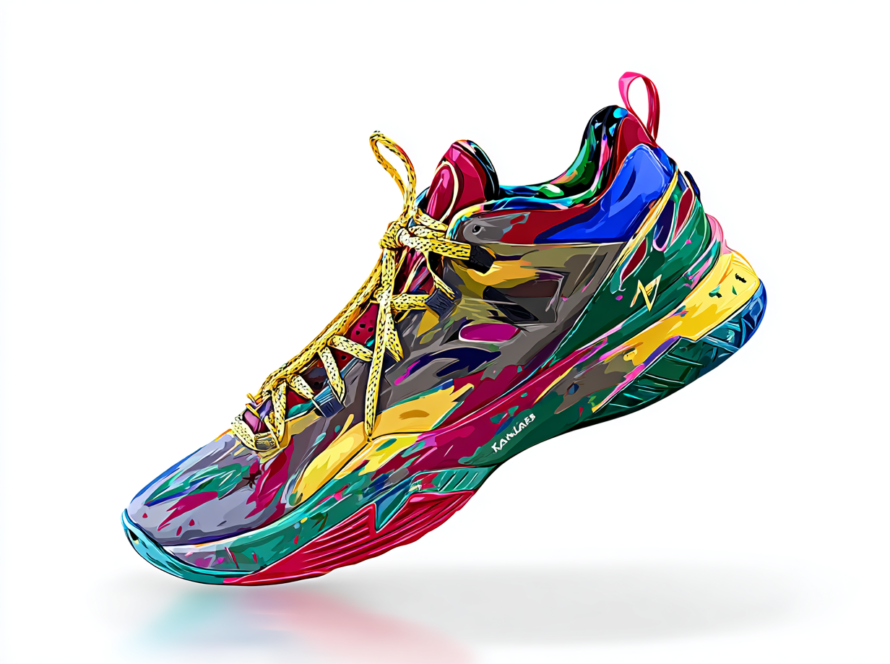
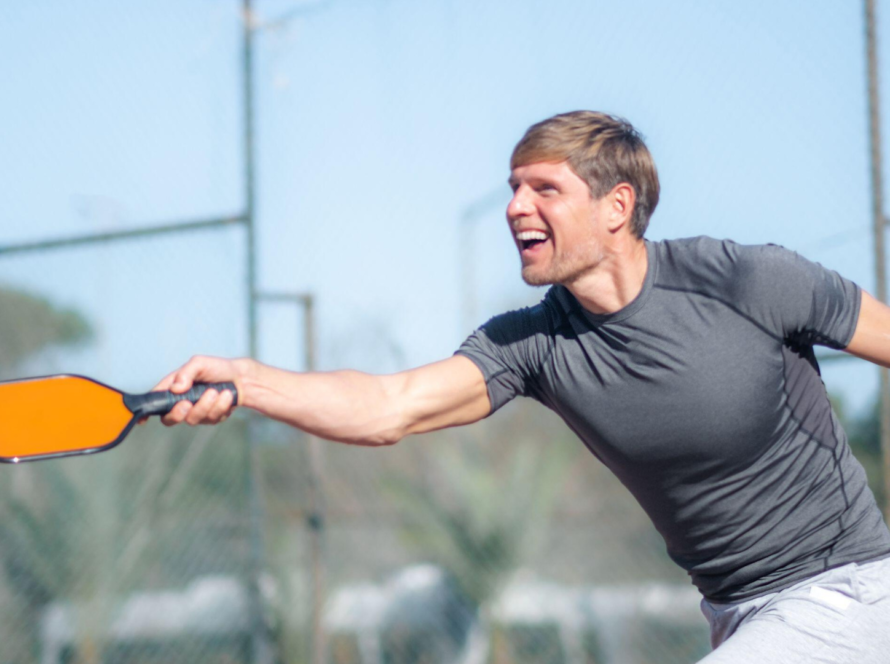
Pickleball is fast, lateral, and loaded with stop-start moves you don’t make in running or even tennis. That’s why the right pickleball shoes feel like “easy mode”: quicker first steps, sharper stops at the kitchen, and fewer tweaks to your ankles and calves.
This 2025 edition blends real-world wear testing with current biomechanics and brand tech sheets to help you pick the right model for your foot type, court surface, and budget.
Whether you’re buying your first pair or upgrading to a rotation like the pros, use this as your one-stop, future-proof guide.

Why Pickleball-Specific Shoes Matter
Pickleball isn’t mini tennis. The movements and forces are different—and so are the best shoes for the job.
Best Pickleball Shoes for 2025: New and Notable
These models were frequently requested by serious players and deserve a spot on your shortlist. Prices are approximate MSRP.
Asics Gel-Game 9 ($90)
Asics’ first pickleball-only build. Wrap-up outsole for toe draggers, Rearfoot GEL, TRUSSTIC midfoot shank, and a gum-rubber compound that grips indoors and outside. Medium–wide fit, ~11.4 oz (men’s 9). Budget-friendly stability.FILA Volley Zone ($90)
Updated Energized EVA midsole with a “Circle Pivot” forefoot. Wider toe box than many FILA tennis models—good for forefoot strikers who want smooth pivots.Tyrol Drive V Pro ($130)
A senior-pro favorite. 9 mm drop and a medical-grade EVA strobel board that can help plantar fasciitis sufferers. Comes with a 6-month hard-court outsole warranty.Prince T22 ($90)
Technically tennis, but still the go-to for very wide feet (up to 4E). Ortholite X40 sockliner and ShockEraser heel pad. Heavier (~13 oz) but stable and roomy.Onix Evoke Pro ($120)
Built by a paddle brand that understands pickleball movement. Midfoot TPU cage for excellent torsional control; traction pattern echoes their paddle face for marketing flair, but the grip is legit.Adidas Barricade 13 PB ($160, Spring 2025)
LIGHTSTRIKE Pro midsole plus a 3D-molded TPU lateral wing. Upper uses ~75% recycled Parley Ocean Plastic by weight. Early testers report elite stability with average breathability.Mizuno Wave Enforce Tour ($140, Feb 2025)
PEBAX-powered Wave plate for propulsion and support. DuRubber X10 outsole rated for ~70 hours on outdoor courts. A compelling choice if you like a springy but planted feel.
Honorable mentions many players already rate highly:
- Skechers Viper Court Pro: rocker toe for smooth transitions, fast break-in, great value.
- K-Swiss Supreme: supportive for pronators, durable outsole.
- Diadem Court Burst: rigid heel counter, stable base, works well for higher arches.
- New Balance 996v6: fast and low; pair with a PORON insert if you need more underfoot comfort.
Pickleball vs Tennis vs Volleyball Shoes: What’s the Difference?
Heel height
Pickleball: ~10–14 mm. Tennis: ~12–18 mm. Volleyball: ~6–10 mm.
Why it matters: Pickleball strikes a balance—low enough to be stable for lateral stops, but cushioned enough for mixed indoor/outdoor play.Midsole density and stack
Pickleball: medium-firm, slightly lower stack to enhance court feel and quick changes of direction. Volleyball midsoles are softer and low-stack for hardwood but wear quickly outdoors.Toe guard
Pickleball shoes use larger toe guards thanks to dinks, toe drags, and quick lunges near the kitchen.Outsole rubber
Pickleball blends hard-court and gum compounds for acrylic/asphalt/wood versatility. Tennis soles can be slick indoors; volleyball gum grips well inside but can wear out outdoors in under 10 hours.
If you only play indoors on wood, a volleyball shoe can work temporarily. For outdoor acrylic/asphalt or mixed play, a pickleball-specific outsole and midsole will last longer and protect you better.
Fit, Sizing, Break-In, and Rotation
Get these right and you’ll feel faster—and your shoes will last longer.
Length
Aim for an index-finger width (about 6–8 mm) from longest toe to toebox. This prevents nail trauma on hard stops.Width and lockdown
In ready position, slight pressure along the 5th metatarsal head is okay; numbness after 10 minutes is not. Use the top eyelets for a runner’s loop if your heel slips.Break-in
Expect 2–3 hours of light drilling for most models. Knits break in fastest; full PU/synthetic leather uppers can take 8+ hours to soften.Rotation matters
Alternate two pairs. EVA midsoles lose 30–35% rebound after a hard session but recover to ~95% after 48 hours. Rotating lets foam rebound and doubles useful life.Expected life
- Indoor: roughly 60–80 court hours
- Outdoor: roughly 45–60 court hours on abrasive asphalt, unless the shoe has a durability warranty (Prince, Babolat, Tyrol, etc.)
Sizing tips for orthotics
If you use custom orthotics, try half-size up or wider width. Remove the stock insole before inserting your device to preserve volume.
Care and Maintenance: Keep Grip and Cushion Alive
Cleaning
Remove sockliners and hand-wash in warm water with mild detergent. Place uppers in a pillowcase on gentle, cold cycle, then air-dry only. Heat can delaminate PU and weaken glues.Storage
Use cedar shoe trees or stuff with acid-free paper. Keep below 90°F to protect EVA integrity.Traction refresh
Every ~15 court hours, lightly scuff the outsole with 220-grit sandpaper to expose fresh rubber edges. Players typically gain ~10 extra hours of strong grip.
What’s Next (2025–2027): Tech to Watch
Pebax energy plates
Already appearing in Mizuno Wave Enforce builds. Expect carbon/PEBAX plates tuned for lateral cut-off torque, not just straight-line sprints.3D-printed midsoles
New Balance is trialing localized firmness lattices (Formlabs resin) under the medial forefoot for better pronation control without extra weight.Smart insoles
A HEAD x PodoSmart partnership aims to bring real-time pressure sensors into coaching apps in Europe by 2026. Think actionable movement data, not just steps.
FAQs
Q1: Can I just use my running shoes for pickleball?
A: You can, but it’s not ideal. Running shoes are built for forward motion with higher, softer heels. Pickleball needs lower, laterally stable bases and tougher outsoles for pivots and hard stops. If you play weekly or more, get pickleball or tennis-court shoes with proper lateral support.
Q2: Indoor vs outdoor: do I need two pairs?
A: If you split time, yes. Outdoor acrylic/asphalt needs harder rubber; indoor wood favors gum or hybrid compounds. Using one pair everywhere either slips indoors or wears out fast outdoors. Rotating two pairs also helps foam recover.
Q3: How long should my pickleball shoes last?
A: Typical ranges: 45–60 outdoor hours, 60–80 indoor hours. If you’re sliding, toe-dragging, or playing on rough asphalt, plan for the low end. Warranty-backed models (Tyrol, Prince, some Babolat) can stretch that.
Q4: I have wide feet. What should I try first?
A: Prince T22 V2 (up to 4E) and Tyrol Drive V Pro are consistently wide and stable. FILA Volley Zone 2 has a friendlier toe box than most tennis lines. New Balance often offers multiple widths.
Q5: How do I reduce plantar fasciitis flare-ups?
A: Try a supportive heel counter, 9–12 mm drop, and a slightly firmer midsole. Consider models like Tyrol Drive V Pro or Diadem Court Burst, and add a PORON or orthotic insert if needed. Ease into new shoes with 2–3 hours of light drilling.
conclusion
Pickleball rewards shoes that are low, stable, grippy, and ready to pivot. Start by matching shoe features to your movement demands and foot type, then protect your investment with smart sizing, rotation, and care.
Quick purchase checklist:
- Surface: indoor, outdoor, or both?
- Support need: neutral, pronation control, or high-arch comfort?
- Fit: length = 6–8 mm toe room; width snug but not numb.
- Build: look for TPU shank, rigid heel counter, durable toe guard.
- Plan: rotate two pairs and refresh traction every ~15 hours.
Ready to move better, stop sharper, and play longer? Shortlist two models from the 2025 picks, order both, and keep the pair that locks in your heel, hugs your midfoot, and grips without sliding at the kitchen. Then go win some rallies.