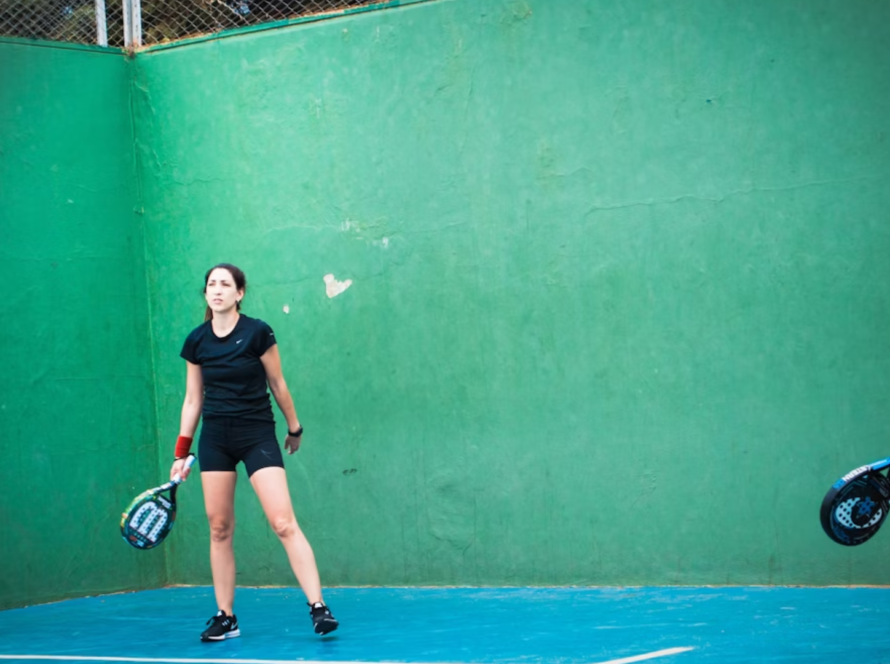
If you’ve ever felt a split-step wobble, slid on dusty concrete, or finished a session with sore heels, your pickleball shoes are probably the culprit. In recreational play, a rally lasts just 8–12 seconds—but you’ll change direction up to six times. On hard courts, lateral forces can spike to more than three times your body weight. That’s a lot of stress riding on two shoes.
The right pickleball footwear stabilizes your ankles, grips when you plant, and cushions repetitive impact—without feeling clunky or slow.

Why Pickleball Shoes Matter
- Rapid lateral moves drive most injuries in pickleball—especially lateral ankle sprains, plantar fasciitis, and Achilles tendinopathy.
- Court shoes are built for side-to-side stability and quick stops/starts. Running shoes are not; they’re designed for heel-to-toe motion and taller stacks.
- The right outsole compound and tread pattern can be the difference between a clean pivot and an ugly slide.
Dedicated pickleball shoes aren’t a luxury. They’re performance and injury prevention tools.
What Makes a Great Pickleball Shoe
Think of your shoe in layers:
- Outsole: Durable, non-marking rubber with pivot circles up front and flex grooves under the forefoot for quick acceleration.
- Midsole: Lightweight foam (EVA, TPU, PEBA) for cushioning and energy return, often paired with a stabilizing shank or plate.
- Upper: Breathable mesh with TPU overlays or leather guards in drag zones to resist abrasion.
- Heel counter: A firm internal cup that locks the heel to reduce wobble.
- Shape (last): Slightly wider forefoot than running shoes to let your toes splay and stabilize.
The 10 Essentials When Choosing Pickleball Shoes
1) Lateral Support
- Look for a midfoot outrigger (a slightly flared sole) for a wider base.
- Midfoot wrap systems (e.g., Dyna-Wrap, 360 Lace) hold your arch during side cuts.
- A 4–8 mm heel-to-toe drop keeps you low and balanced for quicker reactions.
2) Fit for Your Foot Type
- Common width profiles:
- Slim: ASICS Solution Speed FF2, Fila Volley Zone
- Medium: K-Swiss Express Light, Skechers Viper Court Pro
- Wide: New Balance 806, FitVille, SQAIRZ
- Over-pronate? Look for a firmer medial side (e.g., Brooks Court Pro, Head Revolt Evo 2.0).
- Fit tip: Measure both feet at day’s end (they swell). Use brand length charts before ordering.
3) Cushioning vs. Court Feel
- If you want softer landings: Mizuno ENERZY, ASICS FlyteFoam (with ~55–60% energy return).
- If you prefer a firmer, connected feel: K-Swiss SURGE.
- Light, fast players: Adidas Lightstrike offers a snappy ride under 190 lb.
- Hybrids add Gel (ASICS), FuelCell beads (New Balance), or plates (Diadora) for extra pop.
4) Durability vs. Weight
- Heavier isn’t always safer—modern materials deliver stability under 12 oz.
- On outdoor hard courts, rough benchmarks:
- Long-lasting: Babolat Jet Mach 3, SQAIRZ XRZ, Diadora Trofeo 2 AG
- Lighter/faster (moderate life): ASICS Solution Speed FF 3, New Balance 996 V6
- If you toe-drag, look for robust toe wraps rated for serious abrasion.
5) Match Shoe to Surface
- Indoor (wood, polyurethane): Softer “gum” rubber and omni/radial patterns grip best; look for “Indoor,” “IC,” or “CX.”
- Outdoor (painted concrete/asphalt): Harder carbon-rubber blends (Goodyear, Michelin, DuraWrap X) and deeper herringbone.
- Mixed use? Choose a general “PB”/“Court” model with a versatile tread.
6) Breathability & Moisture
- Engineered knits can lower in-shoe temps by 4–6°F versus closed synthetics.
- Ortholite insoles and antimicrobial liners help manage sweat and odor.
- If your feet run hot, prioritize vented uppers and/or perforated outsoles.
7) Midsole Stability Tech
- Shanks: Nylon (light), TPU (rigid), glass-fiber (springy) add torsional control.
- Stack sweet spot: ~15–17 mm forefoot / 23–25 mm heel—cushioned but not tippy.
- “Strobel board” builds feel more flexible; full-length boards feel more stable.
8) Break-In & Comfort
- Knits/mono-mesh: near-instant comfort (e.g., NB Fresh Foam X CT-Rally).
- Leather/thicker synthetics: expect 2–3 sessions to break in. Speed it up by flexing the shoe and wearing thick socks at home for an hour.
9) Budget & Value
- Smart shopping: new color drops often land in Jan/July; previous models can fall 25–40% in price.
- Durability guarantees: Some shoes carry a 6‑month outsole warranty (e.g., Babolat Jet Mach 3).
10) Align with Your Playing Style
- Singles: you’ll cover ~30% more lateral meters—lean lighter and quicker.
- Doubles/volleyers: prioritize stability and bite for micro-steps at the kitchen.
- Defensive players: more cushioning. Aggressive attackers: lower profile, faster transitions.
Indoor vs. Outdoor Traction (And Why It Matters)
- Circular pivot points help with spin and quick changes under the big toe.
- Full herringbone bites dusty outdoor courts. Radial/omni patterns shine indoors.
- Myth: “Any non-marking sole works indoors.” Reality: Outdoor rubber can leave residue and actually slip on gym floors.
Find Your Best Feel: Cushion vs. Response
Ask yourself:
- Do your heels or knees ache after play? Go softer and slightly higher stack (within the 23–25 mm heel range).
- Do you value instant changes of direction and low-to-the-ground feel? Go firmer, thinner, and with a stable shank.
- Are you a heavier player or playing on gritty asphalt? Choose denser foams and tougher rubber compounds.
Dial In the Fit: Foot Type, Orthotics, and Socks
- Women-specific models often have a narrower heel, higher arch, and lower forefoot volume—don’t just “shrink and pink.”
- Orthotics and insoles: Many players swap stock insoles for Spenco (EVA), Blumaka (E‑TPU), or custom orthotics if you have chronic plantar fasciitis or over-pronation.
- Socks matter more than you think:
- Look for right/left designs, double-tab heels, and 45%+ CoolMax or Olefin.
- Thin socks = more court feel; thick terry pads = more shock absorption (may tighten fit by half a size).
Try-On Checklist (At Home or In-Store)
- Wear your actual court socks and orthotics.
- Lace to the top eyelet; use a runner’s loop for extra heel lock.
- Do a mini shuffle, split-step, and gentle toe-drag.
- Target 6–8 mm (about ½ thumbnail) space at the longest toe when standing.
- On tip-toe, heel lift should be under 1 cm.
- Test on a hard surface and listen for that satisfying squeak.
Ankle Support: Low, Mid, or Brace?
- Low-tops maximize mobility and court feel and work well with a quality ankle brace (ASO, Zamst) if needed.
- Mid-tops add collar height and a touch of inversion resistance but also a bit of weight.
- A sturdy heel counter and good lockdown often beat raw collar height for stability per ounce.
Durability, Maintenance, and When to Replace
- Rotate two pairs if you can—foams rebound better after a 24-hour rest, extending life and consistency.
- Quick wear check:
- Bald tread under the ball of the foot?
- Deep lateral creasing in the midsole?
- If yes, cushioning and traction may be down ~40%—time for a new pair.
- Weather tips:
- Hot courts soften rubber; rinse off grit to avoid sandpaper-like wear.
- Cold temps stiffen EVA; consider a softer-foam model or neoprene socks in winter.
Budget, Ethics, and Eco Picks
- Timing your purchase can save big; last-gen models often perform nearly identically for less.
- Sustainability options exist: Adidas Avacourt PB (recycled ocean plastic upper), Wilson Rush Pro Night Session (algae-based insole).
- Vegan? Avoid suede toe wraps—most performance uppers are synthetic today.
Quick Picks to Start Your Search
- Speed/Lightweight: Mizuno Wave Exceed Tour 6
- Stability Tank: SQAIRZ XRZ
- All-Court Durability: Babolat Jet Mach 3 PB (6‑month outsole)
- Indoor Grip: HEAD Motion Pro
- Wide Foot: New Balance Fresh Foam X Lav v2 Wide / FitVille PB Pro
- Value Under $100: K‑Swiss Express Light PB
- Eco Choice: Adidas Avacourt Pickleball
- Pro Tour Choice: Diadem Court Burst
Use these as launch points; always prioritize personal fit and your main playing surface.
Common Myths, Busted
- “Running shoes work fine.” Running shoes are higher, softer, and built for straight-line gait. In lateral sports they can double your injury risk.
- “Heavier shoes are more protective.” Modern foams and plates deliver stability without excess weight.
- “Non-marking = good indoors.” Not always; outdoor compounds can slip on gym floors. Use true indoor rubber.
FAQs
Q1: How often should I replace pickleball shoes?
A: Recreational players (2x/week): about every 6 months. Competitive (3–4x/week): every 60–90 court hours or when tread and cushioning show the wear signs above.
Q2: Can I wear running shoes for pickleball?
A: It’s not recommended. Court shoes offer lower stacks, torsional control, and lateral support that running models lack.
Q3: Do I need high-tops if I’ve had ankle sprains?
A: Not necessarily. A solid heel counter plus a quality ankle brace inside a stable low-cut shoe is often lighter and more supportive than a high collar alone.
Q4: Can I machine-wash my pickleball shoes?
A: Skip the machine. Remove insoles, hand-wash with mild soap, and air-dry away from heat to avoid midsole breakdown or delamination.
Q5: How should pickleball shoes fit?
A: Snug in the heel and midfoot with room for toe splay—about 6–8 mm at the longest toe. No heel slippage and no pinching at the forefoot.
conclusion
Great pickleball shoes do three things: keep you upright, help you stop and go on command, and leave your feet happy after two hours of play. Match the outsole to your surface, choose the cushioning level that fits your body and style, and lock in a dialed fit using the try-on checklist.
Ready to upgrade? Start with the Quick Picks above, then fine-tune for width, support, and traction.