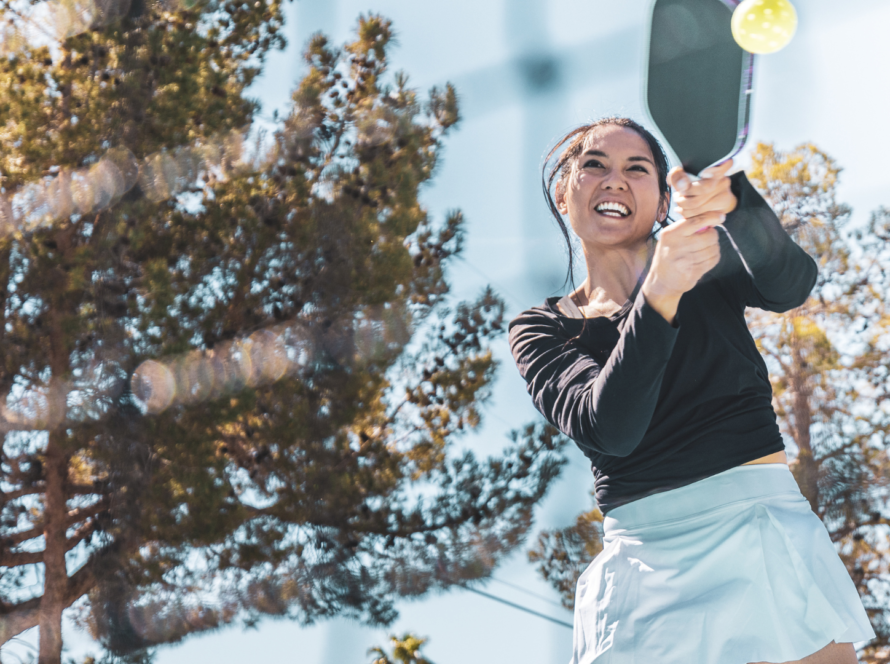
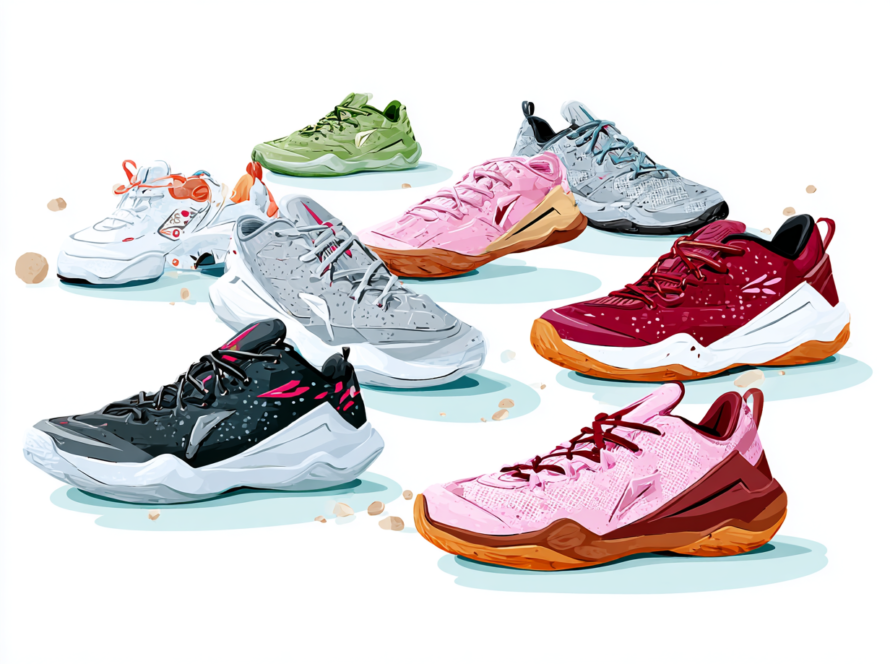
If you’ve stepped onto a hardwood or Sport Court and felt yourself slide a little too far on a sudden stop, you already know shoes matter in pickleball. The game’s side-to-side shuffles, quick pivots, and stop-start bursts are different from running or everyday walking—especially indoors.
So, are indoor pickleball shoes worth it for casual players? Short answer: if you play indoors at least once a week, yes. The right indoor court shoe improves traction, stability, and confidence—and can help you avoid common ankle and foot injuries that sideline players and cost far more than the shoes themselves.

Quick Answer: When Indoor Pickleball Shoes Make Sense
- Play indoors 1+ times per week on hardwood or Sport Court: buy an indoor court shoe (or a pickleball-labeled model) with a non-marking gum rubber outsole.
- Play mostly outdoors or only 1–2 times per month indoors: a solid tennis, volleyball, or racquetball shoe with a non-marking sole can work.
- Avoid running shoes and fashion sneakers indoors.
Bonus perspective: Typical injury treatment (urgent care + PT) runs about $435–$1,050—many times the price of an appropriate shoe.
What Makes an Indoor Pickleball Shoe Different?
Outsole: Grip Without Streaks
- Non-marking gum rubber (softer compound, Shore A 60–65) grips hardwood better than outdoor tennis rubber (usually 70–75).
- Multidirectional herringbone patterns and pivot circles under the forefoot support quick rotational moves.
- A slightly wider forefoot and flared lateral outrigger add stability on lateral stops.
Midsole: Low, Stable, and Torsion-Controlled
- Lower stack height keeps your center of gravity closer to the floor (typically 15–20 mm heel, 5–8 mm toe; 6–10 mm drop).
- A midfoot torsion shank (TPU or fiberglass) helps control twisting during hard cuts.
- Cushioning blends balance comfort with court feel.
Upper: Built for Lateral Moves
- Abrasion-resistant toe guards help if you drag while scooping low balls.
- Structured sidewalls or lace “webs” resist foot splay during slides.
- Breathable meshes and perforated overlays keep heat and sweat in check.
Weight and Extras
- Typical weight: 10.5–13 oz (men’s size 9), often lighter than outdoor court shoes.
- Some models add heel clips for smoother “step-downs” as you backpedal for overheads.
Grip Matters: The Science Behind Gum Rubber
On dry maple gym floors, gum-rubber indoor outsoles show a coefficient of friction around 0.73–0.82 versus 0.55–0.63 for typical outdoor tennis outsoles.
Myth check:
- “Non-marking soles have less traction.” False. Softer gum rubber actually sticks more while avoiding dark streaks.
- “Outdoor shoes last longer indoors.” They may look less worn but can lose effective grip after ~20 hours due to surface glazing.
Cost vs Value: How Much Should Casual Players Spend?
Typical street pricing (USA):
- Entry: $60–$90 (e.g., Asics Gel-Rocket 11, Head Brazer, Babolat Shadow Team)
- Mid: $95–$130 (e.g., K-Swiss Express Light, Adidas Courtflash, Wilson Rush Pro Ace)
- Premium: $130–$170 (e.g., Mizuno Wave Momentum 2, Onix Evoke Premier, Acacia Hypershot 2.0)
- Pro/Super-Premium: $180–$230 (e.g., Adidas Stabil NextGen, Li-Ning Ultra 4, Yonex Power Cushion 65Z3)
Lifespan (indoor use):
- 1x per week: 12–18 months
- 3x per week: 6–9 months
Money-saving tip: Rotate two pairs. Midsoles rebound roughly 15% better after 48 hours of rest, extending life and performance.
Alternatives Compared: What Works (and What Doesn’t)
- Volleyball shoes: Similar indoor grip; slighty higher heel drop. Fine if non-marking.
- Squash/racquetball shoes: Excellent grip; often a narrower fit.
- Tennis shoes (outdoor/all-court): Durable but harder rubber; can squeak-slide on hardwood.
- Running/cross-trainers: Built for straight-line motion; minimal lateral support; higher injury risk.
- Minimalist/barefoot: Great feel but zero lateral protection—only for highly conditioned feet and ankles.
How to Choose the Right Indoor Pickleball Shoe
Match to Your Foot Type
- Wide forefoot: K-Swiss, New Balance, Skechers Viper Court Pro
- Narrow heel, high arch: Asics Blast, Mizuno Wave series
- Over-pronation: Look for a supportive midfoot shank or medial post (e.g., Wilson Rush Pro 4.0)
- Orthotics users: Choose removable 4–5 mm sockliners and a bit of extra internal volume
Match to Your Play Style
- Control-first dinkers/resetters: Lighter, more flexible shoes for quick adjustments
- Power “bangers”: Slightly stiffer torsion shank for stable loading on drives and overheads
Consider Age and Joint History
- Players 55+ or with meniscus history often prefer a shoe with a plusher heel crash pad.
Climate and Comfort
- Humid gyms: Mesh-heavy uppers with antimicrobial footbeds.
- Cold gyms: Synthetic leather or hybrid uppers retain heat but breathe less
Fit and Break-In Tips
- Aim for a thumbnail of space between your longest toe and the toe cap.
- Use a runner’s loop at the top eyelets to lock the heel.
- Do a quick side-shuffle test in-store to check for heel lift.
- Expect a short break-in: gum rubber softens in 1–2 sessions; midsoles settle after 4–6 hours.
Choose synthetic or merino blends with light compression. Cotton traps sweat and raises blister risk.
Care and Maintenance: Keep Your Grip
- Wipe soles with a slightly damp microfiber after each session—dust kills traction.
- Air-dry at least 24 hours; don’t leave shoes sealed in a gym bag.
- Deep clean monthly with mild dish soap and a soft brush; avoid sunlight or heaters.
- Replace when the pivot zone goes bald or the midsole feels “dead” (press-test: if your thumb sinks too easily, cushioning is shot).
Eco and Ethical Options
- On (Swiss brand) pilots a subscription recycling program, turning old shoes into new midsoles.
- Leather-free lines from Yonex and Asics appeal to vegan buyers.
How to Verify a Non-Marking Sole
- Look for “non-marking” text or an icon on the outsole.
- Rub the sole on white printer paper; no dark streak means it’s safe.
- Some facilities require a specific “smiley-face” volleyball icon—check local rules.
A Simple Decision Guide for Casual Players
- You play indoors 0–2 times per month on mixed surfaces: a supportive tennis or volleyball shoe with non-marking sole can suffice.
- Your facility enforces non-marking only: get an entry-level indoor court shoe (<$80).
- You play weekly (3–6 sessions/month) on hardwood or Sport Court: choose a mid-tier indoor pickleball shoe ($90–$130).
- You’re in leagues or play 6+ indoor sessions/month: consider a premium model and rotate two pairs.
- Mostly outdoors with occasional indoor: use an outdoor pickleball shoe that’s certified non-marking for indoor days.
Common Myths, Busted
- “My pricey inserts make any shoe pickleball-ready.” Orthotics help alignment but don’t add lateral stability; you still need structured sidewalls and a proper outsole.
- “Non-marking means slippery.” Non-marking gum rubber is typically grippier on hardwood than outdoor compounds.
- “If it doesn’t look worn, it’s fine.” Grip can degrade long before the tread looks thin due to glazing and dust.
FAQs
Q1: Can I wear volleyball shoes for indoor pickleball?
A: Yes. Volleyball shoes are designed for hardwood with non-marking gum rubber and good lateral support. Just ensure the fit and heel drop feel stable for you.
Q2: How long do indoor pickleball shoes last?
A: For once-a-week indoor players, expect 12–18 months. At 3x per week, plan on 6–9 months. Rotating two pairs extends life and keeps cushioning responsive.
Q3: Can I machine-wash my shoes?
A: No. Heat and agitation can delaminate the midsole and weaken adhesives. Spot-clean with mild soap and air-dry.
Q4: Which socks are best for indoor pickleball?
A: Synthetic or merino blends with targeted compression. They manage sweat and reduce hotspots; avoid cotton.
Q5: Do men’s and women’s models differ?
A: Generally, yes. Women’s lasts are narrower in the heel and lower in the instep. Some brands offer wide women’s options (D or Wide B).
Are Indoor Pickleball Shoes Worth It?
If you play indoors more than a couple of times per month, indoor pickleball shoes are absolutely worth it. You’ll get better traction, more stable lateral support, and fewer “oh no” slides near the kitchen—plus a reduced risk of common ankle and foot injuries. For rare indoor sessions or mixed-surface dabbling, at least choose a non-marking court shoe and skip running shoes entirely.
Try a mid-tier indoor court shoe with a non-marking gum rubber outsole and a secure, locked-in heel. Test the fit with side shuffles, wipe your soles before every session, and enjoy the confidence that comes with better grip and smarter protection.
Your ankles will thank you.