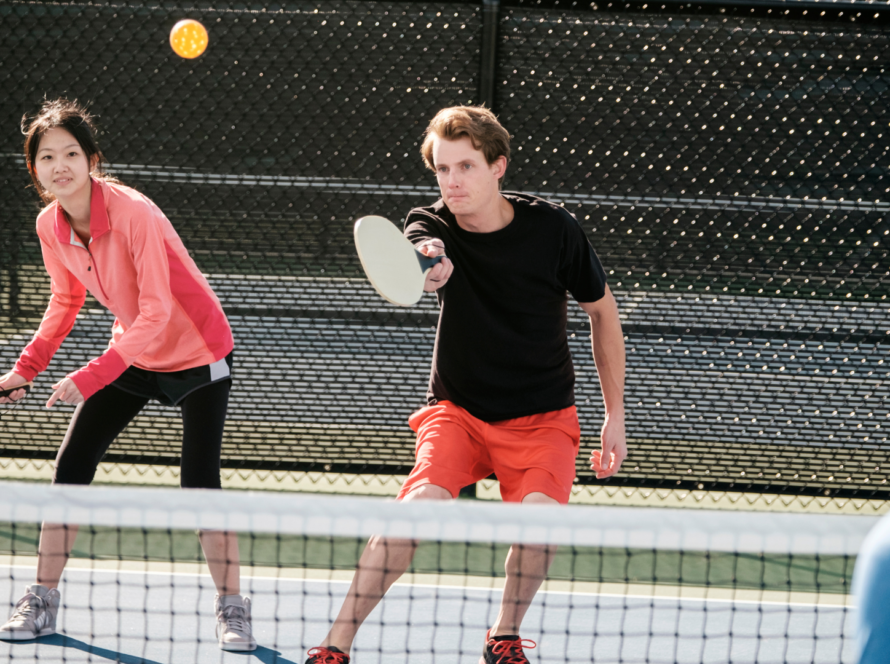
If you’re serious about playing better indoor pickleball—and protecting your joints while you do it—the right shoes are non-negotiable. Indoor courts demand different grip, support, and cushioning than running or outdoor court shoes. Get this right and you’ll move faster, stop safer, and feel fresher after long sessions.
This step-by-step guide translates pro-level shoe tech into plain English so beginner and intermediate players can buy with confidence. Use it to evaluate any pair on the wall (or in your cart) and walk onto the court ready to win more points.

Core Performance Features You Should Check First
1) Non-marking, court-approved outsoles
Many facilities check soles before you play.
- Look for “NON-MARKING” on the packaging or tongue label.
- Natural or synthetic gum rubber delivers the best stick-then-slide feel on hardwood and polyurethane floors.
- Color doesn’t equal compound: white or translucent soles can still mark if the rubber formula is wrong.
No non-marking label, no go.
2) Reliable, multi-directional traction
You need grip to start fast and enough release to avoid knee-yanking stops.
- Traction patterns: herringbone, modified herringbone, or omni-court with deep forefoot flex grooves.
- A pivot point (smooth circular zone under the ball of the foot) helps you spin and reset with less knee torque.
- Skip aggressive outdoor “treads.” They bite too hard indoors and can cause abrupt stops or strain.
3) Lateral support and torsional stability
Most pickleball injuries happen on side-to-side moves, not straight ahead.
- Midfoot “shank” plates (TPU, carbon, Pebax) limit unwanted twisting.
- External sidewalls or outrigger flares widen your base to keep your center of gravity over the shoe during wide reaches.
- Look for a wrapped or raised rubber bumper on the toe to handle drag during low volleys and dinks.
4) The weight-to-support ratio
Faster is great—until your shoes fold on a hard cut.
- As a benchmark, sub-12 oz (≈340 g) per shoe suits quick movers; under 10 oz is featherweight.
- Ultra-light often means less durability in the toe/outsole. Frequent players need a balance of speed and structure.
5) Impact protection and energy return
Pickleball is repetitive stop-start. Your joints will thank you for good foam.
- Common tech: ASICS Gel, New Balance FuelCell, Nike Zoom Air, Adidas Lightstrike/Boost, Mizuno Wave, Skechers HyperBurst.
- Heavier athletes and harder courts benefit from more midsole depth and slightly softer durometer foams.
If your heels or knees ache after play, you likely need more cushioning or a better shank.
6) Customizable fit options
A great shoe that doesn’t fit you isn’t a great shoe.
- Widths: New Balance (2A–4E), K-Swiss (standard/wide), ASICS (narrow/standard/wide).
- Removable sockliners let you add orthotics or custom insoles (helpful for plantar fasciitis, flat feet, or high arches).
- Heel lockdown: a firm heel counter plus using the extra eyelets for a runner’s loop can stop heel lift and blisters.
Comfort and Health Factors
7) Breathability and moisture management
Hot feet equal hot spots and blisters.
- Engineered mesh, knit uppers, or perforated synthetics improve airflow.
- Anti-microbial insoles (Ortholite, EcoStep, etc.) reduce odor during tourneys and double sessions.
8) Heel-to-toe drop and court feel
This is the height difference between heel and forefoot.
- Typical indoor court shoes sit between 4 mm (low, more court feel) and 10 mm (traditional).
- Lower drops improve balance at the NVZ (kitchen) but can stress the Achilles if you’re used to high-drop running shoes. Transition gradually.
9) Ankle height and collar padding
Find the right balance of freedom and feedback.
- Mid-cut models add a touch of proprioceptive support without taping, helpful if you’ve had minor sprains.
- Memory-foam collars mold around ankle bones to reduce rubbing and blister risk.
10) Gender-specific and senior-friendly engineering
Fit and cushioning priorities vary.
- Women’s lasts typically have narrower heels and higher arches; unisex fits often suit men better.
- Players 55+ may prefer extra cushioning to reduce joint impact (think ASICS Gel-Resolution 9, New Balance Lav v2).
Durability and Value
11) High-wear reinforcements
If you slide, lunge, and drag, durability matters.
- Look for toe drag guards (K-Swiss), supportive overlays (ASICS Dynawrap), or protective cages (Mizuno RPU).
- Check outsole thickness at pivot zones. Cheap compounds can thin out in 12–16 hours of play.
12) Stitching, bonding, and upper materials
Construction tells the longevity story.
- Welded/heat-bonded seams resist abrasion better than single-stitch seams.
- PU or Kurim overlays shield mesh while maintaining airflow.
13) Replaceable insoles and rotation strategy
Keep your ride fresh and your joints happier.
- Swap stock insoles every 60–80 court hours.
- Rotate two pairs to let midsoles rebound for 48 hours between sessions.
- If you play 4–5 times a week, expect to retire pairs every 5–7 months.
Specialty and Eco Options
14) Pickleball-specific lines
These are tuned for the lighter indoor ball and quick kitchen-line shuffles.
- Examples: Selkirk Pro CourtStrike, Babolat Jet Mach 3 Pickle, K-Swiss Pickleball Supreme.
- Typical tweaks: slightly lower stack height and medial forefoot outriggers for fast side steps.
15) Court/volley crossover models
Volleyball, handball, squash, and badminton shoes can perform brilliantly indoors—just confirm “non-marking.”
- Volleyball: Mizuno Wave Momentum 3
- Handball: Adidas Stabil series
- Squash/Badminton: Yonex PowerCushion line
16) Sustainability and vegan construction
Play hard, tread lighter.
- Look for recycled uppers and solvent-free glues from brands like Adidas (Parley), On, and Wilson Rush Pro Ace.
Buying and Maintenance Checklist
17) In-store fit protocol
Replicate real play when you try shoes.
- Shop late afternoon when feet are slightly swollen.
- Wear your match-weight socks.
- Do split-steps, lunges, and lateral slides right in the aisle.
- Aim for a thumbnail of space (6–8 mm) from your longest toe to the front.
18) Online purchasing tips
Reduce guesswork before you click.
- Choose retailers with 30-day play-test returns (e.g., Tennis Warehouse, Pickleball Central, Holabird Sports in the U.S.).
- Watch video reviews to gauge toe-box height, true-to-size fit, and stability—not just numeric length.
19) Care and cleaning
Preserve traction and cushioning.
- Wipe soles after every session to remove dust that kills grip.
- Air-dry shoes; avoid hot cars—heat degrades EVA/PU foams quickly.
- Use cedar shoe trees or stuff with newspaper between matches.
Common Injuries and How Shoes Help
- Plantar fasciitis: Deep heel cups, firm arch bridges, and a slight forefoot rocker reduce strain on the fascia.
- Ankle sprains: Mid-cuts, widened outriggers, and rigid heel counters reduce inversion/eversion.
- Metatarsalgia: Wider toe boxes and plush forefoot foams (FuelCell, Zoom Air) diffuse forefoot pressure.
- Knee pain: Softer midsoles and supportive shanks help mitigate shock and reduce over-pronation torque.
If pain persists, consult a qualified medical professional or podiatrist.
Quick Picks: Match Your Priorities
- I want maximum grip and stability: Look for gum rubber outsoles, outrigger sidewalls, and a TPU shank.
- I want speed and lightness: Target sub-12 oz models with responsive foams, but verify toe durability.
- I have wide feet: Start with New Balance (2E/4E) or K-Swiss wide offerings.
- I’m a senior or have joint sensitivity: Choose extra cushioning, stable heels, and softer midsoles.
FAQ: Indoor Pickleball Shoes
Q1: Can I wear running shoes for indoor pickleball?
A: Not recommended. Running shoes are built for forward motion and softer outdoor surfaces. They lack lateral support and have outsoles that can slip or mark indoor courts.
Q2: Do volleyball shoes work for indoor pickleball?
A: Yes—many volleyball and handball shoes are excellent indoors. Just confirm “non-marking” outsoles and make sure the traction isn’t overly sticky for your court.
Q3: How do I know when to replace my shoes?
A: Signs include smooth or shiny outsole zones, decreased grip, midsole “bottoming out,” new aches after play, or visible tears. Most frequent players replace pairs every 5–7 months.
Q4: What heel-to-toe drop should I choose?
A: If you want more court feel and quick balance at the kitchen, try 4–6 mm. If your calves/Achilles are sensitive, a traditional 8–10 mm can be more comfortable.
Q5: Are pickleball-specific shoes worth it?
A: For many players, yes. They’re tuned for indoor slide distances and lateral moves at the NVZ. That said, a great indoor court shoe from volleyball or handball can perform just as well.
Conclusion: Your Next Step to Better Indoor Play
The perfect indoor pickleball shoes blend non-marking traction, lateral stability, and a fit tailored to your feet. Start by confirming the outsole, then dial in support, cushioning, and width. Rotate pairs, keep soles clean, and replace insoles on schedule to protect your body and your game.
Ready to move better on indoor courts? Use this checklist at your local shop—or order two sizes from a retailer with play-test returns—then hit the kitchen line with confidence. Your feet (and your win column) will notice the difference.