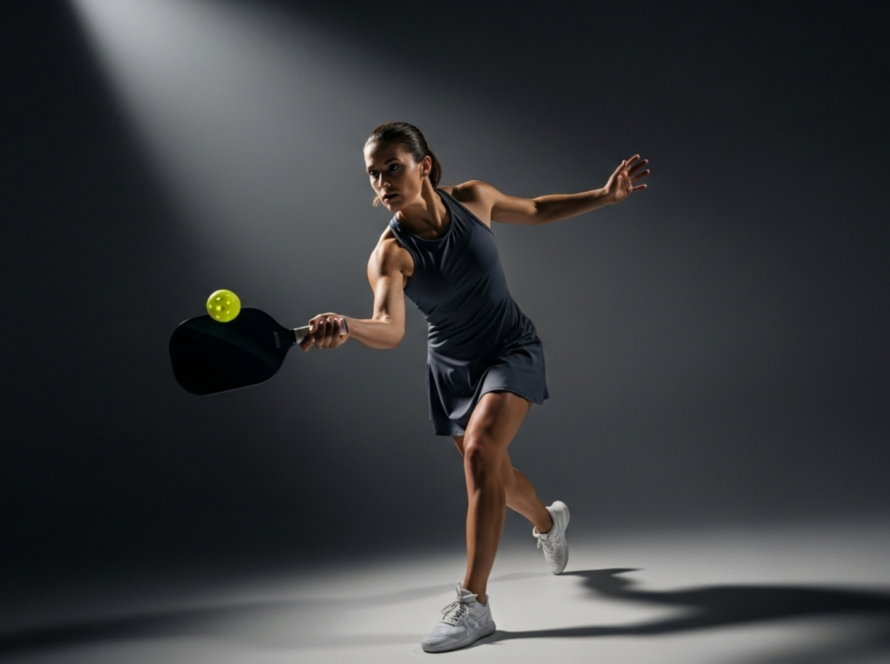
If you’ve felt that “wobble” during a hard lateral cut or a sting under your heel after a long rally, your shoes are likely the culprit. Pickleball isn’t running. The stop/start pace, split-steps, and side-to-side lunges load your ankles, knees, and lower back in totally different ways—so the right court shoe is more like a piece of equipment than a fashion choice.
This guide breaks down exactly what to look for, the models that do it best in 2025, how to dial in your fit, and the simple maintenance habits that keep you healthy and explosive. Whether you’re a beginner chasing confidence or an intermediate player chasing more wins, the right pair can reduce injury risk, boost stability, and make the court feel smaller under your feet.

Anatomy of a Pickleball Shoe That Prevents Injuries
Lateral Stability
- Outriggers or flared sidewalls widen your base to resist rollover.
- Rigid midfoot “chassis” pieces—TPU shanks, graphite plates, or carbon-infused wings—dampen torsion and help prevent ankle rolls.
Controlled Cushioning
- Midsole density around 45–55 C (Shore A) balances shock absorption and court feel.
- Dual-density midsoles (softer heel, firmer forefoot) can ease heel pain and plantar fasciitis while keeping push-off crisp.
Targeted Traction
- Outdoor courts: Durable gum or high-carbon rubber with deep herringbone/modified chevron patterns to bite into textured paint and grit.
- Indoor courts: Finer siped rubber that sheds dust and reduces “stick-and-twist” injuries.
Locked-In Upper & Ankle Support
- Mid-foot straps, BOA lacing, or semi-integrated knit collars keep the heel (calcaneus) centered.
- Heel counters around 1.6–2 mm reduce rear-foot motion and irritation to the Achilles.
Ergonomic Toe Box
- 4–6 mm wider than typical running shoes lets toes splay on deceleration, reducing blister risk.
Weight & Drop
- Ideal weight: 11–14 oz (Men’s 9) / 9–12 oz (Women’s 8).
- Heel-to-toe drop of 4–8 mm keeps your center of gravity low without overloading calves.
Best Pickleball Court Shoes 2025: Lab-Tested & Player-Verified
General-Purpose, Best-in-Class
- SQAIRZ XRZ: Widest base in the category (+7 mm lateral flare), reinforced eyelet web, Michelin outsole compound. Outstanding ankle security—great for bigger athletes or anyone seeking maximum stability.
- HEAD Motion Pro BOA: 360° wrap knit with BOA Li2 dial and TPU PowerPlate. Elite lockdown for aggressive lateral movers and quick change-of-direction players.
Light & Fast (Speed Category)
- Diadem Court Burst: ~12.1 oz men’s sample, Pebax energy plate, high-rebound E-TPU heel. Ideal for quick-footed players with narrow-to-average forefeet who want pop and agility.
- New Balance FuelCell 996v5: FuelCell foam, NDurance rubber, NDure medial drag-guard. A smooth transition for pickleball players or anyone, responsive ride.
Max Cushion / Plantar-Fasciitis Relief
- ASICS Gel Resoultion X: Forefoot GEL + FlyteFoam, external wrap-up outrigger, AHAR Plus rubber; APMA-approved for arch support. Comfort without giving up stability.
- Skechers Viper Court Elite: Hyper Burst Pro midsole, Arch Fit insole (podiatrist-certified), Goodyear outsole. Feather-light feel with excellent cushioning for heel pain.
Wide / High-Volume Feet
- K-Swiss Ultrashot 3: Generous forefoot width, DuraWrap XR toe protection, Surge 7.0 cushioning; half sizes up to 15. A great “workhorse” fit.
- Babolat Propulse Fury 3 AC: PowerBelt strap system with Kompressor heel and available EEE last. Locks in wide feet without squeezing the forefoot.
Environment-Specific Picks
- Outdoor Heat: Adidas Barricade Clay with heat-reflective mesh and recycled BOOST midsole to tame hot courts.
- Cold / Moisture: Yonex Power Cushion Eclipsion 5 Water-Repel with hydro-guard upper for wet mornings or chilly winter gyms.
Extra Injury-Prevention Tools
- Biomechanical socks: Graduated-compression crews for ankle proprioception; padded anklets (Balega Enduro) to reduce blister friction; silicone heel cups for severe heel pain days.
- Custom orthotics/OTC insoles: 3 mm carbon fiber shells for midfoot control; high-density EVA for athletes over ~210 lb who compress foam faster.
- Strength and mobility:
- 15-minute dynamic warm-up on court (monster walks with bands, calf raises, hip abductions).
Injuries Most Commonly Mitigated by Proper Court Shoes
- Lateral ankle sprain and chronic instability
- Plantar fasciitis and heel pad syndrome
- Metatarsalgia/Morton’s neuroma from narrow toe boxes
- Achilles tendinopathy (via supportive heel counters and appropriate drop)
- Knee valgus stress (controlled pronation via stable platforms)
What to Avoid
- Running shoes: Designed for straight-ahead motion with narrow bases and soft, elevated heels that can wobble on lateral cuts.
- Minimalist/barefoot styles: Insufficient impact damping and torsional control—higher metatarsal stress risk.
- Heavy cross-trainers (>15 oz): Sluggish response and higher fatigue.
- Overbuilt motion-control “bricks”: Excess posting can shift stress to knees/hips.
Frequently Asked Questions
Q1: Can I wear running shoes for pickleball?
A: Not recommended. Running shoes are built for forward motion with softer, taller heels and narrow bases that can increase rollover risk. Court shoes provide lateral stability, torsion control, and traction patterns designed for pivots and slides.
Q2: How do I know if I need a wide shoe?
A: Signs include toe numbness, forefoot hot spots, or your little toe pressing into the upper during lateral moves. If you see upper bulging along the forefoot or your insole shows wear at the outer edges, consider wide/high-volume models like K-Swiss Ultrashot 3 or Babolat Propulse Fury 3 AC.
Q3: How long do pickleball court shoes last?
A: Typically 60–70 hours outdoors and 80–90 indoors. Replace sooner if the outsole loses pattern, the midsole feels flat, or the upper no longer locks your heel.
Q4: Are BOA laces worth it?
A: If you want quick on/off and micro-adjustable lockdown that doesn’t loosen mid-match, yes. The HEAD Motion Pro BOA is a standout for heel hold and consistent fit.
Q5: What’s different about outdoor vs. indoor traction?
A: Outdoor shoes use tougher rubber and deeper patterns to grip textured acrylic and grit. Indoor shoes favor finer siped rubber that sheds dust and avoids “sticky” catches that can torque the knee.
Conclusion
The fastest way to reduce injury risk and feel more confident on every lateral cut is choosing a pickleball-specific court shoe with a wide, stable base, controlled cushioning, court-appropriate traction, and a secure, foot-type-matched fit. Start with the categories above—stability, speed, max cushion, wide fit, and budget—and match them to your surface and foot mechanics. Pair your shoes with protective socks, simple strength work, and a smart replacement cycle, and you’ll play faster, longer, and pain-free all year.
Ready to upgrade? Pick a model from the 2025 list that fits your foot and court, and test it in warm-ups this week.
Your ankles, heels, and knees will thank you.