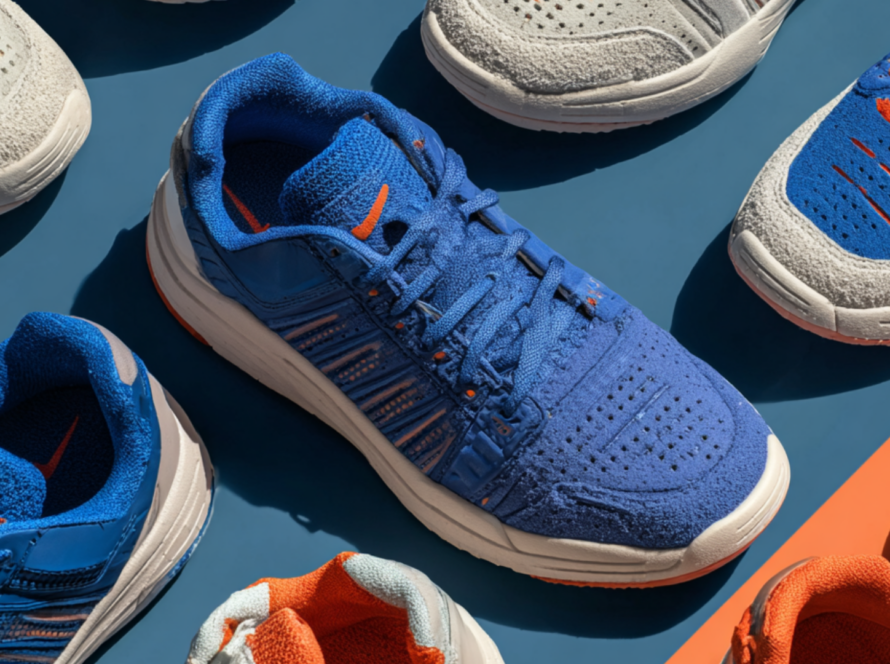
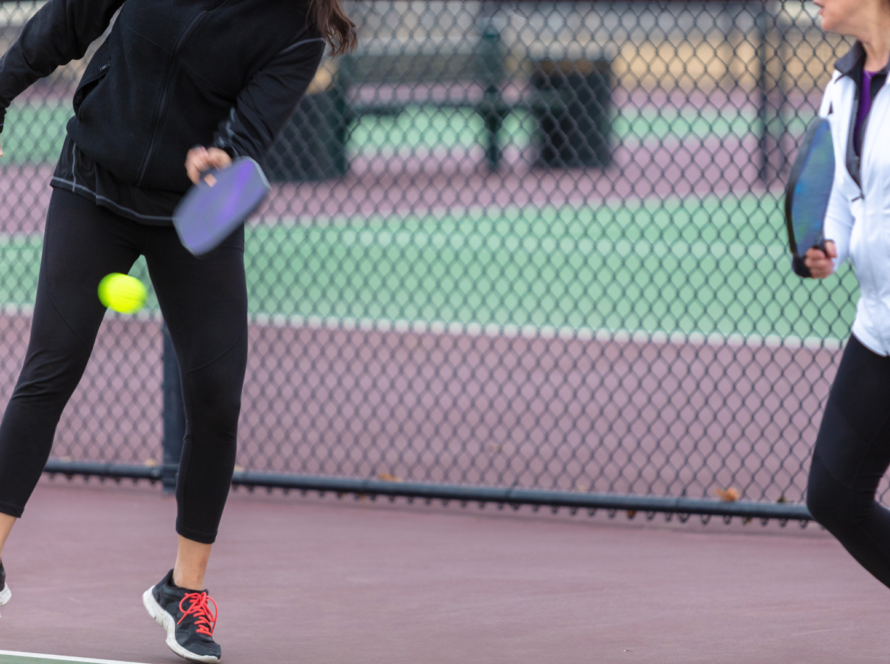
If you’re new to pickleball or playing once or twice a week, it’s fair to wonder: do you really need pickleball-specific shoes? Or will your comfy runners do just fine?
Here’s the simple truth: pickleball asks your feet and ankles to do a very different job than running or walking. Shoes built for those stresses can keep you upright, reduce aches, and even make you feel quicker on court. That doesn’t mean you need the most expensive pair—but a court-specific shoe is more than marketing.
Below, you’ll find a practical breakdown of the why, what, and how to choose, with real data and tips geared to beginners and intermediate players.
The Short Answer: Are Pickleball Shoes Worth It for Casual Players?
Yes—especially if you play on hard courts. The sport’s side-to-side, stop-start movement means you’ll benefit from better lateral support, safer pivots, and more reliable grip. Casual players report less foot fatigue and more confidence at the kitchen line, and injury risk drops compared with running shoes. If budget is tight, a tennis shoe with a non-marking sole is the next-best choice.
Why Pickleball Shoes Exist: The Biomechanics in Plain English
Pickleball isn’t jogging in disguise. It’s closer to tennis or squash:
- 65–75% of points involve a lateral shuffle within about 3 meters, with over 250 micro-pivots per hour.
- Peak forces on hard outdoor courts can reach 3–4 times your body weight.
- That quick “kitchen line hop” creates ankle angles roughly double what you see in jogging.
Running shoes are designed to cushion straight-ahead motion (about 1.5–2x body-weight forces), not aggressive side-cuts. Court shoes strengthen the sidewalls, lower your center of gravity, and add features like TPU outriggers to help prevent rolling an ankle.
What Makes a Pickleball Shoe Different?
Outsole (Traction and Durability)
- Indoor: softer, non-marking gum rubber grips hardwood and gym surfaces.
- Outdoor: firmer carbon rubber with UV stabilizers; deeper tread to handle painted concrete/asphalt.
- Look for modified herringbone patterns and pivot circles under the ball of the foot to smooth direction changes.
Midsole (Stability and Cushion)
- Low-profile EVA or PU foams (about 8–14 mm) keep you closer to the ground for balance.
- Heel crash pads (gel/air/proprietary foams) blunt vertical shock.
- A shank or medial post improves torsional control—rare in running shoes.
Upper (Lockdown and Protection)
- Breathable mesh with synthetic overlays in abrasion zones.
- Toe-drag guards protect when you stretch for low dinks.
- Integrated lacing systems connect to the midsole to lock the midfoot.
Internal Support
- External heel counters and internal clips reduce rear-foot wobble.
- Removable insoles make room for custom orthotics if you use them.
Weight
- Typically 11–14 oz for men, 9–12 oz for women—light enough for quickness with enough substance for cushioning.
Indoor vs Outdoor Pickleball Shoes
Indoor
- Non-marking gum rubber for sticky traction on hardwood or gym flooring.
- Slightly softer midsoles since floors have more give.
Outdoor
- Firmer rubber and deeper tread for asphalt or painted concrete.
- Extra toe bumpers and sidewall wraps for durability.
- Often treated to handle UV and heat.
Pro tip: If you play both, consider owning two pairs. You’ll get better grip for each surface and extend each pair’s lifespan.
Injury Prevention and Foot Health: The Underrated Benefit
- In ER data from 1,332 pickleball visits, 78% were lower-limb injuries; ankle sprains were common, and improper footwear showed up in over half of cases.
- Foot and ankle guidelines suggest court-specific shoes can cut lateral ankle sprain risk by around 50% versus running shoes.
- Plantar fasciitis is common among recreational players; supportive court shoes plus basic stretching lowered recurrence by over 40% in a pilot program.
Bottom line: the right shoe is one of the cheapest ways to prevent nagging injuries and missed court time.
Performance Gains You Can Feel (Even as a Beginner)
- 7–10% faster side-step times versus running shoes in university testing.
- Players report higher confidence on aggressive shots near the non-volley zone.
- Reduced post-match foot fatigue on perceived exertion scales.
You won’t magically gain pro-level footwork, but you’ll feel more planted and ready to react.
How Long Do Pickleball Shoes Last?
- Rule of thumb: 45–60 hours of play, or when the outsole’s pivot circles smooth out.
- Casual player at ~2 hours/week: roughly 6–8 months.
- Midsole test: press your thumb into the heel foam—if the dent lingers, cushioning is cooked.
- Rotate pairs: alternating between two pairs can extend life by 20–25% as the foam rebounds.
Fit and Buying Checklist
Use this in the store or when you unbox:
- Leave a thumb-width of space in front of your longest toe.
- Zero heel lift when you skip or hop.
- Midfoot snugness without pinching; if you use orthotics, confirm a removable insole and adequate volume.
- Wide forefoot? Look for 2E widths or flexible overlay uppers (e.g., K-Swiss, New Balance).
- High arches or need more support? Try models with a sturdier medial post (e.g., ASICS Gel-Renma).
- Over-pronators may benefit from an over-the-counter sport orthotic—ensure the shoe has space.
Pro tip: Try shoes at the end of the day when your feet are slightly swollen. Wear your usual court socks.
Cost, Value, and Smart Alternatives
Price bands (USA):
- Entry: $60–$85 (e.g., Fila Volley Zone, HEAD Revolt Evo)
- Mid-tier: $90–$120 (e.g., ASICS Gel-Renma, Babolat SFX3)
- Flagship: $125–$160 (e.g., K-Swiss Express Light Pickleball, Adidas Barricade PB)
Why it’s worth it:
- Average ER visit for an ankle sprain can top $1,100, plus rehab.
- Replacing one pair per year often works out to less than $10/month.
Alternatives:
- Tennis shoes: deliver 80–90% of the benefits—solid choice if you already own a pair, especially for outdoor play. Note: some lack non-marking soles for indoor courts.
- Running shoes: great for warm-ups or the treadmill, but poor lateral support and higher stack heights can increase rollover risk.
Real-World Voices
- “Even my 60-year-old twice-a-month clients get fewer flare-ups of Achilles tendinitis when they switch to a stable court shoe.” — Dr. Melissa Pro, DPM
- In a beginner focus group (n=22), most felt noticeably surer at the kitchen line after upgrading; one player stuck with soft runners and later sprained an ankle.
- Senior pro Leigh Waters goes through a pair every six weeks on tour—proof of how hard the sport is on footwear.
Care and Maintenance That Actually Works
- Brush dirt out of treads after outdoor play to restore grip.
- Air-dry; avoid heaters or dryers (they can weaken glue).
- Use cedar shoe trees to reduce odor and maintain shape.
- Wash laces and insoles separately every few weeks.
- Write the purchase date inside the tongue with a marker to track lifespan.
Sustainability Options
- Some lines use recycled materials (e.g., recycled polyester uppers).
- Prototype models are exploring bio-based foams and replaceable outsoles to reduce waste.
- End-of-life: programs like shoe recycling collect worn court shoes for playground surfaces.
FAQs
Q: I only play once a month—do I still need pickleball shoes?
A: You won’t wear them out quickly, but the stability and injury prevention still matter. On a tight budget, a quality tennis shoe with a non-marking sole is a solid alternative.
Q: Can I wear my pickleball shoes to the gym?
A: Yes for strength training, classes, and general workouts. Avoid long treadmill runs—the lower stack height and firmer feel can be harsh.
Q: Do I need different shoes for singles vs. doubles?
A: Singles involves more court coverage. Choose slightly more cushioning. Doubles emphasizes lateral bursts—lean toward maximum stability and traction.
Q: Do socks really matter?
A: Absolutely. Padded, moisture-wicking crew socks help with fit, reduce blisters, and keep feet drier. Brands like Balega or Thorlo are popular.
The Takeaway
For casual players, pickleball shoes deliver real-world benefits: safer lateral support, better grip, less fatigue, and a lower chance of sprains compared with running shoes. You don’t need the priciest model—an entry or mid-tier court shoe (or a solid tennis shoe if you’re budget-conscious) will cover most needs.
Next steps:
- Decide where you mostly play—indoor or outdoor—and choose traction accordingly.
- Try on at least two models and do a quick-hop test for heel lock and midfoot security.
- Set a reminder to reassess at 45–60 hours of play or when the pivot circles smooth out.
Lace up something built for the sport, and your feet—and your game—will thank you.