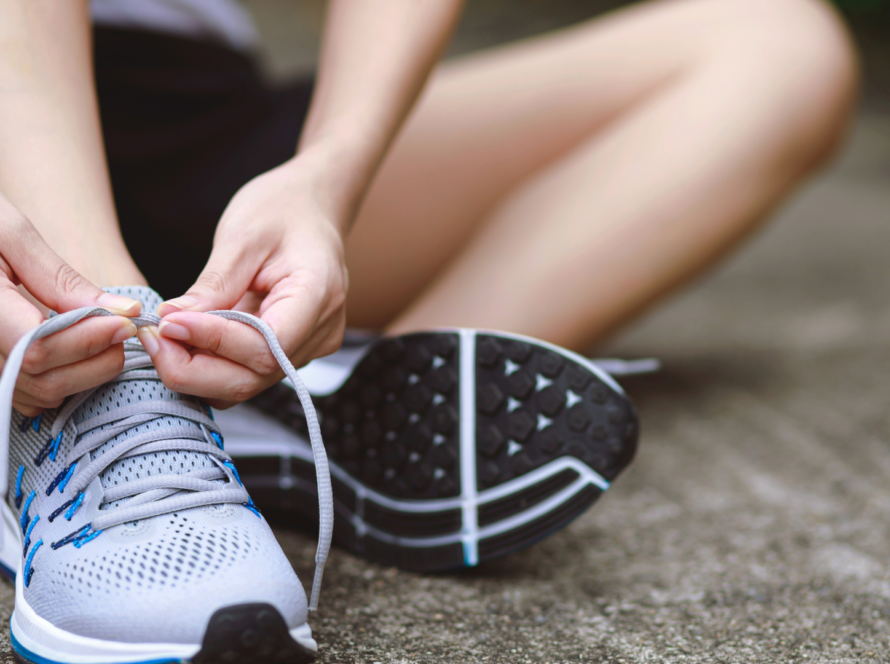
If you’ve fallen in love with pickleball, your shoes might be the most important gear you haven’t thought much about yet. The right pair can boost your quickness, improve stability, and help prevent nagging aches that creep in after a few weeks of play.
Pickleball movement is unique. Players produce far more side-to-side force than in running, and rallies demand repeated quick stops and starts. In other words, daily trainers and old sneakers aren’t designed for what your feet are doing on the court. In this guide, you’ll learn exactly what to look for in pickleball shoes, how to get a dialed-in fit, the mistakes to avoid, and the models coaches recommend right now. We’ll keep it beginner-friendly while giving you pro-level insight to make a smart choice.
Why Pickleball Shoes Are Different
Lateral power and stop–start loads
Pickleball is a lateral sport. Motion-analysis research shows players generate up to 70% of peak ground-reaction force side-to-side, compared with roughly 30% in running [4]. Add in more than 400 meaningful decelerations in a 15-minute rally window—higher than tennis—and your shoes need to cushion, stabilize, and grip for constant braking and direction changes [5].
What that means for you:
- Prioritize lateral stability and midfoot support over plush “running shoe” softness.
- Look for a secure heel and midfoot “hug” that keeps your foot from rolling.
Smaller court, smarter outsole
Because the court is smaller, you’ll take more micro-steps and pivots. Outsoles built for pickleball or tennis use shallower herringbone or omni-directional patterns, often with circular “pivot points,” to give traction without sticking during quick turns [6]. Running shoes aren’t designed for this, and their softer foams can feel tippy during lateral moves.
9 Sneaky Pickleball Shoe Mistakes (and Quick Fixes)
- Ignoring heel-to-toe drop and stack height
- Why it matters: A very high heel drop (10–12 mm) can pitch you forward and make controlled toe stops harder.
- Quick fix: Most coaches prefer sub-8 mm for pickleball; aim for moderate stack so you feel stable and connected to the court [7].
- Buying the wrong weight class
- Why it matters: Lab tests show shoes over 14 oz (men’s size 9) can slow split-step quickness, while ultralights under 11 oz often wear out fastest at the medial forefoot—the hottest wear zone [8].
- Quick fix: Choose a balanced weight (roughly 11.5–13.5 oz) unless you know you need a tank or a featherweight.
- Skipping the break-in period
- Why it matters: EVA midsoles need 2–3 hours to “relax.” Jumping into a tournament in box-fresh shoes invites hot spots and blisters [9].
- Quick fix: Break them in with two shorter sessions before any long play.
- Ignoring foot type and orthotic compatibility
- Why it matters: Around 60% of adults over-pronate. If your shoe has a non-removable insole, there may be no room for your orthotic. Those with hallux rigidus (stiff big toe) often benefit from a rocker forefoot—rare in budget models [10, 11].
- Quick fix: Choose a neutral-last shoe with a removable insole if you use inserts; consider rocker features if your big toe is limited.
- Overlooking gender-specific lasts
- Why it matters: Women tend to have proportionally narrower heels and lower calf volume. Wearing a men’s-last “shrink it and pink it” model can cause heel lift and Achilles irritation [12].
- Quick fix: Pick shoes built on women’s-specific lasts if you have a narrow heel, or use a runner’s knot to lock the heel.
- Neglecting climate and temperature
- Why it matters: At 85°F+ court temps, many foams lose up to 15% of rebound. TPU or nitrogen-infused foams perform more consistently in heat than standard EVA [13].
- Quick fix: If you play in hot climates, seek midsoles made with TPU or nitrogen-infused EVA.
- Failing to rotate pairs
- Why it matters: Foams rebound to about 90% within 24 hours. Rotating two pairs extends life by roughly 30% and cuts odor buildup [14].
- Quick fix: Alternate pairs if you play more than twice per week.
- Improper cleaning and storage
- Why it matters: Hot water washing and 140°F car trunks accelerate EVA hydrolysis and halve midsole life [15].
- Quick fix: Clean with cool water and mild soap; air-dry away from direct heat; don’t trunk-bake your shoes.
- Disregarding sustainability and end-of-life options
- Why it matters: Brands now offer take-back programs, and players increasingly prefer landfill avoidance [16].
- Quick fix: Use programs like Nike Reuse-a-Shoe or adidas Give-Back when your pair is spent.
How to Choose the Right Pickleball Shoes
Match your outsole to the court
- Indoor courts (wood, PU, gym floors)
- Best: Natural rubber (NR) for maximum grip.
- Watch out: NR scuffs quickly outdoors [17].
- Outdoor courts (asphalt, acrylic)
- Best: High-carbon blends designed for abrasion, like XDR, AHAR+, or NDurance [17].
- Pattern: Shallow herringbone or omni-directional with pivot circles to aid quick turns [6].
Pro tip: If you play both indoors and outdoors, consider separate pairs to optimize grip and durability—and to keep dust and grit off indoor floors.
Midsole and stability tech that actually matters
- Midsole foams
- Compression-molded EVA: light, affordable, but “packs out” fastest.
- TPU-based foams (e.g., Boost): heavier, excellent energy return, more heat stable.
- Nitrogen-infused EVA (e.g., Hyperburst): light and resilient; a sweet spot for many players.
- Shank/torsion plate
- A TPU or carbon torsion plate under the midfoot limits over-twisting and helps protect the plantar fascia [18]. If you’ve had arch pain, prioritize this.
- Upper construction
- Breathable mesh with TPU hot-melt overlays balances ventilation and durability.
- Full-knit uppers can feel comfy but may stretch laterally; only choose knit if the shoe adds integrated support strands or wrap systems [19].
Weight, drop, and stack: finding your balance
- Heel-to-toe drop: Aim under 8 mm for better balance on stops [7].
- Weight: 11.5–13.5 oz is a good all-round range for many players [8].
- Stack height: Moderate is best; extremely high stacks can feel tippy laterally.
Podiatrist-Approved Fit Check (5-Minute Protocol)
Use this quick in-store or at-home test before you commit:
- Stand and do a half-squat: Your toes shouldn’t hit the front.
- Lateral rock test: Shift weight side-to-side. Midfoot and ankle should feel “hugged,” without rolling.
- One-leg figure-8 hop: If you feel pinching near the 5th metatarsal (outer forefoot), you likely need a wider toe box.
- Remove the insole: Place your foot on it. You want 2–3 mm of insole visible around the forefoot.
- Check tongue padding: Thin tongues plus tight lacing can irritate extensor tendons. If you cinch laces firmly, look for a padded tongue.
Lacing tip: Use a runner’s knot (heel lock) to prevent heel lift while keeping toe wiggle room.
Make Your Shoes Last Longer
Wear-life signs and replacement intervals
- Tread wear: If your pivot circle is smooth, traction may be down ~40%.
- Midsole lines: Creases that stay when the shoe is unloaded are a red flag for packed-out foam.
- Replacement timing:
- Budget models: roughly 60–70 on-court hours.
- Premium foams: roughly 80–100 hours [20].
Keep a simple notes app log of court hours to avoid guessing.
Rotation schedule and care basics
- Rotate pairs: Let foams rebound at least 24 hours between sessions to improve comfort and longevity [14].
- Clean cool: Use a soft brush, mild soap, and cool water.
- Air-dry only: Avoid dryers, radiators, and hot cars to prevent foam breakdown [15].
- Store smart: Room temperature, out of direct sunlight.
Coach-Recommended Pickleball Shoes (2024)
Everyone’s feet are different, but these models get consistent praise from coaches. Try before you buy when possible.
- Outdoor durability
- Lightweight/fast feel
- Wide-fit options
- New Balance 806 (2E & 4E)
- Mizuno Wave Momentum 2 (volleyball crossover; roomy forefoot)
- Indoor grip specialists
Note: Features and fit can change with updates. If you use orthotics, confirm the insole is removable and the volume accommodates your insert.
Quick FAQ
Q: Can I wear volleyball shoes for pickleball?
A: Indoors, yes—many volleyball outsoles and support features are similar. Make sure they’re non-marking and pass your facility’s rules. Outdoors, they’ll wear faster.
Q: Are court inserts worth it?
A: If you play 3+ days per week or have a history of plantar fasciitis, a molded or semi-custom insert can improve comfort and support. Choose a shoe with a removable insole and enough volume for the insert.
Q: How tight should I lace?
A: Firm over the instep with wiggle room for toes. Use a runner’s knot to lock the heel and reduce rubbing. If you feel lace bite, look for more tongue padding or try alternate lacing patterns.
Q: How often should I replace my pickleball shoes?
A: For most players, every 60–100 on-court hours depending on model and surface. Watch for smooth pivot zones and persistent midsole creases as replacement cues.
Conclusion: Your Next Steps
Great pickleball shoes do three things: stabilize you laterally, grip without sticking, and stay comfortable through countless micro-movements.
Quick checklist:
- Under 8 mm heel-to-toe drop and moderate stack for balance.
- Outsole matched to your court (NR indoors; durable compounds outdoors).
- Midfoot torsion support and breathable uppers with TPU overlays.
- Fit passes the 5-step protocol and accommodates your orthotic if needed.
- Rotate pairs, clean cool, and store away from heat.
Ready to move better right away? Try the fit protocol at your local shop, shortlist one indoor and one outdoor pair from the coach picks, and start rotating. Your feet—and your split step—will thank you.