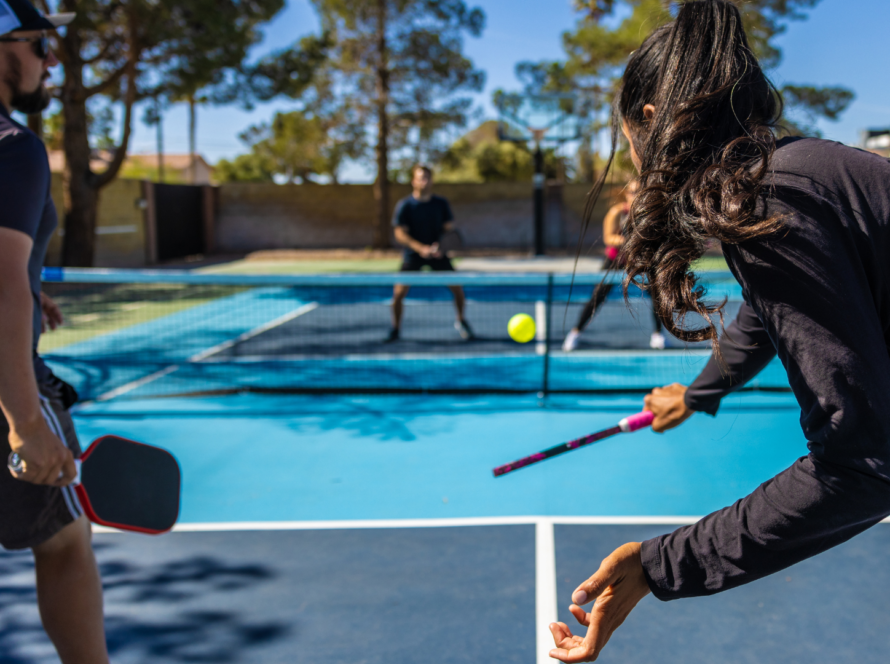
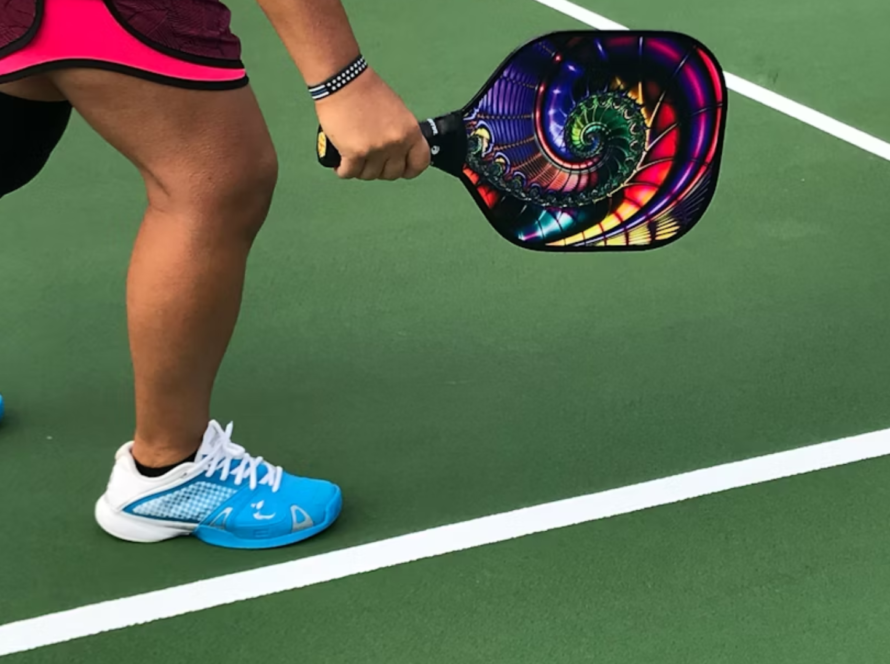
Pickleball is booming, and so are foot and ankle injuries. The fix isn’t flashy—it’s footwear. The right indoor pickleball shoes give you non-marking traction, side-to-side stability, and shock absorption that running shoes simply don’t deliver.
In this 2025 guide, you’ll learn what to look for in indoor court shoes, how indoor outsoles differ from outdoor pairs, the latest tech that matters (and what doesn’t), and our updated model short-list for every budget and foot type. If you’re a beginner or intermediate player who wants to move confidently and avoid injuries, start here.
Why indoor pickleball shoes matter (and why running shoes don’t)
Pickleball’s “stop-start” movement pattern is hard on feet and ankles. The sport packs in hundreds of short, sharp moves per hour.
What the science says:
- Players log roughly 150–300 lateral shuffles, split-steps, and lunges per hour; over 70% of movements are under 10 feet but demand abrupt deceleration [1].
- On wood or Taraflex-type floors, ground-reaction forces can spike to 3–4x body weight in the first 50 milliseconds of a hop-step—without proper cushioning, that stress shifts into your plantar fascia and knees [5].
- ER data show ankle sprains, plantar fasciitis flare-ups, and Achilles tendinitis make up about 52% of pickleball foot/ankle visits [4].
- A 2023 study estimates that proper court footwear cuts ankle-sprain incidence by 46% vs. running shoes in recreational players [3].
Bottom line: Even if you only play once a week, the cost of one moderate sprain ($450–$900) dwarfs the price of quality shoes. Indoors, choose shoes designed for quick lateral cuts, not forward-only running.
Indoor vs outdoor vs “all-court” outsoles: pick the right tread
Not all court shoes grip the same. The outsole compound and pattern are matched to the surface you play on.
Indoor outsoles (your best bet for gyms and rec centers)
- Non-marking gum or translucent rubber compounds
- Shallow herringbone or multidirectional tread for parquet, PE wood, and polymer tiles
- Softer rubber = awesome indoor grip, but it wears faster outdoors
Outdoor outsoles
- Harder carbon-rubber blends (e.g., AHAR+, DuraWrap)
- Deeper, more aggressive tread for acrylic or asphalt
- UV- and abrasion-resistant; usually squeak less on gym floors (often meaning less friction indoors)
All-court / hybrid outsoles
- Split-compounds: indoor-focused forefoot + outdoor-tough heel (e.g., HEAD Lateral Control, Babolat Michelin OC)
- Convenient if you bounce between surfaces, but indoor grip is usually a compromise
Important: Many rec centers require non-marking soles. Supervisors may check your outsole stamp or color on the spot.
The 2025 tech that actually helps on indoor courts
Skip the marketing noise; these features make real differences in grip, stability, and comfort:
- Supercritical EVA / nitrogen-infused foams (e.g., New Balance FuelCell, ASICS FF BLAST+): Lighter with higher energy return than standard EVA
- Pebax or PWR-TPU midfoot shanks: Keep the shoe torsionally rigid for safer lateral cuts
- 360° wrap uppers: One-piece mesh with TPU wings (Wilson 4D-Support, Nike ZwiftFrame) to secure the foot without hot spots
- Outrigger midsoles: Slightly flared sidewalls (Yonex Power Cushion, Tyrol Drive V) widen your base for instant stability
- Removable Ortholite X40 or Skechers Arch-Fit insoles: Easy to replace or swap in custom orthotics
- Sustainability wins: Adidas PRIMEGREEN, ASICS EarthLab, and other recycled/bio-based materials meet modern standards
Best indoor pickleball shoes 2025: editor’s short list
Prices are typical MSRPs; availability may vary by retailer.
Men’s / unisex performance
- Diadem Court Burst 2 (Nitrolite+ midsole) – $149: Soft, grippy indoor rubber with lively cushioning
- ASICS Gel-Resolution 9 GS (Dynawrap 2.0 update) – $140: Structured midfoot lockdown and proven durability
- Wilson Rush Pro 4.0 – $135: Balanced ride with strong lateral support for all-around play
Women’s-specific lasts
- K-Swiss Pickleball Supreme W 2025 – $125: Stable platform with a forgiving forefoot
- New Balance 996v5 FuelCell – $139: Energetic midsole and secure heel for quick split-steps
- Nike Zoom NXT Women’s – $145: Springy underfoot feel with supportive upper containment
Wide / high-volume feet
- Babolat SFX3+ (2E) – $120: Broad base and straight-last shape that won’t pinch bunions
- Brooks Method Court Wide – $118: Generous volume, easy to accommodate orthotics
Budget picks (under $100)
- HEAD Revolt Evo 2.0 – $89: Solid court traction and cushioning without the premium price
- FILA Volley Zone – $79: Entry-level indoor grip for casual players
- K-Swiss Express Light Pickleball – often on sale ~$89: Light, comfortable, and gym-friendly
Sustainability pick
- Adidas Barricade 2025 – $149: About 50% recycled content and vegan glue without sacrificing stability
Injury-prevention / support-focused
- SQAIRZ XRZ Ankle-Stabilizer – $139: Added ankle control for players returning from sprains
- Tyrol Striker Pro Rally – $130: Beveled heel and mild medial posting promote balanced landings
How to choose: a quick fit and sizing checklist
Get this right and the shoe will feel like part of your foot.
- Measure both feet at day’s end (feet can swell up to 8%).
- Leave a thumb-nail width of space at the big-toe tip when standing.
- Check medial-arch contact: if you have flat feet, avoid a “gap” over 5 mm.
- Do a 10-second single-leg hop; your heel shouldn’t lift more than 1 cm.
- Test shoes with the socks you’ll actually play in (synthetic quarter-crew is ideal).
- If you use orthotics, remove the factory insole; the orthotic must sit flush.
- Use a heel-lock/runner’s knot to fix heel slippage instantly.
Pro tip: Women with bunions often prefer “straight-last” models like the Babolat SFX3 and New Balance 806 because the big-toe side doesn’t taper aggressively.
Complementary gear that makes good shoes even better
- Performance socks: Thorlo Experia Pickleball, Wrightsock Double-Layer, Swiftwick MAXUS
- Orthotics/inserts: Superfeet CARBON Pro-Court (low profile) or VKTRY Performance Insoles (carbon spring for explosive push-offs)
- Ankle braces: Zamst A2-DX or McDavid 5110 if you’re recovering from a sprain or want extra confidence
Care, rotation, and replacement
Treat your footwear like equipment, not apparel.
- Replace every 60–70 on-court hours or when the tread loses about 50% of its depth
- Rotate two pairs if you play 3+ times per week—foam rebounds more fully with 24 hours of rest
- Hand wash uppers with mild soap; never machine-dry (heat can de-laminate glues)
- Store with cedar shoe trees or newspaper to absorb moisture and control odor
The economics: shoes vs. medical bills
Numbers you can feel in your wallet:
- Premium indoor shoes: $120–$150; life expectancy ~7–12 months for a 2x/week player
- Moderate ankle sprain: $330 ER + $65 x-ray + 4 PT sessions ($480) = ~$875
Even if a quality pair prevents only one injury every five years, the return on investment is roughly 400%. In other words: the cheapest insurance policy you can buy for pickleball is the right shoe.
FAQ: Indoor pickleball shoes
Q: Can I use volleyball shoes for indoor pickleball?
A: Yes, both sports share similar gym flooring. Look for models with lateral outriggers and torsional shanks (e.g., Mizuno Wave Momentum 3) for safer side-to-side cuts.
Q: Are indoor pickleball shoes non-slip enough for seniors?
A: Senior clinics favor softer indoor rubber and a lower heel-to-toe drop (<8 mm) for stability. The Diadem Court Burst series is a solid place to start. Always test grip on your actual court surface.
Q: Are minimalist or barefoot shoes okay for pickleball?
A: Not recommended. Lab testing shows about a 2.1x increase in forefoot plantar pressure vs. cushioned court shoes, which can irritate the plantar fascia over time.
Q: How do I know if I need indoor vs. outdoor shoes?
A: If you mostly play on wood, PE flooring, or gym tiles, go indoor. If you’re on acrylic or asphalt, go outdoor. If you split time between both, an all-court outsole can work—but pure indoor grip will be better on a true indoor model.
Q: How often should I replace my indoor shoes?
A: Every 60–70 hours of play, or sooner if the tread is half worn, the cushion feels “dead,” or your knees/heels ache more after sessions.
Final thoughts and next steps
If you remember three pillars, you’ll choose well: non-marking traction, lateral stability, and shock attenuation. Pick an indoor outsole for gym floors, follow the fit checklist, and rotate pairs if you play often. Your feet, ankles, and knees will thank you.
Ready to upgrade? Start with two or three candidates from the short list, test them in your match socks, and use heel-lock lacing before you decide. And don’t forget to check your rec center’s “non-marking only” policy before you roll onto the court.